Nov 19, 2026
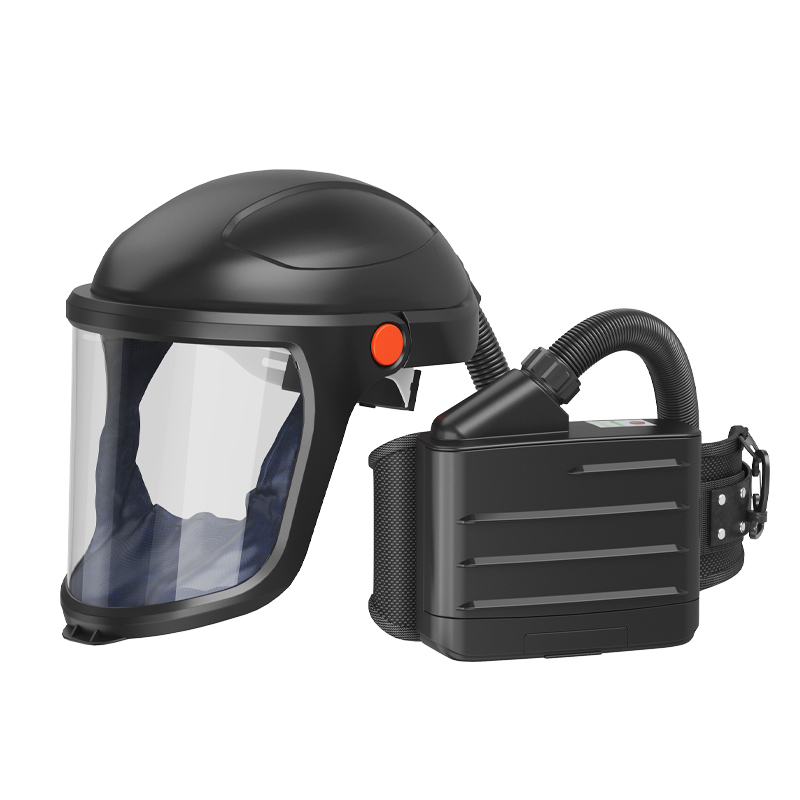
The packaging, plastic and rubber industry covers a wide range of processes, from raw material compounding and modification extrusion to finished product grinding, cutting and lamination. Powders and fine debris are persistent occupational hazards in these workshops. Color masterbatch, inorganic fillers, glass fibers and plastic dust remain suspended in the air, creating long-term respiratory risks for operators. Many factories rely on disposable respirators, yet extended wear often leads to heat stress, breathing difficulty and fogged eyewear. These discomforts frequently cause workers to remove their PPE voluntarily, which undermines protection. Pressure demand respirator (PAPRs), with active filtered airflow, serve as a practical alternative for these workstations.
Plastic raw materials vary greatly in hazard potential, and dust explosion assessment is one of the most common pitfalls. Many safety managers assume all plastic dust creates an explosion hazard, but this is not the case. Ultra-fine PE and PP powders, together with certain foaming additives, are combustible. In confined crushing and high-speed mixing stations, dust clouds can reach explosive concentrations, and only explosion-certified industrial papr power systems may be used here. Materials such as PVC and heavy calcium filler carry minimal explosion risk and can be managed under standard dust conditions after proper hazard assessment. This risk classification is a mandatory first step before equipment selection.
Most packaging and post-processing rubber and plastic workstations operate under normal ambient conditions, with risks limited to particulate inhalation. Processes including plastic part grinding, packaging material cutting, standard filler dispensing and sheet lamination have no high concentrations of combustible dust or flammable solvent vapours, so explosion-proof PAPRs are unnecessary. In these settings, PAPRs deliver a key advantage: reduced breathing load. Compared with negative-pressure respirators, continuous supplied airflow lessens fatigue during long shifts. They also avoid fit-test barriers caused by facial hair or glasses, accommodating a diverse workforce.
Plastic dust tends to be sticky, which brings unique maintenance requirements for industrial papr powered respirator. Unlike wood or mineral dust, plastic shavings and color powder adhere firmly to filter media and cannot easily fall away. This accelerates filter clogging and reduces airflow over time. Without regular inspection routines, insufficient airflow allows contaminated ambient air to penetrate inward, weakening protection. Adopting PAPRs means more than purchasing hardware; facilities must implement scheduled airflow checks, filter replacement schedules and equipment cleaning protocols to maintain consistent protection performance.
Beyond explosion zoning and filter maintenance, ongoing hazard reviews are required when production processes change. If a line adds spraying operations, switches to combustible feedstock or adopts enclosed material feeding, the risk profile may shift. Standard PAPRs that were previously suitable may no longer comply with safety requirements.
NEW AIR focuses on PAPRs, delivering tailored respiratory protection solutions for different working conditions .If you want know more, please click www.newairsafety.com.
Read More




 IPv6 network supported