Oct 26, 2026
Many buyers and frontline workers in welding and grinding industries often confuse P3 filters with FFP3 respirators. Both are high-level particulate protection solutions under European norms and block hazards such as welding fume and crystalline silica dust. However, they fall under two separate EU standards, with major differences in working principle, compatible equipment and application scenarios — and they cannot be treated as direct substitutes.
FFP3 is governed by EN149, the standard for disposable negative-pressure filtering half masks. Breathing relies on the wearer’s own inhalation to draw air through the filter media. It achieves a minimum filtration efficiency of 99% against both oil-based and non-oil aerosols. A key limitation of FFP3 is the requirement for a tight face seal. Beards or uneven facial contours can easily cause inward leakage. It also creates high breathing resistance during extended wear, which leads to fatigue and discomfort for welders, making it more suitable for short-duration exposure in moderately contaminated environments.
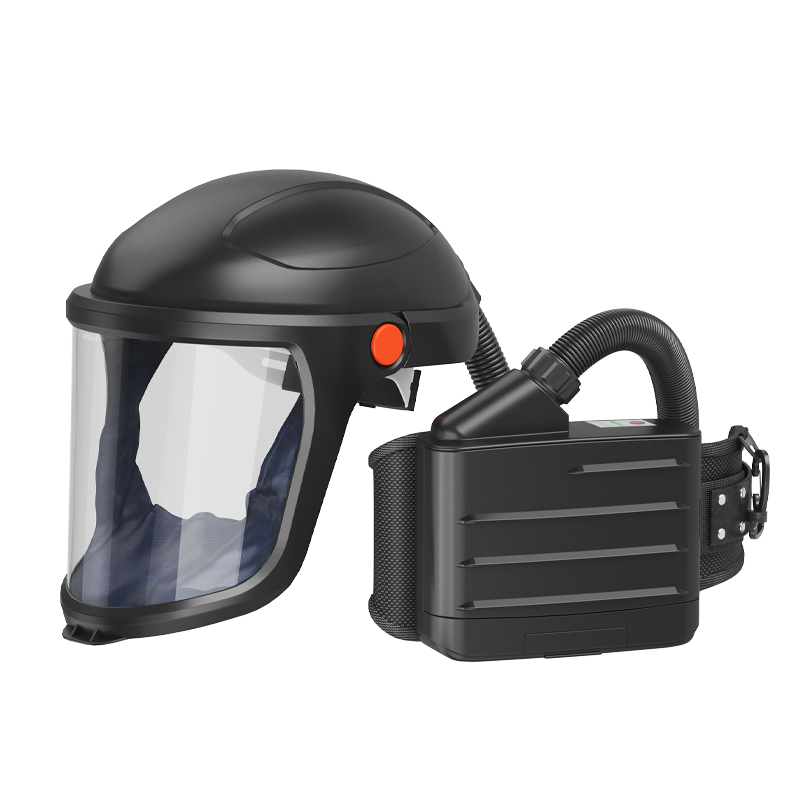
The P3 filter complies with EN143 and is a replaceable filter cartridge. It is designed for reusable half masks, full-face masks and Powered Air-Purifying Respirators (PAPRs). A P3 filter delivers a minimum filtration efficiency of 99.95%, a higher performance threshold than FFP3. When fitted to papr units, the built-in blower supplies forced airflow and maintains constant positive pressure inside the headtop. A perfect tight facial seal is no longer mandatory, even with loose-fitting welding helmets. This drastically reduces breathing strain, ideal for welders working long continuous shifts.
They also differ significantly in assigned protection factor, service life and operating cost. Standard FFP3 masks are single-use and discarded once loaded with contaminants, with a typical assigned protection factor (APF) of 20. P3 filter cartridges are replaceable consumables paired with a reusable papr device main unit. When used with a sealed headtop, they offer a much higher protection margin for high-risk environments with heavy welding fumes or carcinogenic dust, often delivering better long-term value.
Site hazard assessment should guide your selection. FFP3 is a lightweight option for occasional, short-term dust exposure with low contaminant levels. For welding, blasting, prolonged grinding and other heavy dust applications, a battery powered fresh air respirator system equipped with P3 filtration is widely preferred. It balances reliable protection, wearer comfort and all-day usability, and is the compliance choice for occupational health programmes at many overseas manufacturing facilities.
NEW AIR specialises in Powered Air-Purifying Respirators. Our PAPR systems come with EN143-certified P3 filters, engineered specifically for welding fume with optimised dust holding capacity and low airflow resistance. We continuously refine our products to meet regional occupational safety standards worldwide, delivering dependable positive-pressure respiratory protection and safeguarding the breathing health of frontline welders.If you want know more, please click www.newairsafety.com.
Read More




 IPv6 network supported