Leave A Message
If you are interested in our products and want to know more details,please leave a message here,we will reply you as soon as we can.
In high-risk work environments such as industrial operations, fire rescue and disinfection tasks, respiratory protective equipment is critical to safeguarding workers’ lives. powered face shield respirator (PAPR) and Self-Contained Breathing Apparatus (SCBA) are two of the most widely used professional protective devices. Many industry practitioners tend to confuse their applicable scenarios and protection capabilities. In fact, they differ greatly in working principles, protection levels and operating conditions. A clear understanding of their differences helps companies and workers select the right equipment, ensuring safety while improving work efficiency and controlling protection costs.
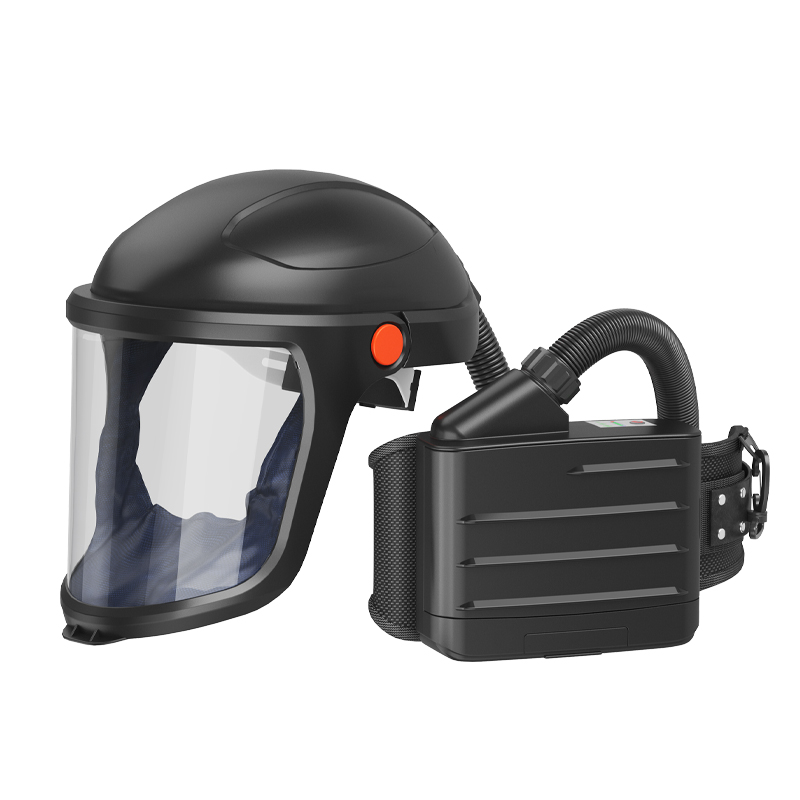
The fundamental distinction between PAPR and SCBA lies in their operating principles and air supply methods. Powered air purifying respirator is an air-purifying respirator. Its built-in electric fan actively draws ambient air and filters out contaminants such as dust, organic vapors and aerosols through multi-layer filter cartridges, then delivers clean air to the facepiece or hood. It relies entirely on the surrounding atmosphere. SCBA, by contrast, is an atmosphere-supplying respirator. It does not depend on outside air. Clean breathing air is supplied from a high-pressure compressed air cylinder worn on the back. The wearer breathes air from the self-contained tank, fully isolated from contaminated ambient air.
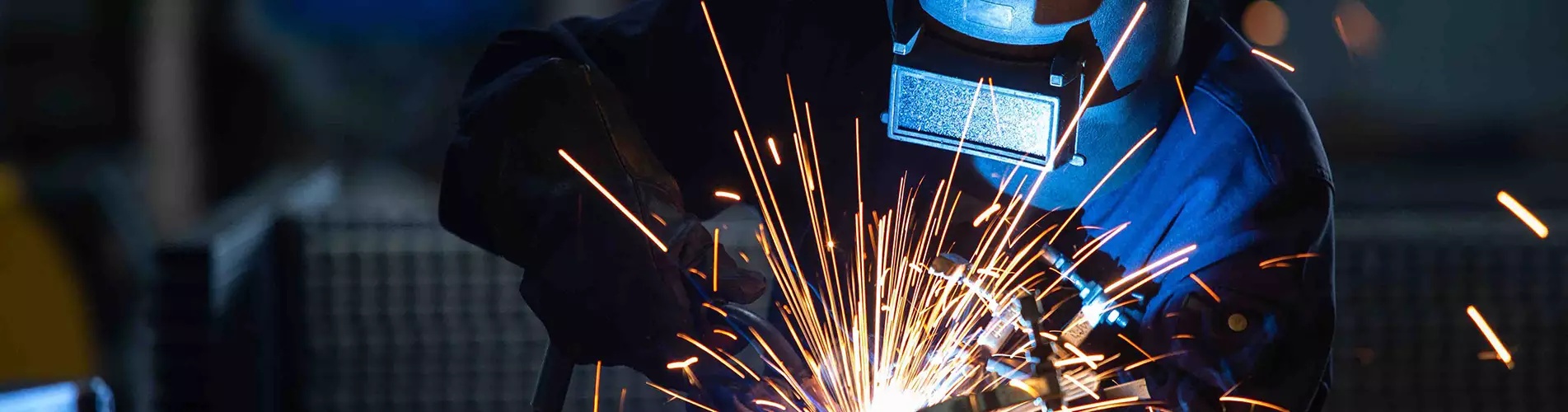
Protection performance and suitable applications form the core criteria for equipment selection. SCBA delivers the highest level of protection, far exceeding PAPR. It can be used in IDLH (Immediately Dangerous to Life or Health) atmospheres, oxygen-deficient environments, high-concentration toxic gas leaks and unknown hazardous air conditions. It is standard equipment for fire fighting, chemical spill response and confined space rescue. However, its limitation is air capacity. Typical cylinders only support 30 to 90 minutes of operation, making it unsuitable for extended continuous work. PAPR offers moderate protection and is only used when ambient oxygen levels are sufficient and contaminant concentrations are controlled. Common use cases include industrial grinding, spray painting, welding and routine disinfection. While it cannot handle oxygen-poor or highly toxic emergency scenarios, it enables long-duration work as long as the battery remains charged and filters are intact.
When it comes to wearer comfort, equipment weight and running costs, these two devices also show obvious gaps. SCBA is fitted with a high-pressure cylinder and pressure reducing components, making it bulky and heavy. The backpack design restricts body movement, and users easily get fatigued after prolonged wear. Cylinder refilling, annual inspections and maintenance also add up to high operating costs, with relatively complex operation procedures. PAPR adopts a lightweight modular design, most available in waist-mounted or slim backpack formats. The forced air circulation keeps the hood ventilated and reduces heat buildup, lowering operator fatigue. There is no need for air refilling; users only replace filters periodically. Simple maintenance and lower recurring costs make PAPR ideal for regular, long-hour industrial work.
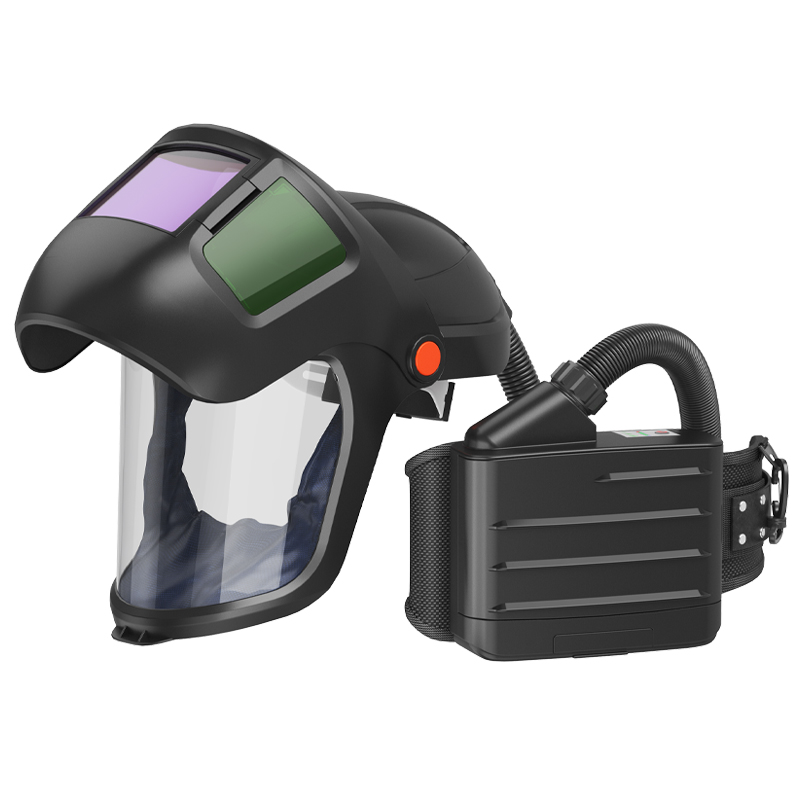
Overall, PAPR and SCBA are not substitutes for each other. Instead, they complement one another for different protection requirements. As a simple rule of thumb: SCBA must be deployed for high-risk, oxygen-deficient and unknown hazard emergency rescue operations to guarantee absolute safety. PAPR is preferred for regular industrial dust and vapor exposure where long continuous working time is needed, balancing protection and practicality. Most enterprises maintain both types of equipment in their safety setup, building a full respiratory protection system covering daily operations and emergency response to mitigate workplace hazards.
NEW AIR is a professional safety gear brand focusing on the research, development and manufacturing of PAPR solutions for respiratory protection. The brand addresses common pain points in industrial respiratory safety, offering a lineup of lightweight, well-adapted powered air-purifying respirators. Its core models including BXH-3001, BXH-3002 and BXH-3003 feature a modular filter structure, which can protect users against industrial dust, welding fumes, paint organic vapors and other pollutants. With reliable engineering and product quality, It delivers cost-effective, professional respiratory protection solutions for industrial enterprises and stands as a trusted choice for routine industrial respiratory protection.If you want know more, please click www.newairsafety.com.



 IPv6 network supported