



PAPR
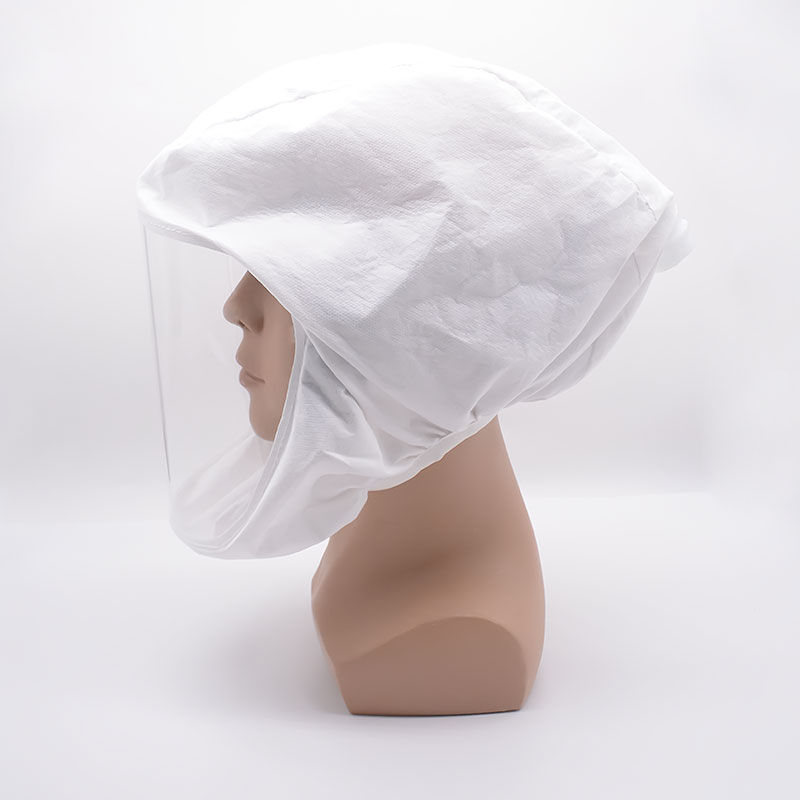
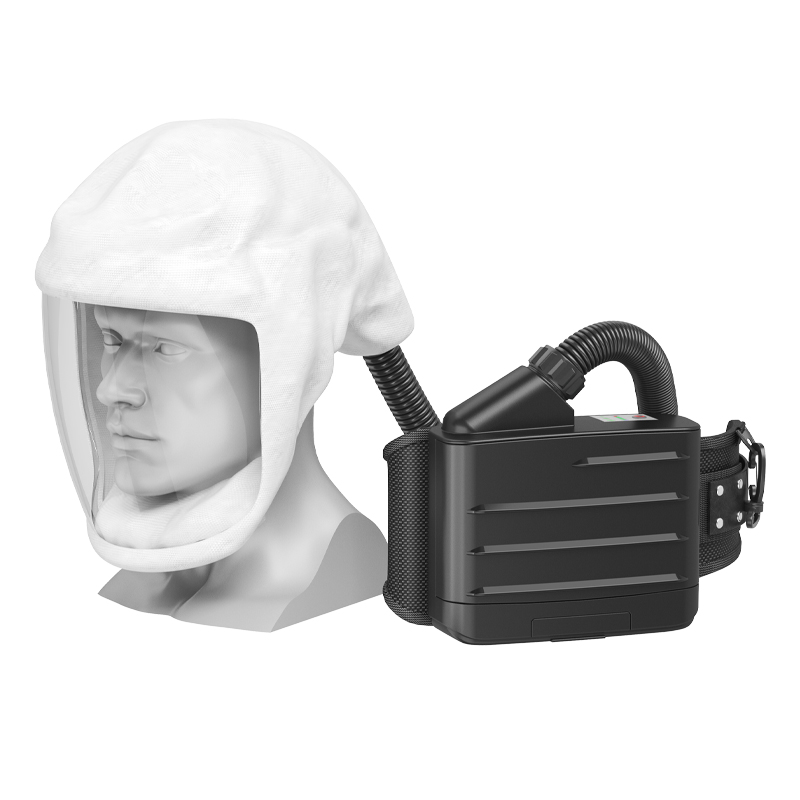
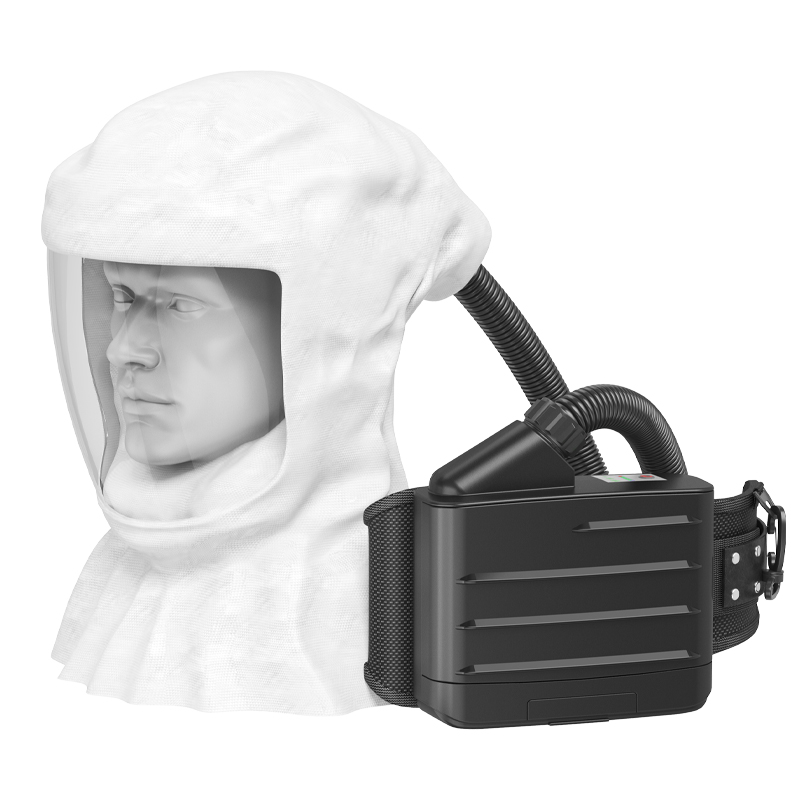
Loose-fitting PAPR hoods Primair Losse Fitting Head Cover A Loose-fitting TH3 Hood for powered air systems
Read More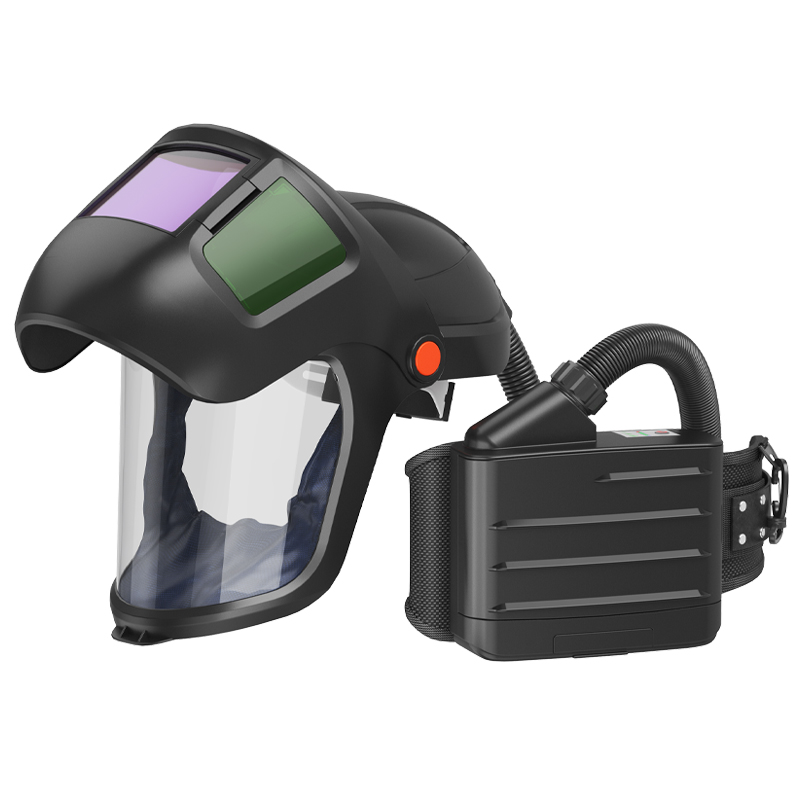
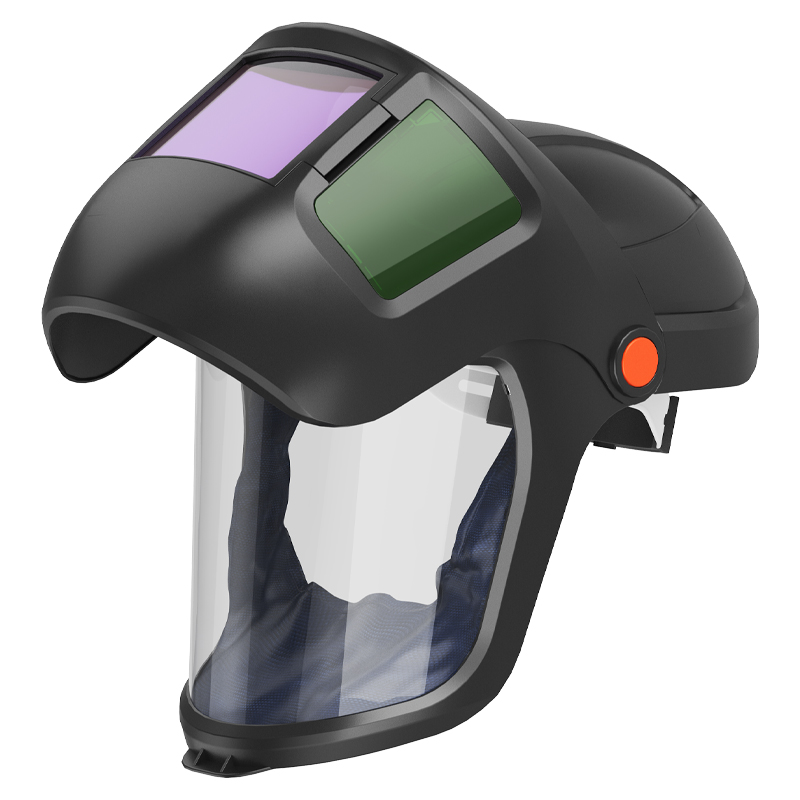
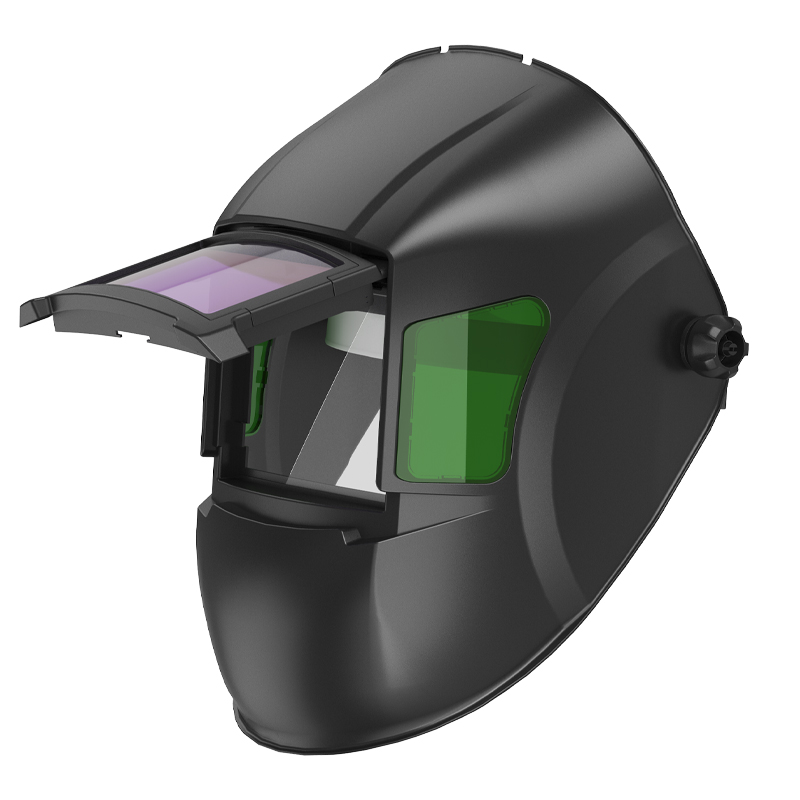
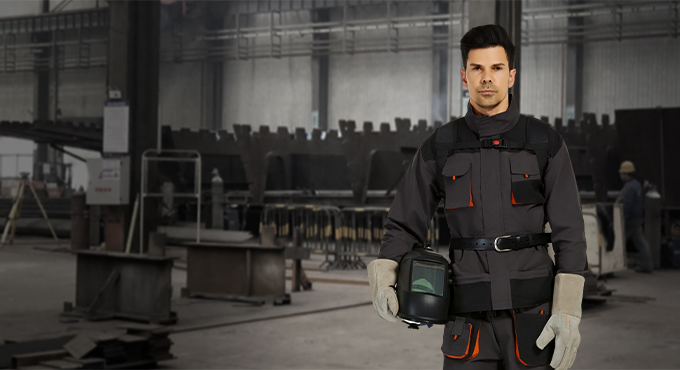
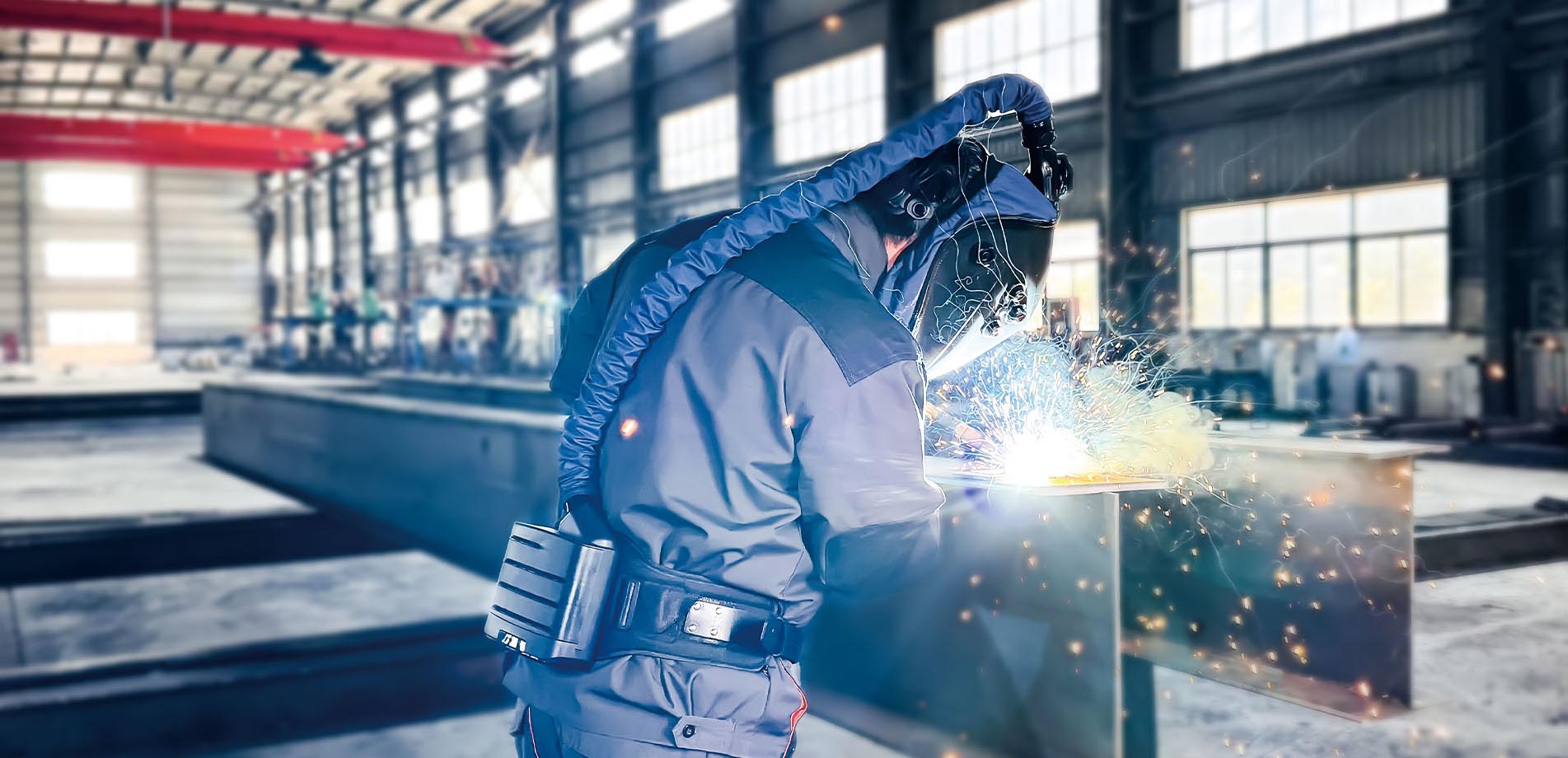
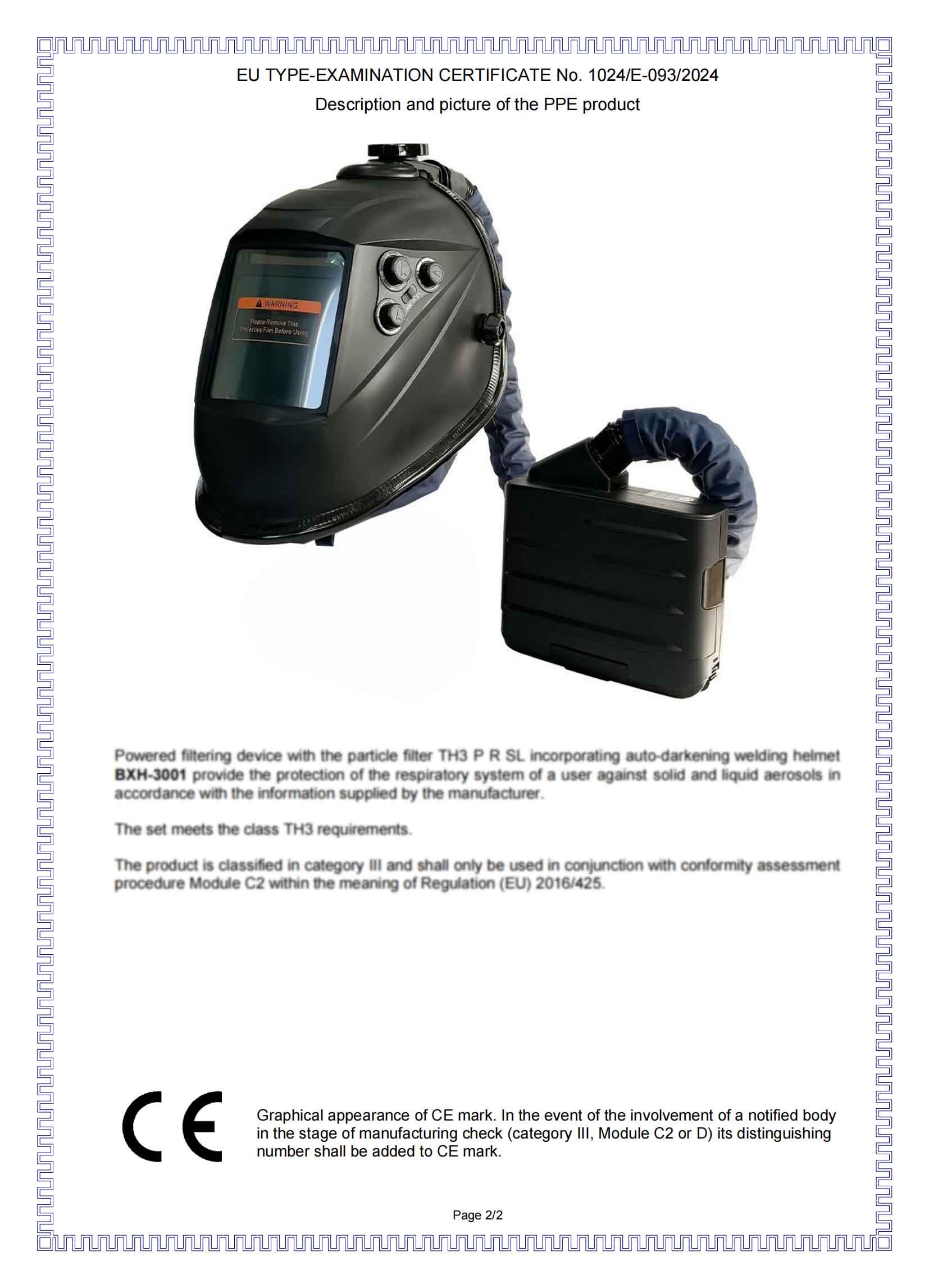
This advanced flip-up welding helmet features an auto-darkening lens for optimal eye protection and visibility during welding tasks. Integrated with a PAPR system compliant with EN12941 TH3PRSL standards, it provides a high level of respiratory protection, ensuring safety and comfort in demanding work environments.
Read More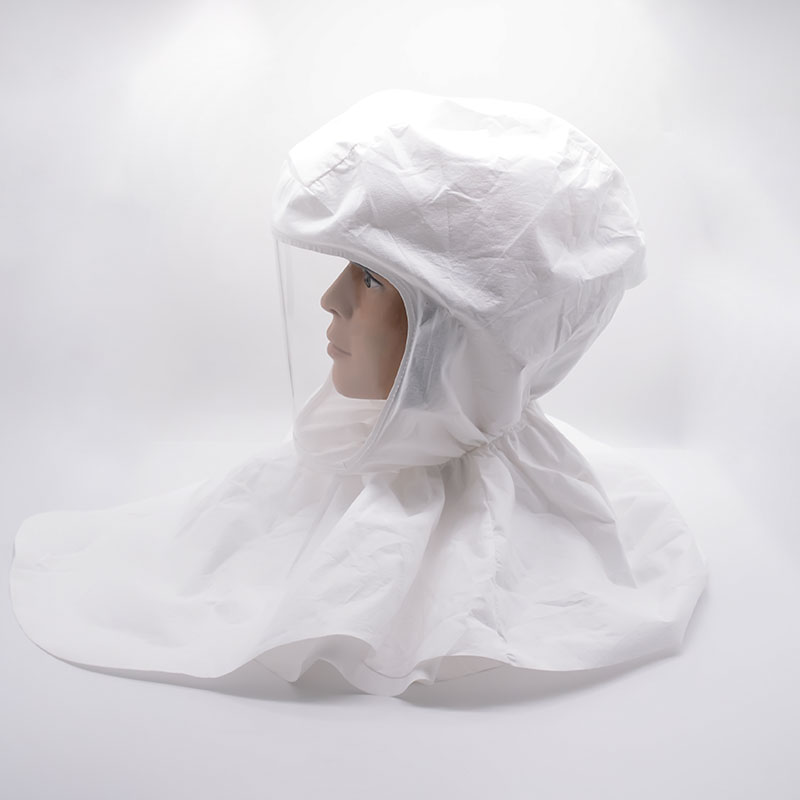
Loose-fitting PAPR hoods Primair Losse Fitting Head Cover A Loose-fitting TH3 Hood for powered air systems
Read More
29+,0000
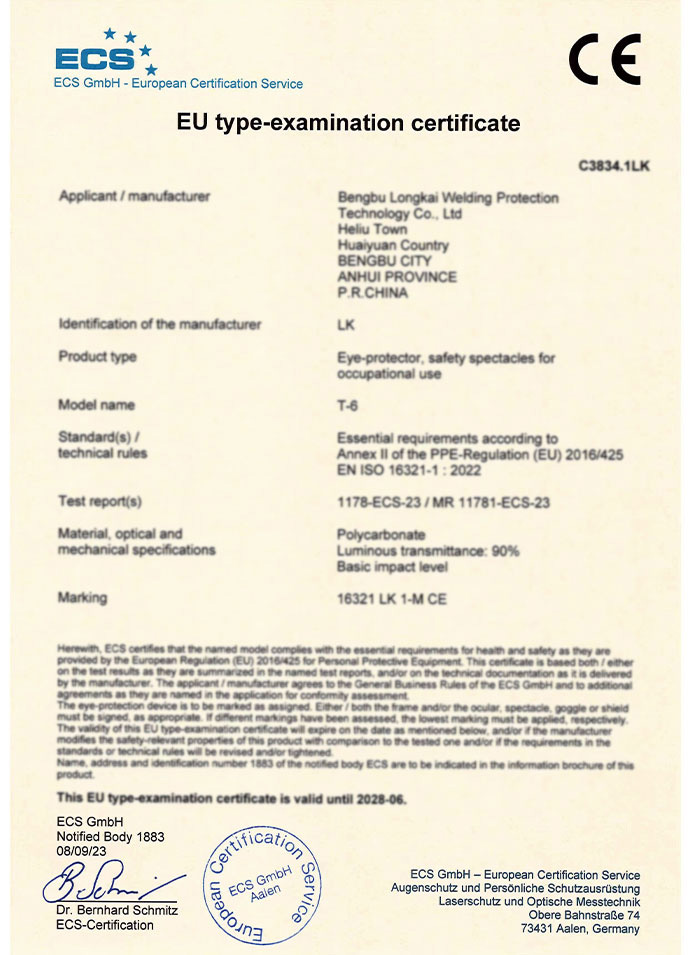
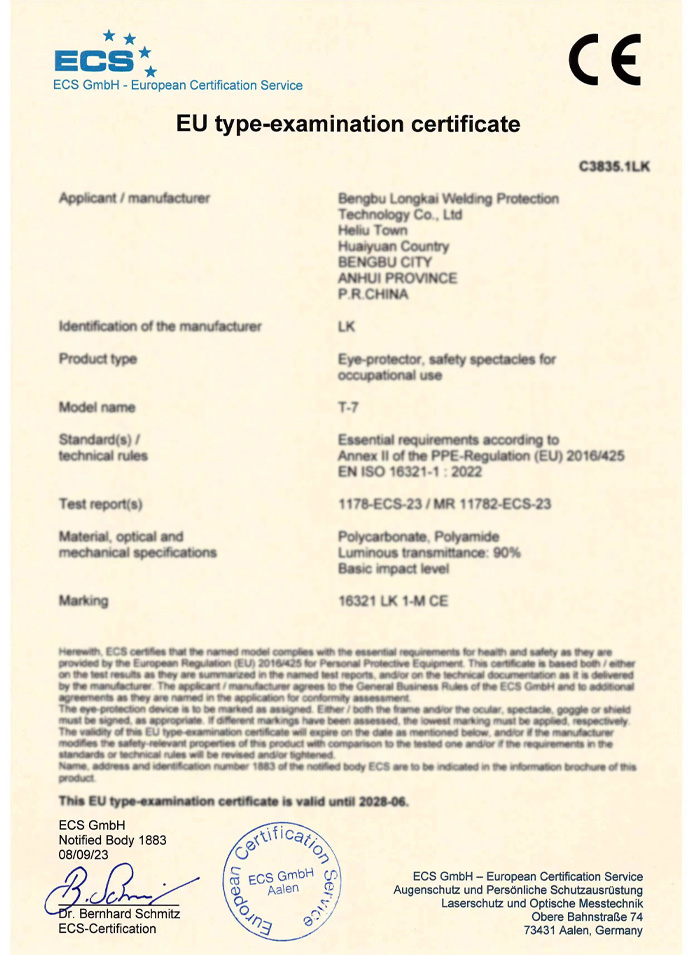
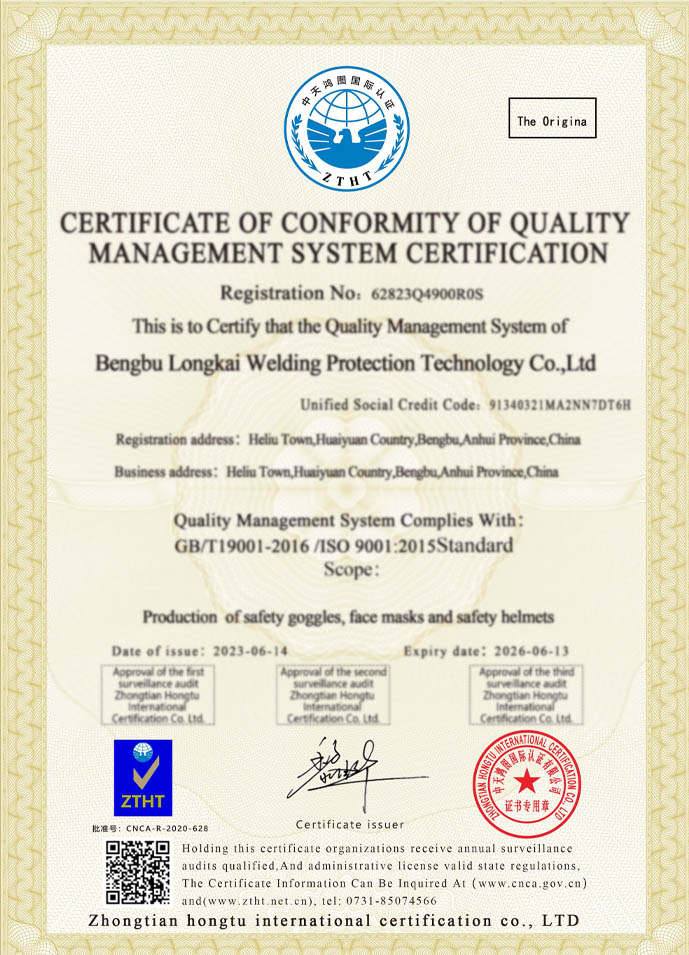
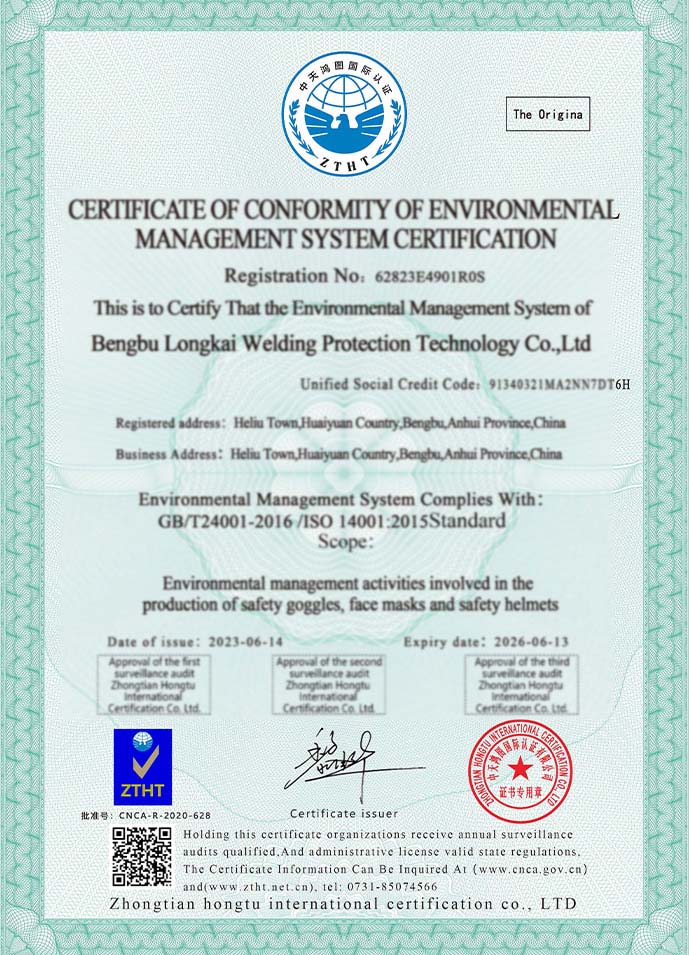
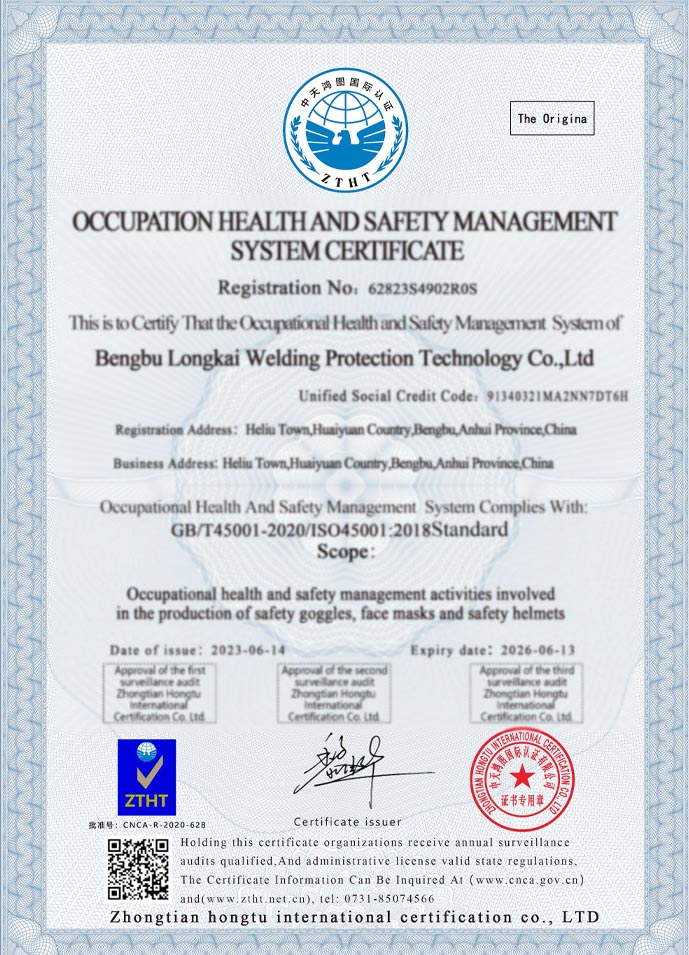
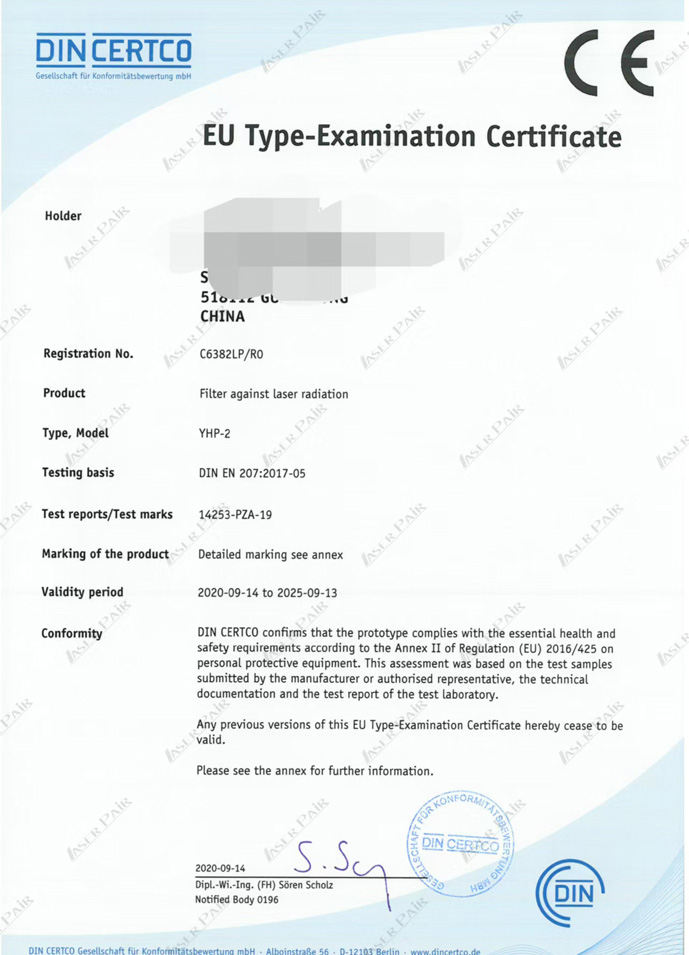

Empolyees in Factory

Countries and Regions Sold.

Factory Area (㎡).

Years of Market Experience.
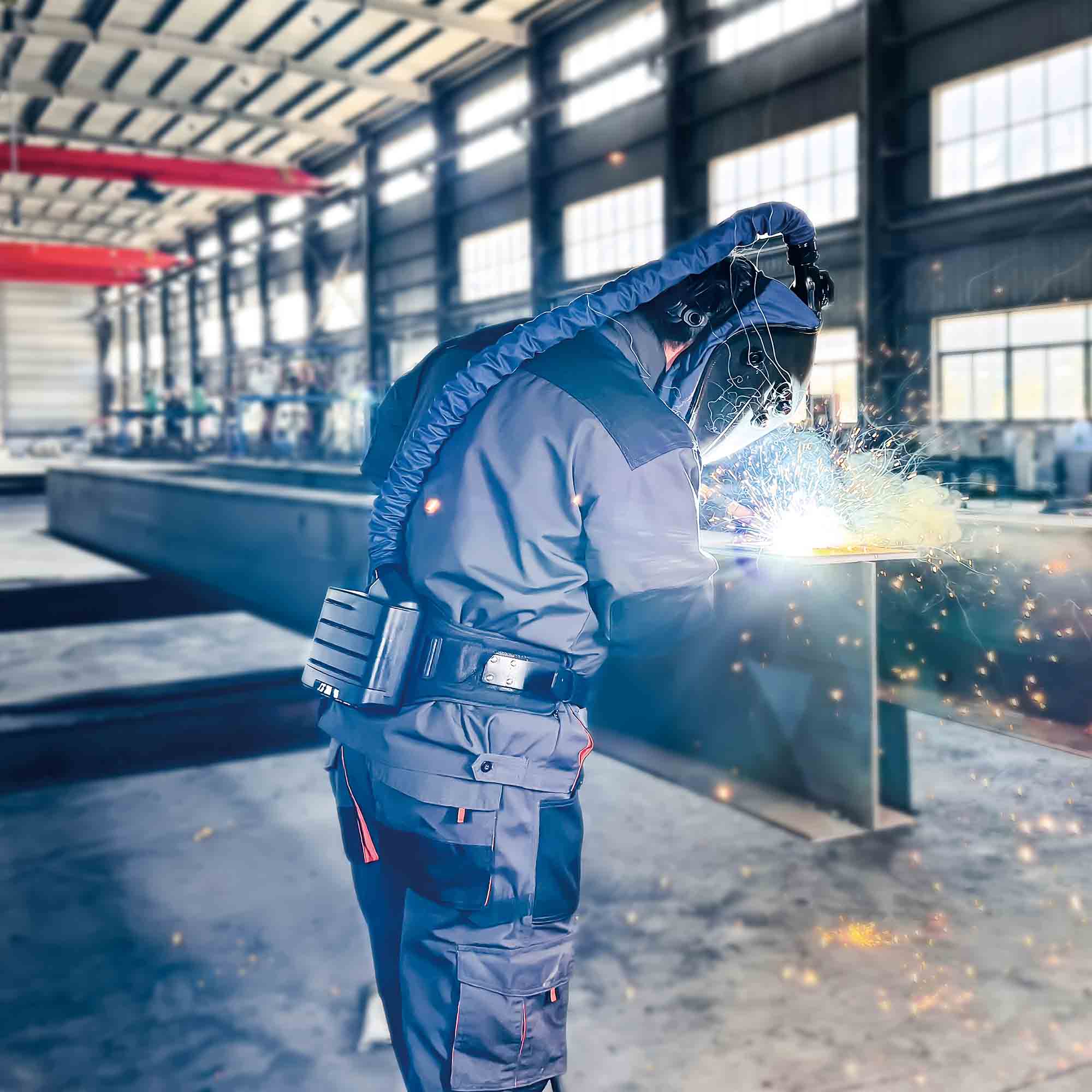
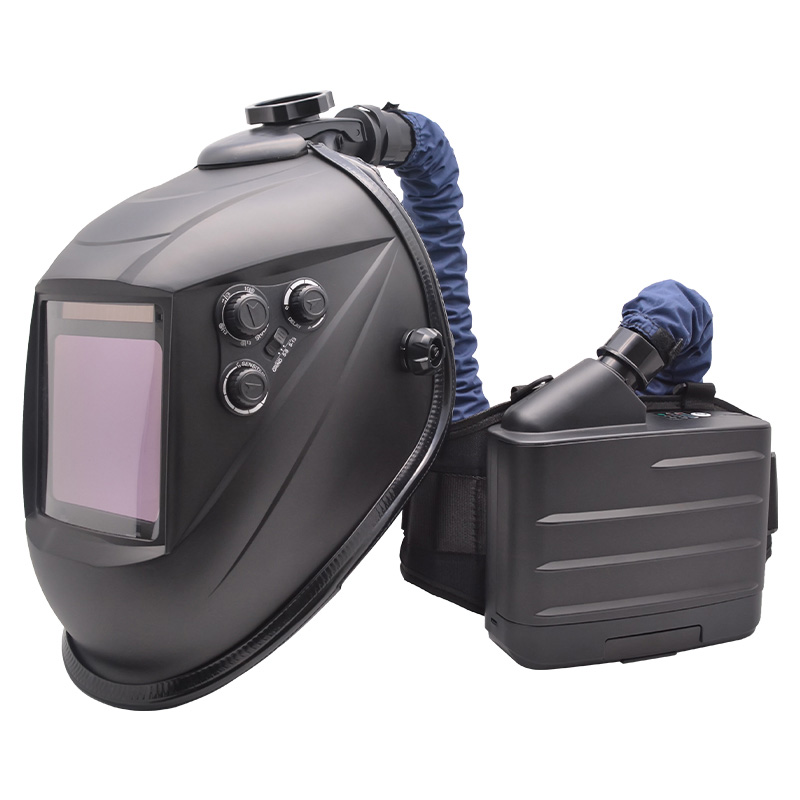
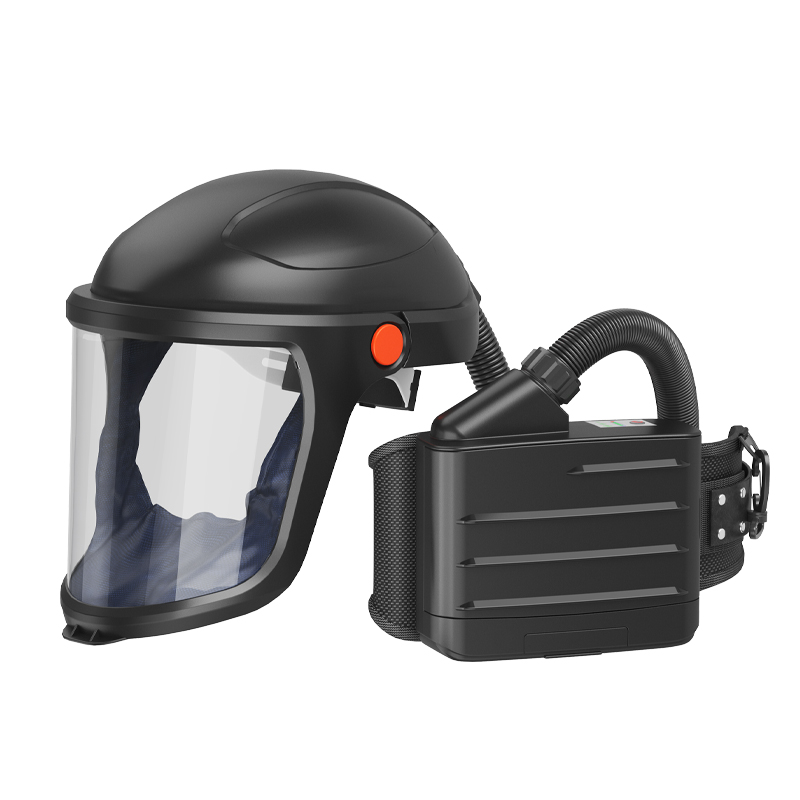
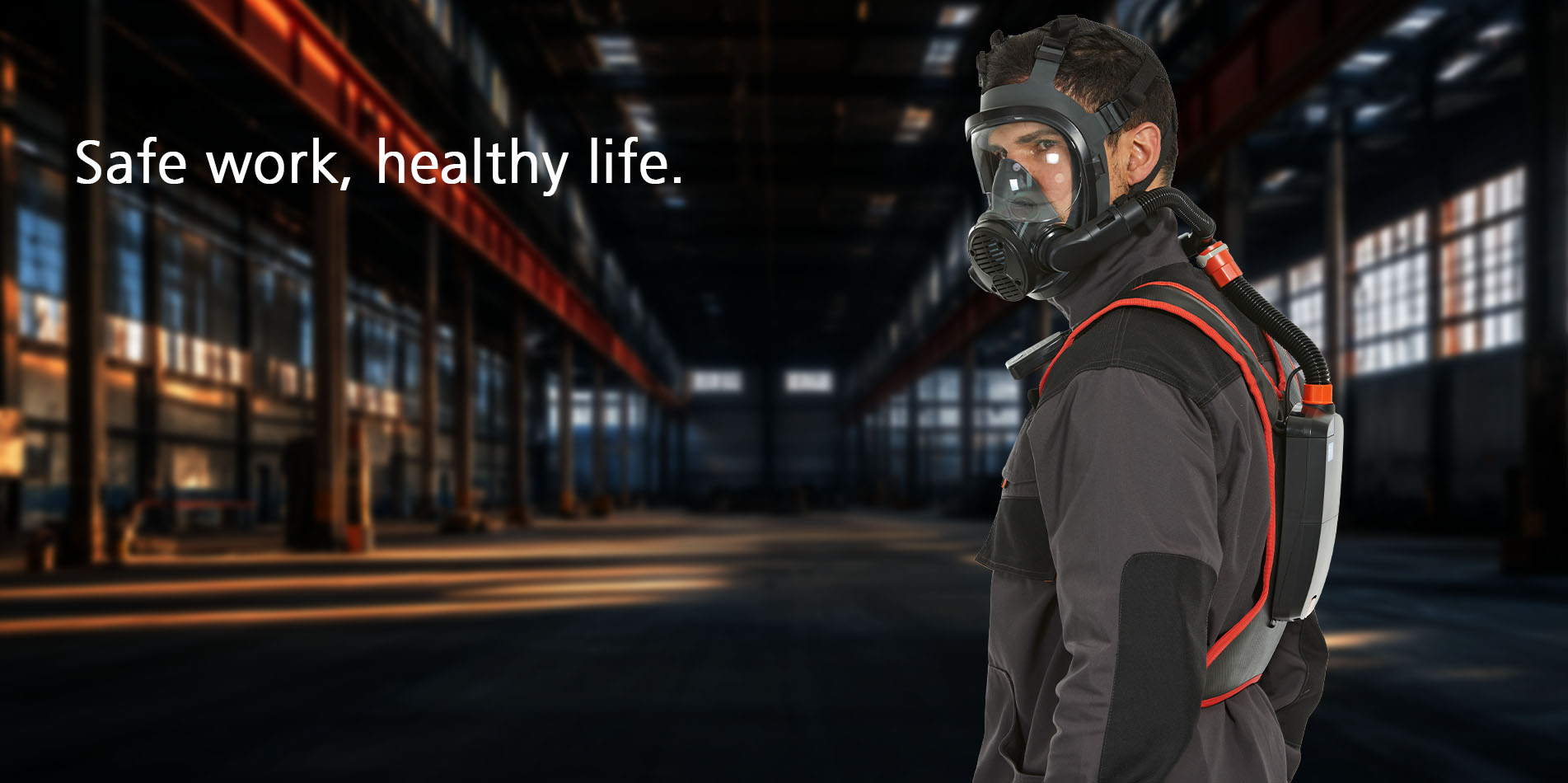
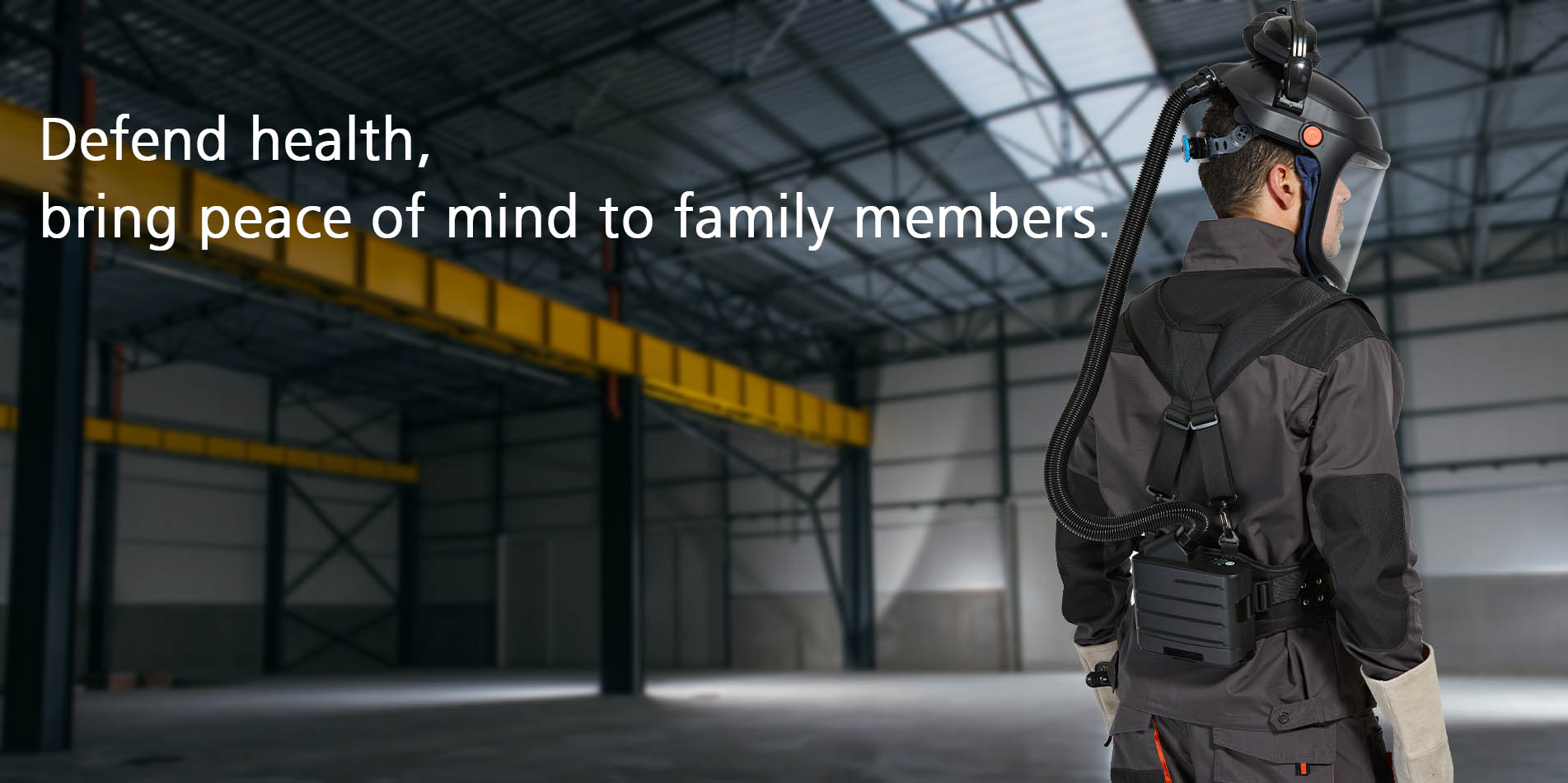
The application of PAPR (Powered Air-Purifying Respirator) in the welding industry is mainly for respiratory protection, providing clean air for welders to ensure their health, while improving work comfort and convenience. Firstly, our PAPR is very lightweight, including standard battery the weight is just 820g. - Providing respiratory protection: A large amount of fumes and harmful gases are generated during welding, such as metal oxide dust like iron oxide and manganese oxide, as well as carbon monoxide and nitrogen oxides. PAPR draws in external air through an electric fan, filters it through a filter, and supplies positive-pressure clean air into the mask, preventing external polluted air from entering and effectively protecting the welder's respiratory system from inhaling these harmful substances. HEPA filter TH3 grade, filter efficiency 99.97%. - Enhancing wearing comfort: The PAPR system is relatively light in weight and adjustable. Workers can configure it as a waist belt or carry it on their backs with a four-point safety belt. The air supply from the fan makes breathing easier, reducing fatigue for welders. Compared with traditional self-contained breathing apparatus, it is less tiring even when worn for a long time. our PAPR can connect different Helmet by our multi-functional connector. - Optimizing visual clarity: PAPR can usually be used with welding helmets. The full-face mask design offers a wide field of view, and the positive-pressure air can prevent the mask from fogging, allowing welders to observe the welding area more clearly, which helps improve welding quality and work efficiency. - Adapting to various scenarios: The air flow rate of the PAPR system can be adjusted to suit different welding processes and working environments.Air flow of Level 1: 170L/Min, Level 2: 210L/Min. Intelligent consistant air flow, the turbo speed will automatcially increase when the resistance of the filter increases.
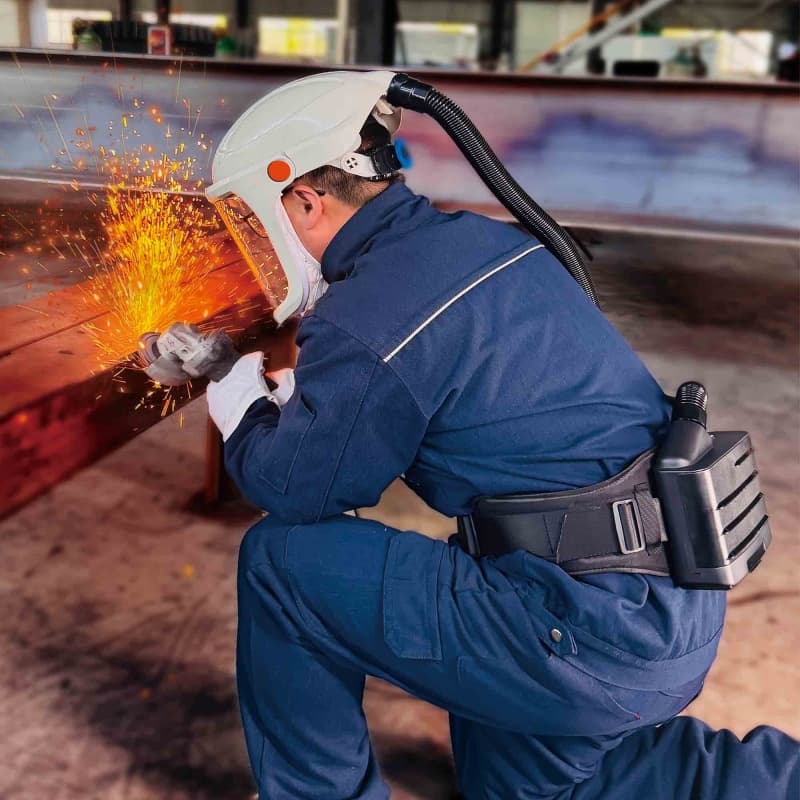
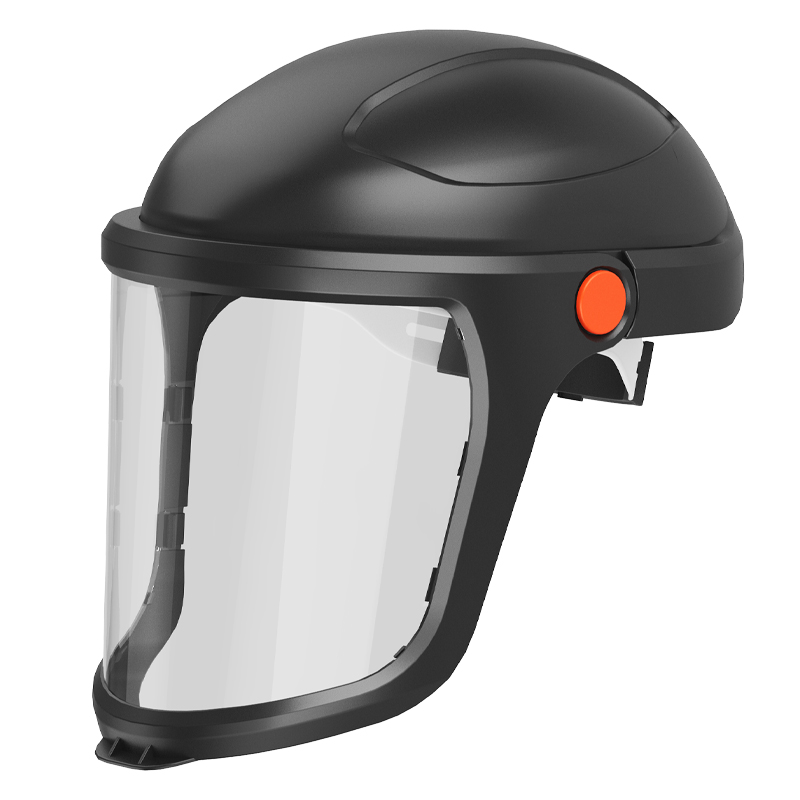
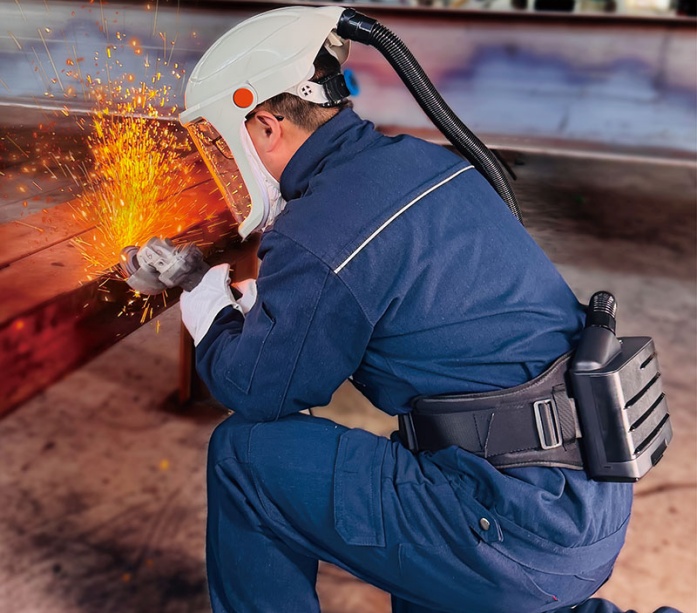
In grinding operations, PAPR (Powered Air-Purifying Respirator) provides effective respiratory protection by addressing the high concentration of dust, debris, and potentially harmful particles generated. Here are its key solutions: - Targeted particle filtration: Grinding produces a large amount of fine dust (such as metal, wood, or stone particles) and aerosols. PAPR uses high-efficiency filters TH3 HEPA filter to capture these particles. The system’s positive pressure prevents unfiltered air from entering the mask, ensuring the wearer breathes clean air. - Adaptation to harsh environments: Grinding often involves high levels of dust and may be accompanied by vibration or movement. PAPR’s durable design (e.g., rugged filters and sealed masks) resists clogging and maintains performance. Adjustable airflow rates (typically 100–250 L/min) compensate for increased filter resistance as dust accumulates, ensuring consistent protection. - Comfort for extended use: Grinding tasks are often lengthy, and PAPR’s lightweight, ergonomic design (e.g., waist-mounted or backpack fans) reduces neck and shoulder strain. The continuous airflow minimizes heat and moisture buildup inside the mask, enhancing comfort during long shifts. - Integration with work gear: PAPR can be paired with our grinding headtops, to provide combined respiratory and facial protection. This integration ensures unobstructed movement while maintaining a secure seal against dust. - Simplified maintenance: Many PAPR models feature filter change indicators, alerting users when filters are clogged (due to increased resistance). This ensures timely replacement, maintaining optimal airflow and protection efficiency in grinding environments where dust accumulation is rapid.
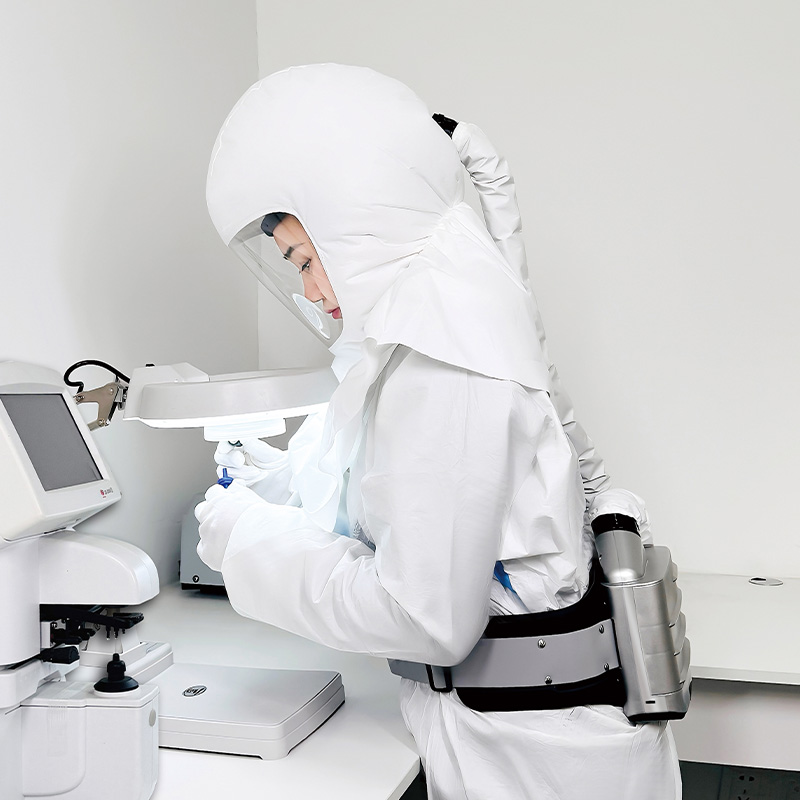
Powered Air Purifying Respirators(PAPR) system BXH-3001-4 With Non-woven Hood It will offer critical respiratory protection in healthcare settings through the following solutions: - Enhanced Respiratory Protection: PAPRs use a battery-powered blower to draw air through filters (e.g., HEPA, N95-equivalent) and deliver clean, positive-pressure air to the user’s breathing zone, reducing exposure to airborne pathogens (e.g., viruses, bacteria), aerosols, and hazardous particles during high-risk procedures like intubation or aerosol-generating operations. - Comfort and Compliance: The positive-pressure design minimizes breathing resistance, making long-duration wear more tolerable for healthcare workers. This improves compliance with infection control protocols, especially during extended shifts. - Versatility in High-Risk Environments: Suitable for various clinical scenarios, including isolation wards, emergency departments, and surgical suites, where protection against both known and emerging airborne threats is essential. - Reduced Fogging and Communication Barriers: Many PAPR models feature clear face shields or hoods that reduce lens fogging, enhancing visibility. They also often include built-in communication aids, facilitating better interaction between healthcare providers and patients. - Reusability with Proper Decontamination: Designed for repeated use when paired with appropriate cleaning and disinfection protocols, PAPRs offer a cost-effective alternative to single-use respirators in resource-constrained settings.
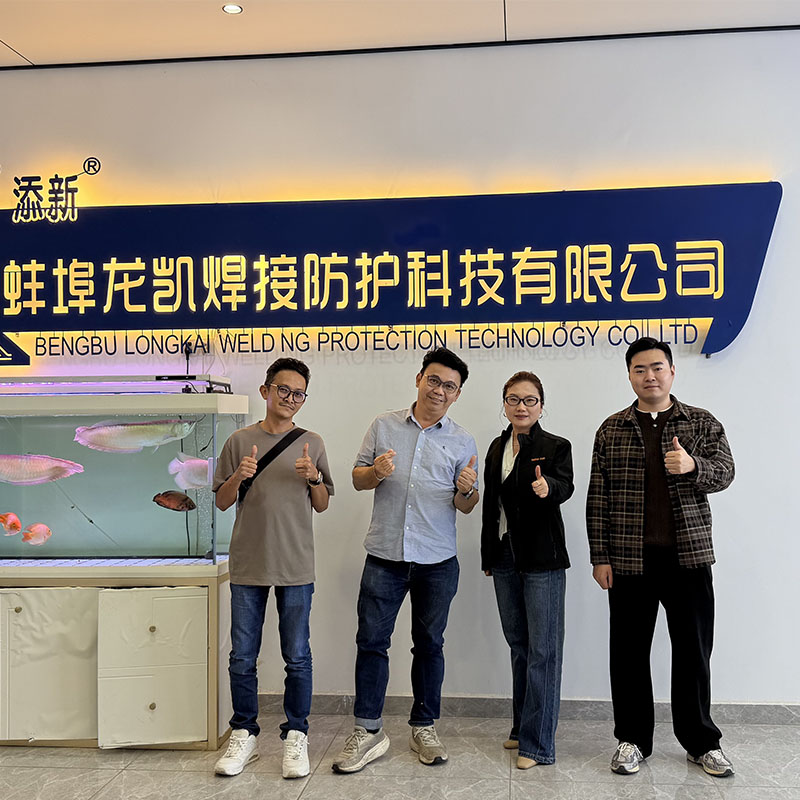
While the NEW AIR team attended FABTECH in the United States to expand its North American footprint, the company’s domestic factory welcomed an important overseas guest. A client from Malaysia paid an on-site visit to NEW AIR. The two parties held in-depth business discussions focused on the brand’s positive pressure welding helmet product line and explored opportunities for long-term cooperation. The Malaysian delegation toured the NEW AIR facility, including the product showroom and testing areas. They closely examined multiple welding papr wholesale prototypes, and reviewed product design, manufacturing processes, quality testing procedures and relevant international certifications. The client also tested the respirators in person, asking detailed questions about airflow consistency, helmet visibility and lightweight construction, showing great interest in the solutions. During the meeting, both sides discussed the local welding industry landscape, occupational protection regulations and market demands in Malaysia. They also covered lead times and customisation options. After learning about the performance and quality control system of NEW AIR welding papr factory, the Malaysian client highly recognised the product’s protection performance and wearing comfort, and expressed strong interest in partnering to bring NEW AIR respiratory protection products to the local market. Both sides exchanged views on consistent long-term supply, local marketing and the rollout of new products. Several points of agreement were reached. Supported by the client’s established local industry network, NEW AIR is poised to further expand its presence across Southeast Asia, delivering reliable welding respiratory protection solutions to welders and manufacturers in the region. NEW AIR is advancing its global strategy on two fronts at once: engaging North American prospects at the US trade show, and hosting Southeast Asian partners at its factory. The growing interest from international buyers validates the strength of its products and fuels confidence for further global expansion. NEW AIR specialises in the R&D, production and sales of respiratory protection equipment for industrial applications, with PAPR systems as its core product range. The company adheres to strict quality standards and develops tailored protection solutions for diverse working conditions worldwide. Moving forward, NEW AIR will continue investing in global market development, building its presence in North America, Southeast Asia and beyond, and safeguarding the occupational health of frontline industrial workers with dependable protective gear.If you want know more, please click www.newairsafety.com.
Read More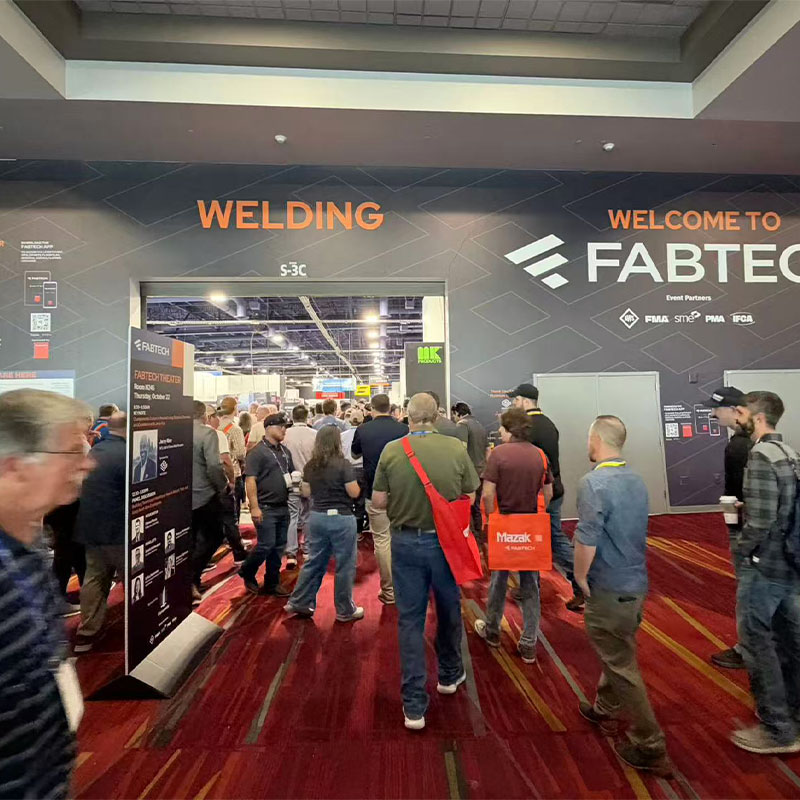
FABTECH, North America’s premier trade show for metal forming, fabricating, welding and finishing, recently opened its doors in Las Vegas. As one of the year’s most anticipated industry events, the expo floor was packed with attendees. Manufacturing specialists, procurement managers and technical experts from across the globe gathered to explore cutting-edge innovations, creating a bustling environment for industry networking and business exchanges. At this year’s FABTECH show, NEW AIR showcased its lineup of three industrial papr manufacturer china. Tailored for welding, grinding and other heavy-duty industrial applications, the three models feature differentiated designs to meet varied worksite requirements. Balancing reliable protection, all-day wear comfort and practical functionality, the products quickly grabbed the attention of crowds passing by the booth. A steady stream of visitors stopped at the NEW AIR booth to examine and test the PAPR systems. Many attendees tried on the respirators in person to experience airflow performance, lightweight design and the clarity of the welding helmet viewport. The NEW AIR team greeted every guest, walking them through key product features including filtration efficiency, battery runtime, adjustable airflow and auto-darkening welding technology. They also answered questions about certification standards, application scenarios and potential partnership opportunities. Buyers from local welding service providers and manufacturing firms showed keen interest in NEW AIR’s PAPR portfolio. Welding fume control is a critical priority for North American manufacturers. With a stable positive-pressure design, NEW AIR’s welding papr manufacturing china effectively block welding fumes and hazardous particulates, meeting the region’s strict occupational health requirements. Multiple prospects held in-depth discussions with the team about future cooperation during the show. FABTECH serves as a valuable international platform for NEW AIR to strengthen its presence in the North American market. Beyond displaying its products, the brand gained direct insights into end-user needs and the latest market trends. These first-hand observations will inform ongoing product upgrades and support the company’s localized development strategy. NEW AIR specializes in the R&D and manufacturing of respiratory protection equipment for welding and industrial worksites, with a core focus on positive pressure air supplied respirator systems. Committed to safety, comfort and durability, the brand will continue advancing its technology and expanding its product range. Moving forward, NEW AIR aims to deliver trusted respiratory protection solutions for welders and industrial workers worldwide, grow its global footprint, and work with partners to safeguard occupational health for frontline workers.If you want know more, please click www.newairsafety.com.
Read More
NEW AIR has officially released its newly designed Multibay Battery Charger. This portable charging unit can charge multiple PAPR batteries at the same time, delivering a more efficient battery management solution for field workers, technicians and operators. Developed with practicality and reliability as key priorities, it offers a new charging option for work environments reliant on rechargeable batteries. The charger features a robust metal enclosure fitted with a metal carry handle on top, making it easy to transport between job sites, workshops and storage areas. Dedicated battery bays are arranged on the top surface to securely hold batteries during charging. Safe and stable charging stands as the core highlight of this new product. Its multibay parallel charging design allows multiple batteries to be recharged in one go, eliminating the inefficiency of charging batteries one by one and greatly reducing waiting time. This benefit is especially valuable for teams conducting extended operations where continuous papr respirator system operation must be maintained. Each bay maintains stable charging parameters to protect batteries and extend their overall service life. Built for demanding working environments, its rugged casing withstands bumps and impacts commonly encountered in industrial settings, suitable for factory maintenance, on-site inspection and other applications. The unit consolidates multi-battery charging functionality into one compact housing. Operators can load several batteries for simultaneous charging, reducing the amount of equipment to carry and improving on-site battery replenishment efficiency. User experience was a key consideration during development. The layout is intuitive, requiring only basic familiarization for new users with no extensive training needed. It balances capacity and portability, suitable both for permanent workstation use and mobile deployment. As a specialist brand deeply engaged in industrial personal protection, NEW AIR centers its development on end-users’ real-world needs and focuses on expanding its supporting product ecosystem. The launch of this dedicated Multibay Battery Charger marks a major upgrade focused on supporting our own equipment and enhancing user experience, directly addressing real operational pain points for customers. Moving forward, NEW AIR will continue advancing R&D and supporting services for positive air purifying respirator safety protection products. We will refine our full product lineup with better compatibility, higher safety and greater practicality, delivering one-stop, high-quality industrial safety protection solutions for users worldwide. If you want know more, please click www.newairsafety.com.
Read More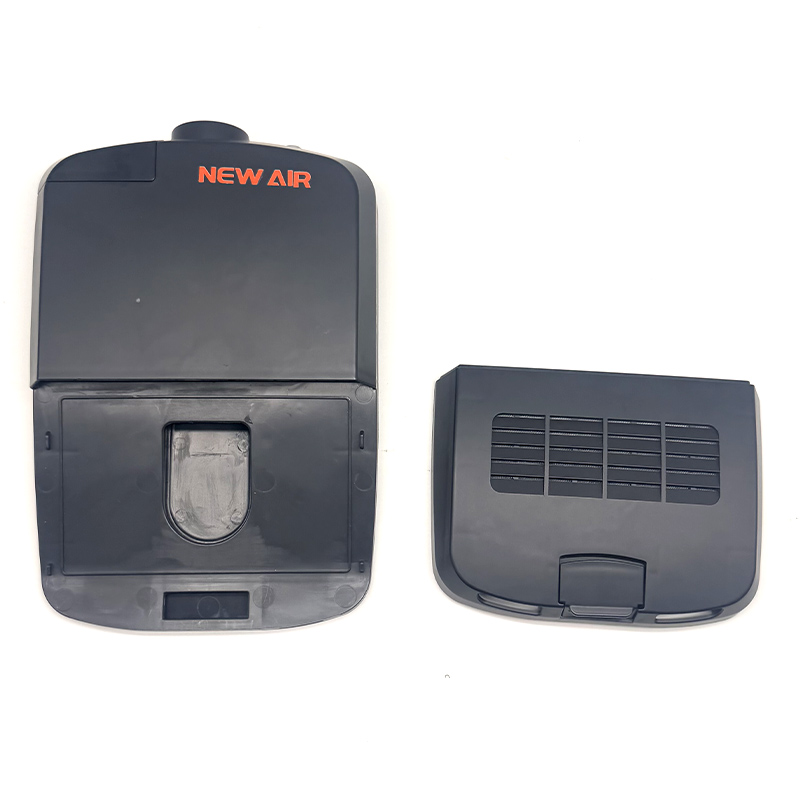
Recently, NEW AIR has rolled out a functional upgrade for its PAPR(Powered Air‑Purifying Respirator) model BXH‑3003. A new filter‑missing sound alarm feature has been added to fill gaps in safety warning capabilities, delivering more comprehensive respiratory protection for operators working in high‑dust and particulate‑heavy environments. In high‑risk work scenarios such as grinding, metal processing and pharmaceutical dust handling, filter cartridges serve as the core component for powered air purifying devices to deliver effective protection. In real‑world operations, situations where filters are omitted or improperly installed occasionally occur. If the filter is missing, the unit may still run and supply airflow. However, hazardous particulates from the workplace can penetrate directly into the facepiece, resulting in complete loss of protection. Operators are often unable to detect this risk in time, creating hidden occupational health hazards. The newly‑added filter‑missing alarm on BXH‑3003 is powered by built‑in intelligent sensing modules for real‑time status monitoring. When the filter cartridge is not fitted correctly or goes missing, the device will trigger an immediate audible alarm to remind operators to inspect filter accessories. The unit avoids blind air supply without valid filter elements, effectively preventing protection failure caused by careless filter installation and eliminating potential risks before work commences. The upgraded BXH‑3003 has passed relevant compliance tests. It is widely applicable to metal grinding, construction dust control, pharmaceutical dust protection, chemical particulate protection and many other industries. This upgraded model addresses the long‑standing industry pain point of neglected filter installation. With enhanced active safety reminders, it helps enterprises improve on‑site personal protective equipment management and reduce occupational injury risks. NEW AIR focuses on the R&D and manufacturing of best powered respirator, with deep expertise in personal respiratory protection. Guided by real‑world pain points from job sites, the company keeps optimizing safety alert performance and protection efficiency. It supplies compliant, high‑reliability total respiratory protection solutions for industrial clients worldwide, safeguarding the respiratory health of front‑line workers.If you want know more, please click www.newairsafety.com.
Read More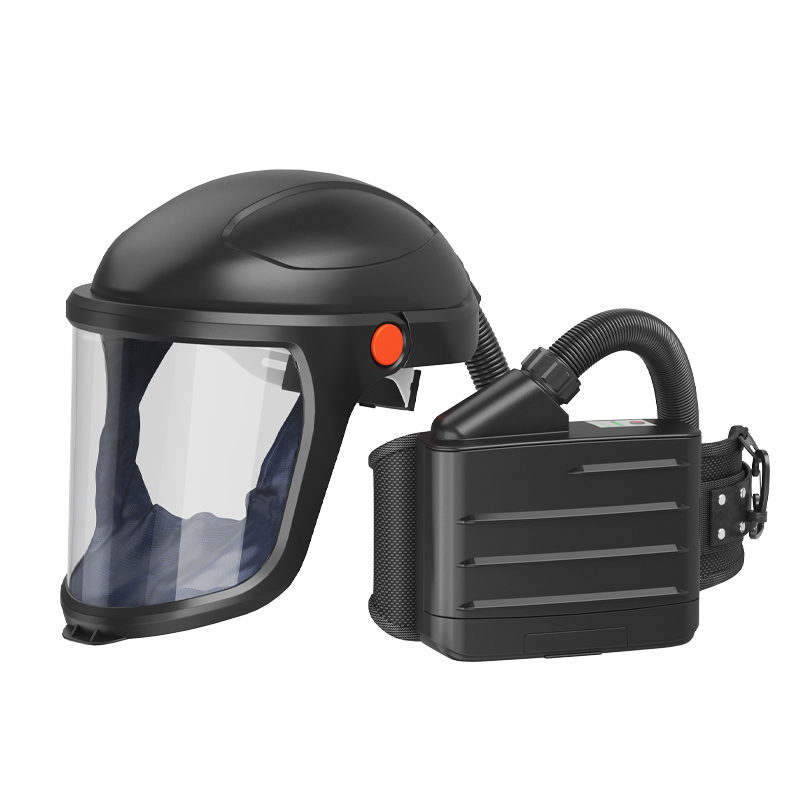
Many buyers and frontline workers in welding and grinding industries often confuse P3 filters with FFP3 respirators. Both are high-level particulate protection solutions under European norms and block hazards such as welding fume and crystalline silica dust. However, they fall under two separate EU standards, with major differences in working principle, compatible equipment and application scenarios — and they cannot be treated as direct substitutes. FFP3 is governed by EN149, the standard for disposable negative-pressure filtering half masks. Breathing relies on the wearer’s own inhalation to draw air through the filter media. It achieves a minimum filtration efficiency of 99% against both oil-based and non-oil aerosols. A key limitation of FFP3 is the requirement for a tight face seal. Beards or uneven facial contours can easily cause inward leakage. It also creates high breathing resistance during extended wear, which leads to fatigue and discomfort for welders, making it more suitable for short-duration exposure in moderately contaminated environments. The P3 filter complies with EN143 and is a replaceable filter cartridge. It is designed for reusable half masks, full-face masks and Powered Air-Purifying Respirators (PAPRs). A P3 filter delivers a minimum filtration efficiency of 99.95%, a higher performance threshold than FFP3. When fitted to papr units, the built-in blower supplies forced airflow and maintains constant positive pressure inside the headtop. A perfect tight facial seal is no longer mandatory, even with loose-fitting welding helmets. This drastically reduces breathing strain, ideal for welders working long continuous shifts. They also differ significantly in assigned protection factor, service life and operating cost. Standard FFP3 masks are single-use and discarded once loaded with contaminants, with a typical assigned protection factor (APF) of 20. P3 filter cartridges are replaceable consumables paired with a reusable papr device main unit. When used with a sealed headtop, they offer a much higher protection margin for high-risk environments with heavy welding fumes or carcinogenic dust, often delivering better long-term value. Site hazard assessment should guide your selection. FFP3 is a lightweight option for occasional, short-term dust exposure with low contaminant levels. For welding, blasting, prolonged grinding and other heavy dust applications, a battery powered fresh air respirator system equipped with P3 filtration is widely preferred. It balances reliable protection, wearer comfort and all-day usability, and is the compliance choice for occupational health programmes at many overseas manufacturing facilities. NEW AIR specialises in Powered Air-Purifying Respirators. Our PAPR systems come with EN143-certified P3 filters, engineered specifically for welding fume with optimised dust holding capacity and low airflow resistance. We continuously refine our products to meet regional occupational safety standards worldwide, delivering dependable positive-pressure respiratory protection and safeguarding the breathing health of frontline welders.If you want know more, please click www.newairsafety.com.
Read More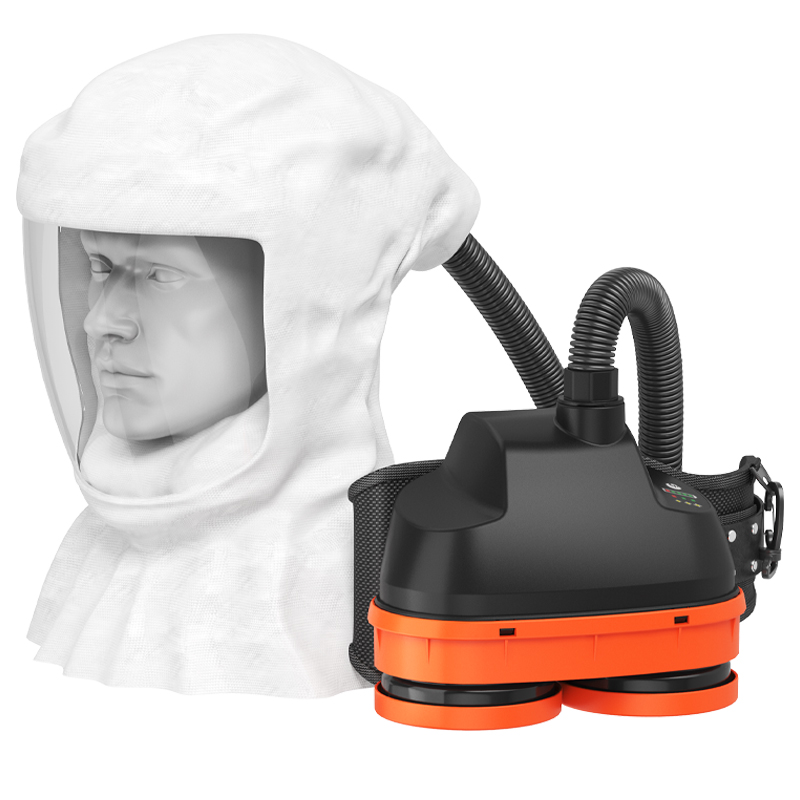
For industrial grinding, coating, confined space work and other applications, respiratory protective equipment is vital to safeguarding workers’ health. Many safety managers confuse papr system (Powered Air-Purifying Respirators) with SARs (Supplied-Air Respirators). While both deliver clean air to the facepiece, they differ drastically in working principles and protection limits. Understanding their differences helps select proper equipment according to site conditions and prevents safety risks caused by wrong selection. PAPR, or Powered Air-Purifying Respirator, uses a battery-powered fan to draw ambient air. The air passes through filter cartridges to remove dust, fumes, organic vapors and other contaminants before clean air is fed into the facepiece or hood. One key prerequisite: the workplace must have sufficient oxygen. As long as oxygen levels are normal, and filters and batteries are in good condition, it can operate continuously. Most PAPRs adopt a waist-worn compact design with no connecting air hose, giving workers greater freedom of movement. It is ideal for long-duration continuous work. SARs, Supplied-Air Respirators, are atmosphere-supplying respirators. Instead of filtering ambient air, they deliver clean air to the facepiece through a long supply hose connected to an independent clean air source such as an air compressor. SARs can be used in oxygen-sufficient environments. Some models fitted with an emergency escape cylinder offer escape capability. Its main limitation comes from the air supply hose: working range is restricted by hose length. The hose also faces risks of cuts and tangling. Protection capability and applicable scenarios are core selection criteria. papr system kit relies on filter cartridges. It can only block particulates and certain vapors within defined concentration limits. It must NOT be used in oxygen-deficient or IDLH (Immediately Dangerous to Life or Health) atmospheres. Typical applications include welding fumes, sanding, spray painting and laboratory disinfection. SARs receives clean air from an external source, so it is not limited by contaminant concentration (provided the air supply remains stable). It fits high-contamination tasks such as large tank internal coating and confined vessel cleaning. SARs alone cannot be used in IDLH environments unless equipped with a backup escape air cylinder. The two systems also have distinct advantages in maintenance cost and ease of operation. PAPR requires no external air source and is ready for use after power-on. Routine maintenance mainly involves filter replacement and battery charging. It is portable and quick to deploy. SARs needs supporting air compressors and pipelines, requiring longer setup time. Operators must regularly inspect hose tightness and air source quality. The whole system takes up more space. PAPR offers better flexibility if work locations change frequently, while SARs works better for fixed stations with prolonged high-contamination tasks. NEW AIR specializes in the R&D and manufacturing of PAPR powered air-purifying respirators, focusing on industrial respiratory protection. The brand addresses real pain points of frontline workers and launches a range of lightweight PAPR products for grinding, welding, spray painting, and other industrial applications. NEW AIR keeps optimizing its products, delivering reliable respiratory protection solutions for global industrial customers and helping enterprises build complete respiratory protection systems for workers.If you want know more, please click www.newairsafety.com.
Read More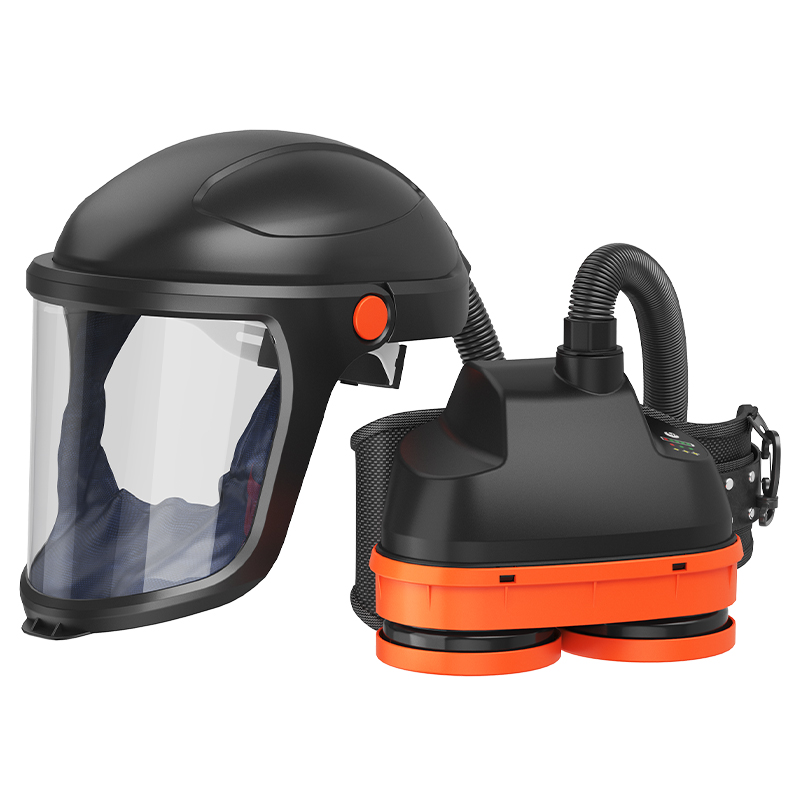
In high-risk work environments such as industrial operations, fire rescue and disinfection tasks, respiratory protective equipment is critical to safeguarding workers’ lives. powered face shield respirator (PAPR) and Self-Contained Breathing Apparatus (SCBA) are two of the most widely used professional protective devices. Many industry practitioners tend to confuse their applicable scenarios and protection capabilities. In fact, they differ greatly in working principles, protection levels and operating conditions. A clear understanding of their differences helps companies and workers select the right equipment, ensuring safety while improving work efficiency and controlling protection costs. The fundamental distinction between PAPR and SCBA lies in their operating principles and air supply methods. Powered air purifying respirator is an air-purifying respirator. Its built-in electric fan actively draws ambient air and filters out contaminants such as dust, organic vapors and aerosols through multi-layer filter cartridges, then delivers clean air to the facepiece or hood. It relies entirely on the surrounding atmosphere. SCBA, by contrast, is an atmosphere-supplying respirator. It does not depend on outside air. Clean breathing air is supplied from a high-pressure compressed air cylinder worn on the back. The wearer breathes air from the self-contained tank, fully isolated from contaminated ambient air. Protection performance and suitable applications form the core criteria for equipment selection. SCBA delivers the highest level of protection, far exceeding PAPR. It can be used in IDLH (Immediately Dangerous to Life or Health) atmospheres, oxygen-deficient environments, high-concentration toxic gas leaks and unknown hazardous air conditions. It is standard equipment for fire fighting, chemical spill response and confined space rescue. However, its limitation is air capacity. Typical cylinders only support 30 to 90 minutes of operation, making it unsuitable for extended continuous work. PAPR offers moderate protection and is only used when ambient oxygen levels are sufficient and contaminant concentrations are controlled. Common use cases include industrial grinding, spray painting, welding and routine disinfection. While it cannot handle oxygen-poor or highly toxic emergency scenarios, it enables long-duration work as long as the battery remains charged and filters are intact. When it comes to wearer comfort, equipment weight and running costs, these two devices also show obvious gaps. SCBA is fitted with a high-pressure cylinder and pressure reducing components, making it bulky and heavy. The backpack design restricts body movement, and users easily get fatigued after prolonged wear. Cylinder refilling, annual inspections and maintenance also add up to high operating costs, with relatively complex operation procedures. PAPR adopts a lightweight modular design, most available in waist-mounted or slim backpack formats. The forced air circulation keeps the hood ventilated and reduces heat buildup, lowering operator fatigue. There is no need for air refilling; users only replace filters periodically. Simple maintenance and lower recurring costs make PAPR ideal for regular, long-hour industrial work. Overall, PAPR and SCBA are not substitutes for each other. Instead, they complement one another for different protection requirements. As a simple rule of thumb: SCBA must be deployed for high-risk, oxygen-deficient and unknown hazard emergency rescue operations to guarantee absolute safety. PAPR is preferred for regular industrial dust and vapor exposure where long continuous working time is needed, balancing protection and practicality. Most enterprises maintain both types of equipment in their safety setup, building a full respiratory protection system covering daily operations and emergency response to mitigate workplace hazards. NEW AIR is a professional safety gear brand focusing on the research, development and manufacturing of PAPR solutions for respiratory protection. The brand addresses common pain points in industrial respiratory safety, offering a lineup of lightweight, well-adapted powered air-purifying respirators. Its core models including BXH-3001, BXH-3002 and BXH-3003 feature a modular filter structure, which can protect users against industrial dust, welding fumes, paint organic vapors and other pollutants. With reliable engineering and product quality, It delivers cost-effective, professional respiratory protection solutions for industrial enterprises and stands as a trusted choice for routine industrial respiratory protection.If you want know more, please click www.newairsafety.com.
Read More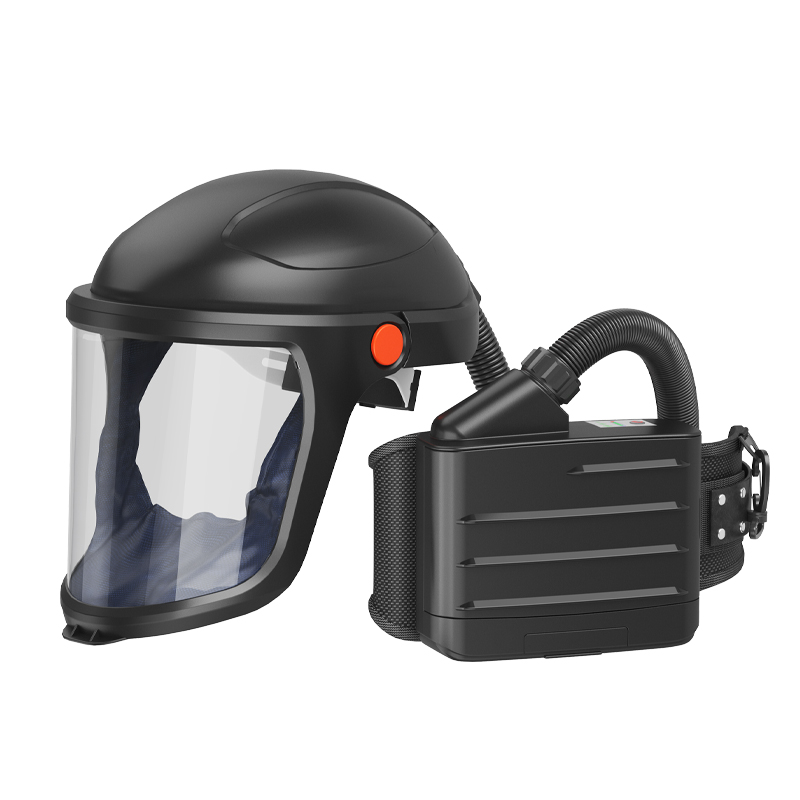
When selecting, testing and deploying Powered Air Respirator System (PAPRs), NPF and APF are two commonly encountered parameters that are often confused. Many professionals wonder why authoritative product standards for PAPRs such as EN12941 specify performance testing but do not include APF. The fundamental reason is that NPF is a laboratory product performance metric, while APF is a field-focused practical protection parameter. They differ in definition, test conditions and application purpose, and understanding both is essential for compliant PAPR deployment. First, NPF (Nominal Protection Factor) is a laboratory metric for product type certification under EN12941. When manufacturers submit papr system kits for testing, the complete assembly is evaluated in a controlled laboratory environment to measure Total Inward Leakage (TIL), from which the NPF value is calculated. This also determines the product’s TH1, TH2 or TH3 protection class. Tests are carried out under highly controlled conditions with defined test subjects, airflow and fitting procedures. NPF establishes the maximum achievable protection of the hardware itself and serves as the key basis for CE certification and product classification. However, it cannot represent real-world protection performance at work sites. APF (Assigned Protection Factor), by contrast, is a practical parameter for on-site safety management, primarily used for hazard assessment and respirator selection. As defined in the EN529 guidance for selection, use and maintenance of respiratory protective equipment, APF describes the contaminant reduction factor achievable in over 95% of field conditions, provided users are properly trained, equipment remains intact and respirators are worn correctly. It accounts for real-world variables including variations in facial characteristics, body movement during work, ambient air turbulence and equipment wear over time. APF is the compliant reference companies must use to verify whether a PAPR is suitable for a given contaminant concentration. The core distinction boils down to ideal performance limit versus real-world safety baseline. NPF represents the theoretical peak protection achieved under optimal laboratory conditions. For example, an EN12941-certified Class TH3 positive airflow respirator delivers an NPF of 500 in lab tests, yet this level of performance can hardly be replicated in busy workshops or construction sites. APF is a conservative safety value derived from extensive field experience. It discounts all potential real-world uncertainties and is always lower than NPF. This prevents over-reliance on theoretical protection levels and mitigates safety risks to protect workers' health. In industrial practice, their roles are clearly separated. During R&D, product testing and certification audits, NPF and TH classification are the accepted benchmarks to define product quality. When companies conduct site risk assessments, match respirators to workplace hazards and develop protection plans, APF must be used. Compliance is confirmed by comparing APF against the workplace hazard factor. To summarise:NPF defines the product’s upper limit for certification and grading; APF sets the minimum safe performance for field operation. Both are necessary and complementary. NEW AIR has years of expertise in the R&D, manufacturing and compliance support of respiratory protection equipment. We fully understand the standard logic and practical gaps between NPF and APF. All our PAPRs undergo type testing in line with EN12941 to guarantee validated NPF ratings and robust hardware performance. We build professional, reliable respiratory protection barriers for industrial workers across all applications. If you want know more, please click www.newairsafety.com.
Read More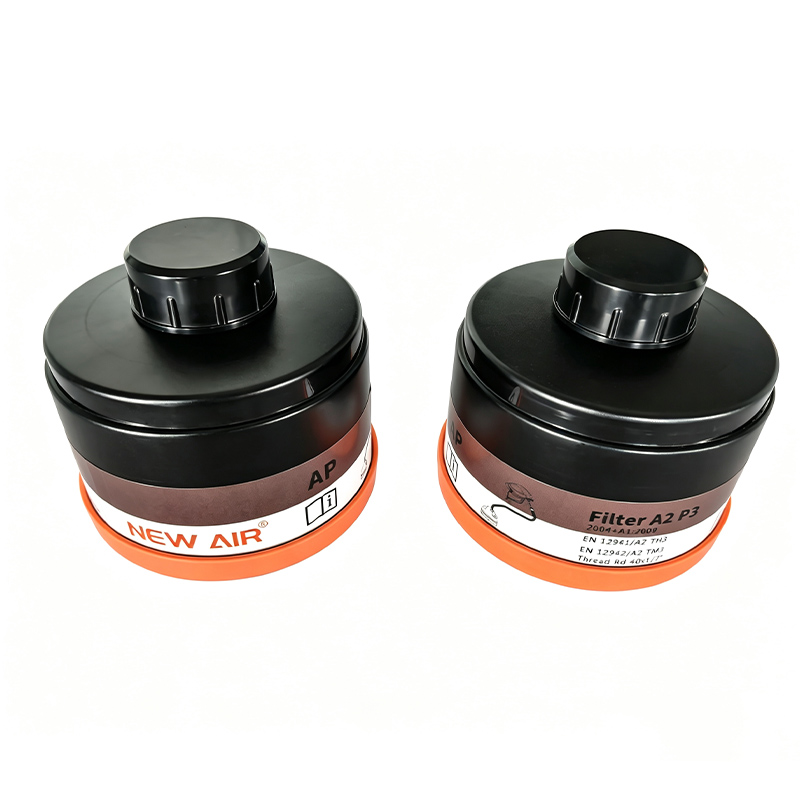
Workers performing spray painting, adhesive application and chemical processing are exposed to two major respiratory hazards: harmful organic vapours and fine airborne particles. Standard particulate filters can only trap dust and aerosols, but cannot block toxic solvent fumes. The NEW AIR A2P3 combined filter cartridge is the matching filter for the BXH‑3002 Powered Air Purifying Respirator (PAPR). Purpose-built for spray applications, it delivers dual protection against organic vapours and particulate matter. The A2 class protects against organic vapours with boiling points above 65°C, such as paint solvents, thinners and fumes released by adhesives. The P3 filter layer captures solid and liquid aerosols including paint mist, grinding dust and smoke. When fitted to the BXH‑3002 respirator air purifying, the A2P3 cartridge first adsorbs organic gases via its activated carbon layer, then traps tiny droplets and particles with high-efficiency filter media. This two-stage purification continuously supplies clean airflow into the visor, offering reliable respiratory protection for spray operators. The A2P3 filter cartridge acts as the core accessory when the BXH‑3002 respirator is used for solvent-based paint spraying. In coating workshops, paint mist floats in the air alongside evaporated solvent vapours. Using a standalone P3 particulate filter here creates significant safety risks, as it cannot remove solvent vapours. Equipped with the A2P3 filter, the BXH‑3002 can defend against both paint mist and organic vapours. It is widely used for automotive refinishing, furniture spraying and other solvent coating operations. Despite its strong filtration performance, users need to understand its limitations. The A2P3 filter for BXH‑3002 only protects against organic vapours. It does NOT protect against acid gases, ammonia or other inorganic toxic gases. It is not recommended for spraying 2K polyurethane paints containing isocyanates, which require a higher level of respiratory protection. The service life of the filter cartridge depends on onsite chemical concentration, humidity and working hours. Regular replacement is mandatory. Great compatibility is another advantage of the BXH‑3002 system. The A2P3 filter cartridge adopts a standard threaded connection. It can be quickly mounted onto the BXH‑3002 main unit or swapped out for a P3 particulate filter as needed. Operators can easily switch filter types: use the P3 filter for welding and grinding, then fit the A2P3 combined cartridge for coating work. There is no need to replace the whole respirator. One main unit adapts to multiple working scenarios, cutting equipment costs and improving workshop productivity. NEW AIR specialises in developing reliable respiratory protection solutions. Paired with the original A2P3 filter cartridge, the BXH‑3002 loose fitting powered air purifying respirator is manufactured and tested in compliance with relevant EN standards, delivering stable dual protection against gases and particulates for spray booths. We supply the complete BXH‑3002 PAPR system, replacement filter cartridges and supporting accessories to meet diverse demands from welding, grinding and spray coating industries. Every product is engineered to safeguard workers’ respiratory safety in harsh workshop environments. If you want know more, please click www.newairsafety.com.
Read More
PAPR, or Powered Air-Purifying Respirator, relies on its built-in blower to deliver filtered, clean air into a headpiece or face mask. It is a critical piece of personal protective equipment for work environments with industrial dust and hazardous particulate matter. Many users assume that protection is guaranteed as long as the blower runs normally. However, for PAPR systems paired with tight-fitting headpieces, inward leakage testing under power-off conditions is an indispensable part of full system validation. When the purifying respirator blower operates normally, it maintains positive pressure inside the headpiece. This positive pressure blocks external contaminants from seeping through gaps between the face seal and skin, which forms the core protective mechanism of a PAPR. If the blower unexpectedly loses power, the battery drains completely, or the unit malfunctions, this internal positive pressure disappears instantly. Without continuous airflow supporting the tight-fitting headpiece, harmful aerosols and dust from the surrounding environment can penetrate through the seal interface. At this point, the inward leakage rate directly determines the level of exposure risk for the wearer the moment the unit shuts down. A common misconception among users is that a tight-fitting headpiece, which seals firmly against the face, will perform like a conventional negative-pressure gas mask even after the blower stops. But these two designs serve fundamentally different purposes. The sealing structure of a respiratory papr tight-fitting headpiece is engineered primarily to work with internal positive pressure; it is not independently designed to meet the sealing requirements of negative-pressure respirators. When the blower stops, the wearer's breathing creates negative pressure inside the headpiece, drawing environmental contaminants into the seal gaps. Without power-off inward leakage testing, we cannot quantify what proportion of pollutants will enter the headpiece when the equipment fails. Sudden PAPR power loss is not a rare edge case in real-world operations. Long-duration work can deplete batteries, loose wiring or physical impact can all cause the blower to shut down without warning. In high-risk sites such as chemical plants, pharmaceutical facilities and heavy metal dust workshops, workers cannot evacuate immediately after a shutdown. They often need several seconds to tens of seconds to secure their work and exit the hazard zone. Power-off inward leakage testing simulates this high-risk scenario, evaluating how much residual protection the headpiece provides during blower failure and verifying whether the equipment meets on-site safety requirements. For compliance and equipment selection, power-off inward leakage data is essential for risk assessment. Relevant respiratory protection standards require performance evaluation under fault conditions, in addition to testing protection during normal air supply. This test helps compare sealing performance across different headpiece models and identify sealing defects, such as insufficient headband tension or deformed face seals. The data also supports enterprises in developing emergency protocols, defining the maximum allowable evacuation window after PAPR shutdown and clarifying emergency response procedures for staff. In summary, powered face mask respirator protection depends on positive pressure generated by blower airflow. Power-off inward leakage testing essentially acts as a failure contingency test for protective gear. It does not assess performance under normal operation; instead, it verifies the fallback protection capacity during equipment failure. Only by confirming that inward leakage remains controllable when power is lost can we fully understand the true protection limits of the complete PAPR system, preventing hidden health hazards for field operators caused by sudden blower failure. If you want know more, please click www.newairsafety.com.
Read More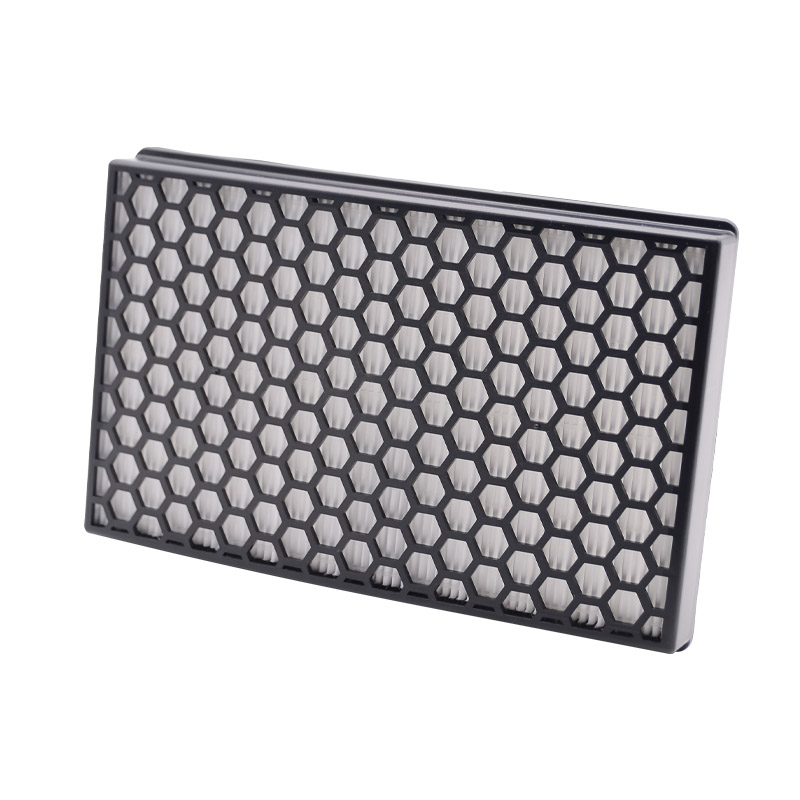
In daily industrial respiratory protection consultations, we frequently receive questions from customers: “Do you provide H13 or H14 filters?” Many buyers and on-site operators often confuse HEPA filter grades with PAPR protective performance. In fact, H13 and H14 represent an entirely different technical standard system from battery powered air respirator equipment. They are not interchangeable products. Clarifying their core differences is essential for users to select compliant, site-matched respiratory protection solutions. H13 and H14 are HEPA filter grades defined by the EN 1822 standard, which applies to ventilation and air purification systems such as cleanrooms and HVAC equipment. This standard evaluates the particle interception efficiency of filter media under static laboratory conditions. H13 filters achieve a minimum filtration efficiency of 99.95%, while H14 filters reach 99.995%. Although H13/H14 filter media delivers excellent purification performance, the European occupational papr respirator system certification follows PPE standards EN12941 and EN12942, which do not adopt EN1822 H-grade ratings. Industrial PAPRs for workplace use strictly require P-series filters certified to EN143. Many customers wonder whether PAPR devices can use H13 or H14 filters. Technically speaking, H13/H14 filter media can be physically installed into PAPR equipment. However, such configuration is not legally compliant for European workplace applications. EN1822 H-grade testing is conducted in static, stable ventilation environments, without simulating real PAPR working conditions, including continuous dynamic air supply, high dust load, equipment vibration, and long-term on-site wear. Even if the filter media meets H13 or H14 efficiency, the PAPR cannot obtain official PPE certification, making it unqualified for industrial operation scenarios. This explains why mainstream European PAPR products adopt P3 filters instead of H13/H14 filters. As a professional particulate filter standard for respiratory protective equipment under EN143, P3 filters offer a minimum filtration efficiency of 99.95%, equivalent to H13 grade. More importantly, P3 filters undergo comprehensive workplace-oriented tests, including dust holding capacity, airflow resistance, vibration resistance, and moisture resistance. They are professionally optimized for the dynamic air supply mode of PAPR blowers, balancing high filtration performance and stable airflow to maintain consistent positive pressure inside the facepiece during operation. A common industry misconception is that higher filter grades equal better protection. In practice, H14 filter media features ultra-high filtration efficiency but comes with significantly increased air resistance. Directly installing H14 filters in standard PAPRs will overload the blower, reduce actual output airflow, and break the stable positive pressure inside the mask. This leads to potential leakage of polluted air and reduced overall protective performance. For most industrial dust scenarios such as metal grinding and powder handling, standard P3 filters fully meet safety protection requirements. When selecting equipment, users should prioritize official PAPR certifications rather than blindly pursuing H13/H14 filter parameters. NEW AIR focuses on the R&D and manufacturing of professional positive pressure powered respirator protection equipment. With in-depth understanding of global market standards and customer selection pain points, we strictly comply with regional PPE regulations. Our products adopt EU-standard compliant P3 filters for European markets and matched HEPA solutions for North American regions. Every equipment and filter combination is professionally calibrated to balance filtration efficiency, operational stability and wearing comfort, providing global industrial clients with reliable, fully compliant and scenario-oriented respiratory protection solutions.If you want know more, please click www.newairsafety.com.
Read More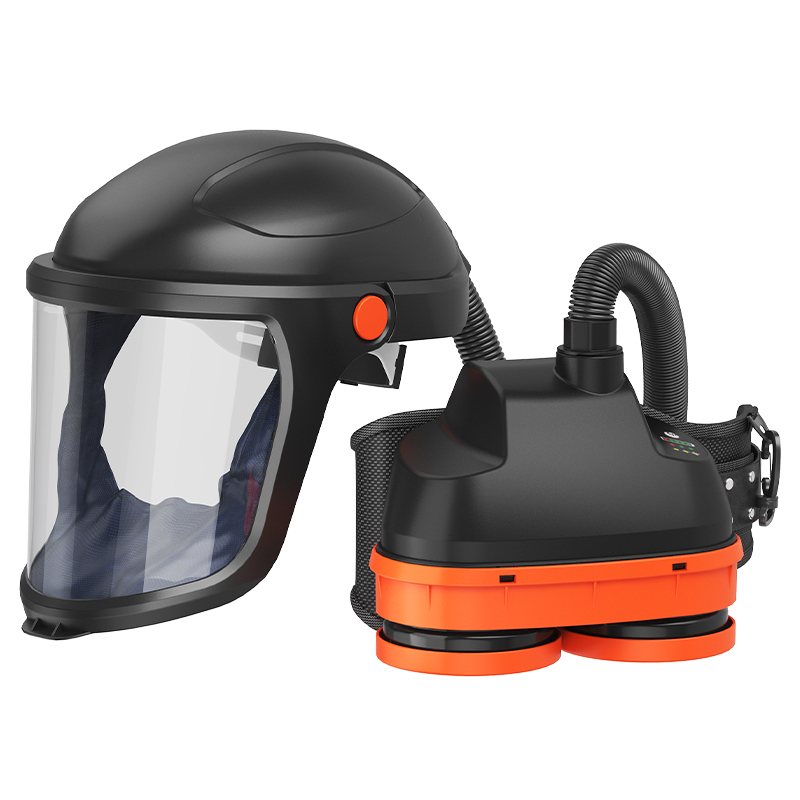
In all industrial work environments across the United States, the compliance of Powered Air-Purifying Respirators (PAPRs) is strictly regulated under federal code 42 CFR Part 84. NIOSH certification serves as the only legally recognized qualification for respiratory protection devices and is fully enforced by OSHA. Unlike flexible regional protection standards, NIOSH approval is mandatory for all workplace applications, including general industry, construction, healthcare, and manufacturing.Only officially NIOSH-listed and approved PAPRs are permitted for on-site deployment. While most EHS managers and procurement professionals understand that PAPRs require NIOSH certification, many are unfamiliar with the full range of performance and durability tests required for official approval. This article provides a detailed breakdown of the complete NIOSH testing criteria that all qualified PAPRs must pass, helping safety professionals evaluate product quality, eliminate non-compliant equipment, and maintain standardized workplace safety. Filter performance and filtration efficiency testing form the foundation of NIOSH’s PAPR grading system and represent the first critical stage of certification. Before formal testing, filter cartridges undergo standardized environmental preconditioning to simulate performance changes caused by long-term storage and humid working conditions. Two types of aerosol challenges are applied according to different hazard types: sodium chloride aerosol for solid dust environments and DOP oil aerosol for oil-based fume contaminants, which differentiates the application scope of N-series and P-series filters. Testing airflow rates are strictly defined based on papr system construction: 115 L/min for tight-fitting facepiece models and a minimum of 170 L/min for loose-fitting hood and helmet-style units. Throughout the full loading test, high-concentration particulate aerosol is continuously injected until the filter reaches saturation. Certified PAPRs must maintain stable filtration efficiency without excessive particulate penetration at any stage. As motor-driven respiratory devices, PAPRs must pass NIOSH-specific airflow performance and battery durability tests. Under 42 CFR Part 84, PAPRs must sustain airflow above the minimum rated output even as filters become fully loaded and battery voltage gradually declines. Consistent positive pressure inside the facepiece or hood is essential to prevent external contaminant ingress. Professional breathing simulators are used to monitor inhalation and exhalation resistance throughout operation. Emergency power failure scenarios are also tested to ensure residual resistance does not hinder breathing during sudden motor shutdown. Additionally, PAPRs undergo extended continuous operation and extreme temperature cycling tests to verify battery and motor stability during full-shift, 8-hour work cycles, eliminating common field risks such as airflow dropouts, low-temperature shutdowns, and high-temperature battery failure. Total inward leakage and system tightness testing are core evaluations that determine real-world protective effectiveness. NIOSH enforces distinct testing protocols for the two mainstream PAPR designs. Tight-fitting facepiece PAPRs require quantitative fit testing with human test panels and corn oil aerosol to measure particle penetration through facial seals, headband connections, and assembly gaps. Loose-fitting hood and helmet papr respirator systems are exempt from facial fit testing but must comply with strict overall inward leakage limits. Critical inspection areas include neck seals, duct connections, and hood stitching joints. All units also undergo accelerated aging through repeated donning, doffing, and hose bending cycles to simulate long-term wear and seal degradation. Any leakage exceeding the standard threshold results in test failure. Beyond core protection performance, NIOSH mandates a comprehensive set of structural durability, ergonomic, and functional tests to ensure long-term operational safety. Structural evaluations include drop resistance, repeated hose flexing, lens impact and abrasion resistance, and headband tensile strength, verifying component reliability under daily industrial wear. Ergonomic assessments are conducted with test subjects of different body types to ensure easy donning, unobstructed field of view, and comfortable long-duration wear. Additional functional tests cover operational noise levels and speech intelligibility to support effective on-site communication. For PAPRs equipped with gas cartridges, extra adsorption lifespan tests for organic vapors and acid gases are required to confirm certified service duration. Overall, NIOSH establishes a rigorous, multi-dimensional testing framework under 42 CFR Part 84, covering filter efficiency, powered airflow stability, system tightness, structural durability, and ergonomic safety. These standardized requirements define the minimum safety benchmark for all respirators entering the U.S. market. For workplace safety and procurement teams, verifying PAPRs against these official NIOSH test criteria is essential to protecting workers from particulate and aerosol hazards, avoiding OSHA penalties for non-compliant PPE, and sustaining long-term regulatory compliance at industrial facilities.If you want know more, please click www.newairsafety.com.
Read More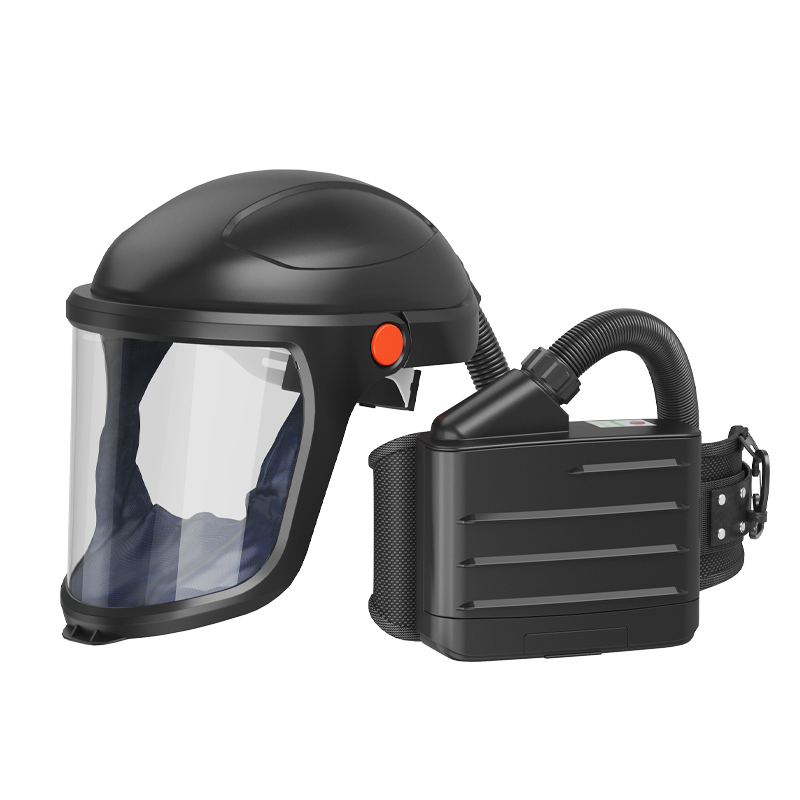
In the industrial safety system of Australia and New Zealand, the compliance of respiratory protection equipment is a core part of workplace risk prevention and control. As an official standard for respiratory protective devices jointly issued by the two regions, AS/NZS 1716:2012 serves as the statutory basis for the access, testing, and application of all respiratory protection equipment. Many practitioners are familiar with the P1, P2, and P3 classification of disposable filtering masks, yet often overlook the profound correlation between this standard and Powered Air-Purifying Respirators (PAPRs). Unlike conventional passive respirators, PAPRs adopt an electric air supply system to actively purify air and reduce breathing resistance, delivering higher protection levels and broader application scenarios. Undoubtedly, AS/NZS 1716:2012 is the authoritative specification that defines the product performance, testing criteria, and compliance thresholds of PAPRs, as well as the core guideline for the selection, acceptance, and maintenance of papr air purifier equipment in Australian and New Zealand workplaces. It is essential to clarify the core definition: AS/NZS 1716:2012 is not limited to regulating simple protective masks, but covers all categories of respiratory protection equipment including PAPRs. This standard stipulates the manufacturing requirements, performance indicators, testing methods, and certification specifications for various respiratory protective devices, applicable to all workplace scenarios involving harmful dust, aerosols, and particulate contaminants. Compared with traditional negative-pressure respirators, PAPRs feature unique electric air supply structures, enclosed designs, and continuous air delivery functions. Accordingly, the standard sets independent special testing dimensions for PAPRs, covering critical indicators such as air supply stability, filtration efficiency, overall equipment tightness, battery durability, and structural safety. It establishes a testing system completely different from that of ordinary masks, fundamentally preventing non-compliant PAPR devices from being put into workplace use. The filtration classification system constitutes the core content of AS/NZS 1716:2012 for regulating PAPR protection performance. Adopting the exclusive Australian and New Zealand three-tier particulate filtration classification of P1, P2, and P3, the standard precisely defines the filter element performance of PAPRs. The P1 grade is suitable for low-concentration dust scenarios with basic filtration efficiency requirements met. The P2 grade can filter over 94% of fine particles of 0.3 microns, covering most industrial dust, welding fume, and aerosol scenarios, making it the mainstream configuration for workplace PAPRs. As the highest protection grade, P3 features stringent requirements for filtration accuracy and sealing performance, tailored for high-pollution and high-risk operating environments. All compliant powered respirators devices must be marked with the corresponding classification on the body or packaging. Products with air supply functions but without classification certification under this standard are not recognized by the Australian and New Zealand workplace safety system. Beyond filter element filtration performance, AS/NZS 1716:2012 also stringently regulates the overall safety and operational performance of PAPRs. For the exclusive electric air supply system of PAPRs, the standard mandates stable airflow delivery to avoid insufficient air supply or airflow interruption, while imposing strict requirements on equipment airtightness, leakage prevention, and material safety. In addition, the standard differentiates the application requirements for tight-fitting and loose-fitting PAPRs, specifying that tight-fitting models must undergo professional fit testing while loose-fitting models are exempted, providing clear specifications for on-site enterprise implementation. Furthermore, the standard covers routine inspection, fault judgment, and service life thresholds for PAPRs, forming a standardized basis for daily equipment operation and maintenance. In the Australian and New Zealand workplace compliance framework, AS/NZS 1716:2012 forms a complementary closed-loop system with AS/NZS 1715:2009 to regulate the full lifecycle management of PAPRs. AS/NZS 1716 focuses on product performance and compliance certification, answering the core question of whether the equipment is qualified. In contrast, AS/NZS 1715 governs the selection, application, training, maintenance, and scrapping processes of equipment, standardizing correct operational practices. Enterprises adopting PAPRs must meet the requirements of both standards: the equipment itself shall be certified per AS/NZS 1716:2012, and its usage and maintenance procedures shall comply with AS/NZS 1715. This dual-standard system ensures the high-level protective performance of PAPRs can be fully realized, effectively reducing occupational health risks caused by dust and particulate pollutants. In summary, AS/NZS 1716:2012 is the fundamental compliance benchmark for PAPR application in Australia and New Zealand. It not only builds a dedicated performance testing and classification system for PAPRs, distinguishing high-level powered air protection from ordinary negative-pressure protection, but also clarifies the access criteria and safety thresholds for workplace PAPR deployment. For industrial enterprises, safety practitioners, and equipment suppliers, a thorough understanding of the PAPR-specific specifications in this standard helps protect workers’ occupational health, eliminate potential safety hazards, ensure compliant equipment selection, and pass workplace safety inspections smoothly. It is an essential core criterion for standardized respiratory protection management across Australia and New Zealand.If you want know more, please click www.newairsafety.com.
Read More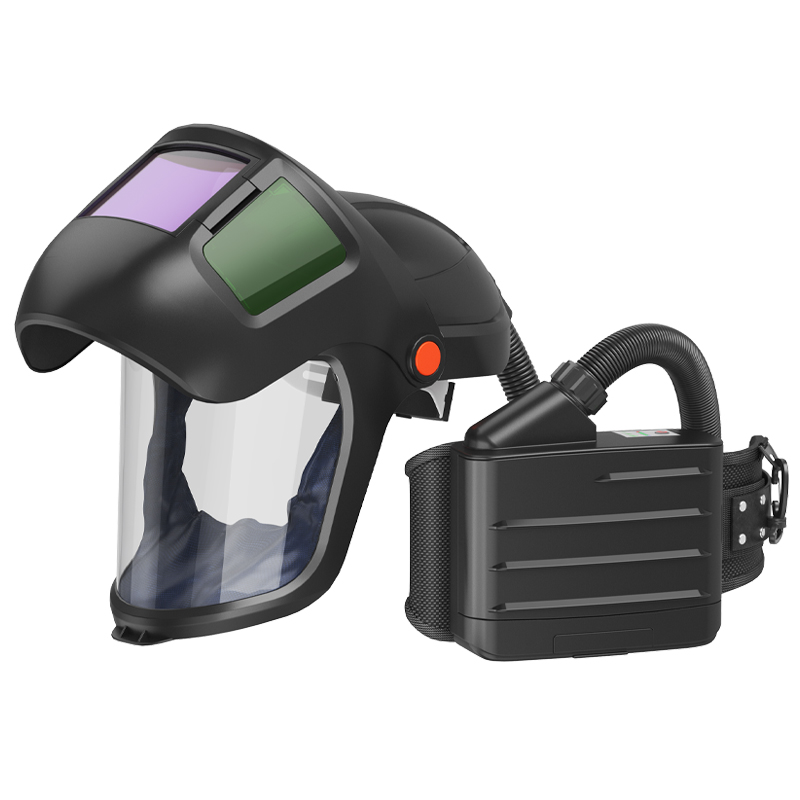
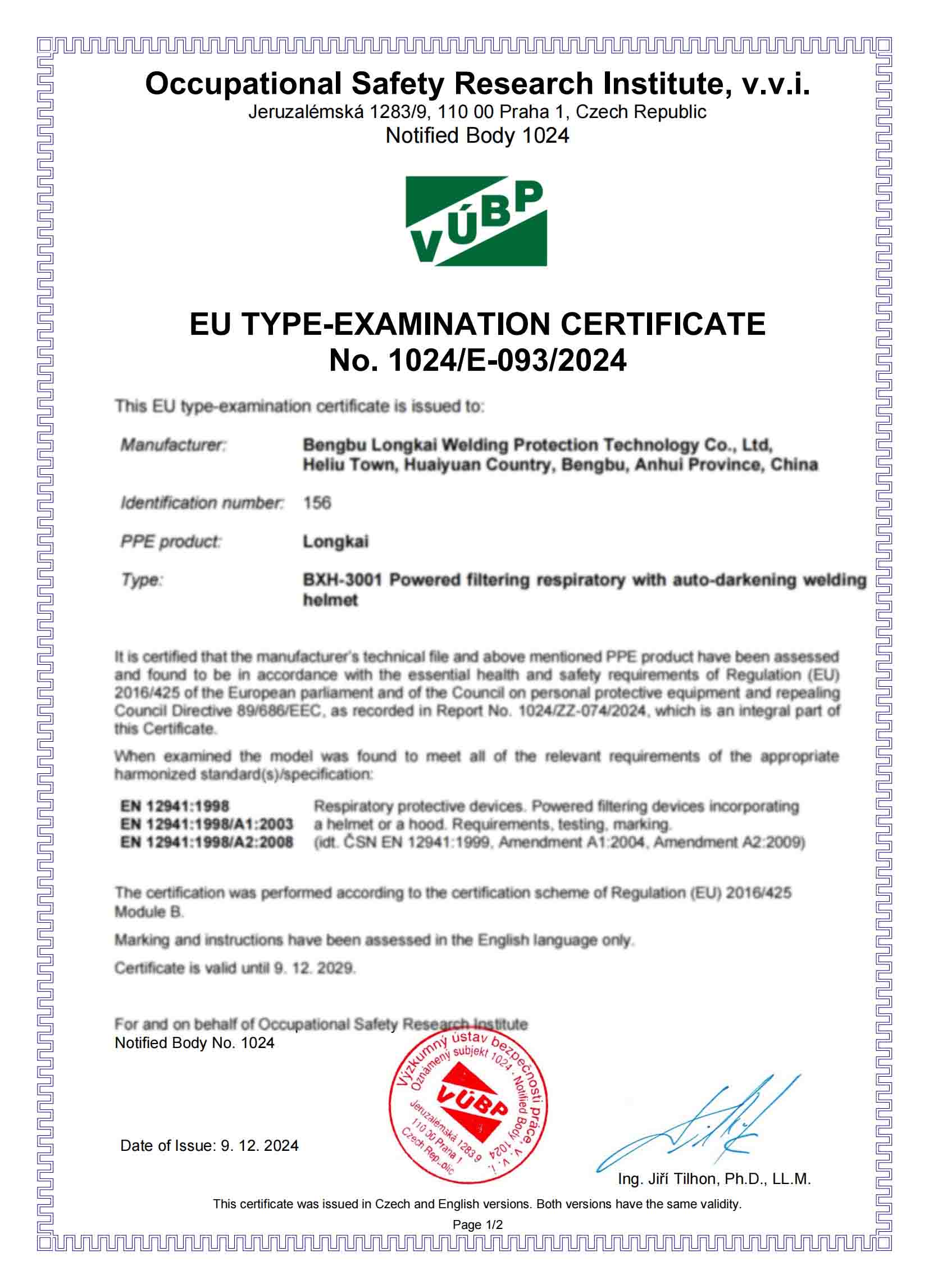
As EU PPE regulations keep tightening and the updated EN12941:2023 & EN12942:2023 standards come into full force, the compliance threshold for powered air-purifying respirators (PAPR) exported to Europe has risen significantly. There are countless notified bodies across the EU with huge gaps in certification validity and testing capacity. Many manufacturers frequently face troubles including questioned certificates, suspended annual surveillance and customs detention. As a professional manufacturer of papr air purifier protection equipment, NEW AIR sends our full product range to RILSA (Notified Body NB1024, Czech Republic) for certification consistently, without switching to other certification bodies. Our overseas customers also widely recognize CE certificates issued by NB1024. This consistent choice stems from five irreplaceable core strengths listed below. 1. Comprehensive Specialized RPD Qualifications to Prevent Certificate Invalidation Registered in the EU NANDO database, RILSA NB1024 holds full official authorization for respiratory protective devices (RPD) under Regulation (EU) 2016/425. It is fully accredited to issue certificates against both core PAPR standards EN12941 and EN12942, with no risk of out-of-scope certification. RILSA runs its own ISO 17025 accredited laboratory No.1040. All mandatory tests for best papr respirator – total inward leakage, airflow stability, filter penetration, high-low temperature durability and more – are completed in-house without outsourcing to third-party labs. All test data is complete and fully traceable. As a notified body qualified for full conformity assessment of Category III high-risk PPE, RILSA delivers Module B type examination plus Module C2 annual surveillance as a complete package. Most small notified bodies can only offer Module B testing without follow-up surveillance, which easily leads to expired or invalid certificates. This full-service model perfectly matches NEW AIR’s long-term mass export demands. 2. Endorsed by Industry Benchmark Brands, Highly Recognized by Buyers Leading European welding equipment manufacturers and top local PPE brands have long relied on RILSA for PAPR certification, building outstanding industry credibility through thousands of successful projects. Many overseas distributors and PPE purchasers explicitly require suppliers to provide products certified by RILSA. In buyers’ eyes, the NB1024 number is a symbol of rigorous, authoritative performance verification for respiratory protection. When comparing identical PAPR products, NEW AIR respirators carrying NB1024 certificates pass customer qualification reviews much faster and secure large-volume purchase orders, granting us a distinct competitive edge in global markets. 3. Smooth Customs Clearance & Stable Market Surveillance, Low Risk of Certificate Suspension or Revocation RILSA is a state-owned national occupational safety research institute in the Czech Republic, not a purely commercial private certification body. It enjoys high credibility with EU customs authorities and market surveillance agencies across all member states. Shipments with NB1024 certificates face far lower inspection rates at EU borders, avoiding extra detention fees and delivery delays caused by questioned certification credentials. In the event of random EU market surveillance audits, RILSA can supply full original test records with complete data trails. Cases of certificate suspension, revocation or forced product withdrawal are extremely rare, drastically cutting compliance risks for NEW AIR’s large-scale shipments. 4. Full Certification Capacity for EN12941:2023 & EN12942:2023 to Secure Long-Term Compliance The latest standard revisions introduced stricter mandatory test items, including mercury and NOx filter performance, unified total inward leakage assessment, battery safety and extreme temperature cycling durability. RILSA participated in the drafting of EU respiratory protection standards and completed full capability expansion for both updated 2023 standards well in advance. It can certify NEW AIR’s core welding helmet-style PAPR as well as tight-fitting full/half mask PAPR for chemical applications. New product certification and legacy certificate upgrades can be processed in one stop, eliminating repeated testing fees and the hassle of switching notified bodies to maintain market access. 5. One-Stop Certification Service Aligned with Mass Production & Export Cycles RILSA maintains mature, streamlined communication channels for Chinese papr respirators manufacturers. Its technical team is familiar with integrated welding PAPR structures, composite filter media and blower modules made in China, delivering practical, efficient corrective action guidance when adjustments are needed. The full Module B + C2 certification timeline is predictable and stable. Annual surveillance mainly consists of online document reviews and small sample lab testing, removing the need for frequent on-site factory audits in Europe. Thanks to this low-maintenance certification framework, NEW AIR’s team can minimize time spent on compliance paperwork and focus more on product R&D and global market expansion. NEW AIR consistently chooses RILSA NB1024 for our entire PAPR lineup not merely for balanced lead times and competitive costs, but as the optimal all-round solution covering legitimate accreditation, global buyer recognition, trouble-free customs clearance, up-to-date standard compliance and long-term certificate stability. This is the core reason why NB1024 certificates remain trusted by industrial purchasers worldwide.If you want know more, please click www.newairsafety.com.
Read More


 IPv6 network supported