Dec 01, 2025
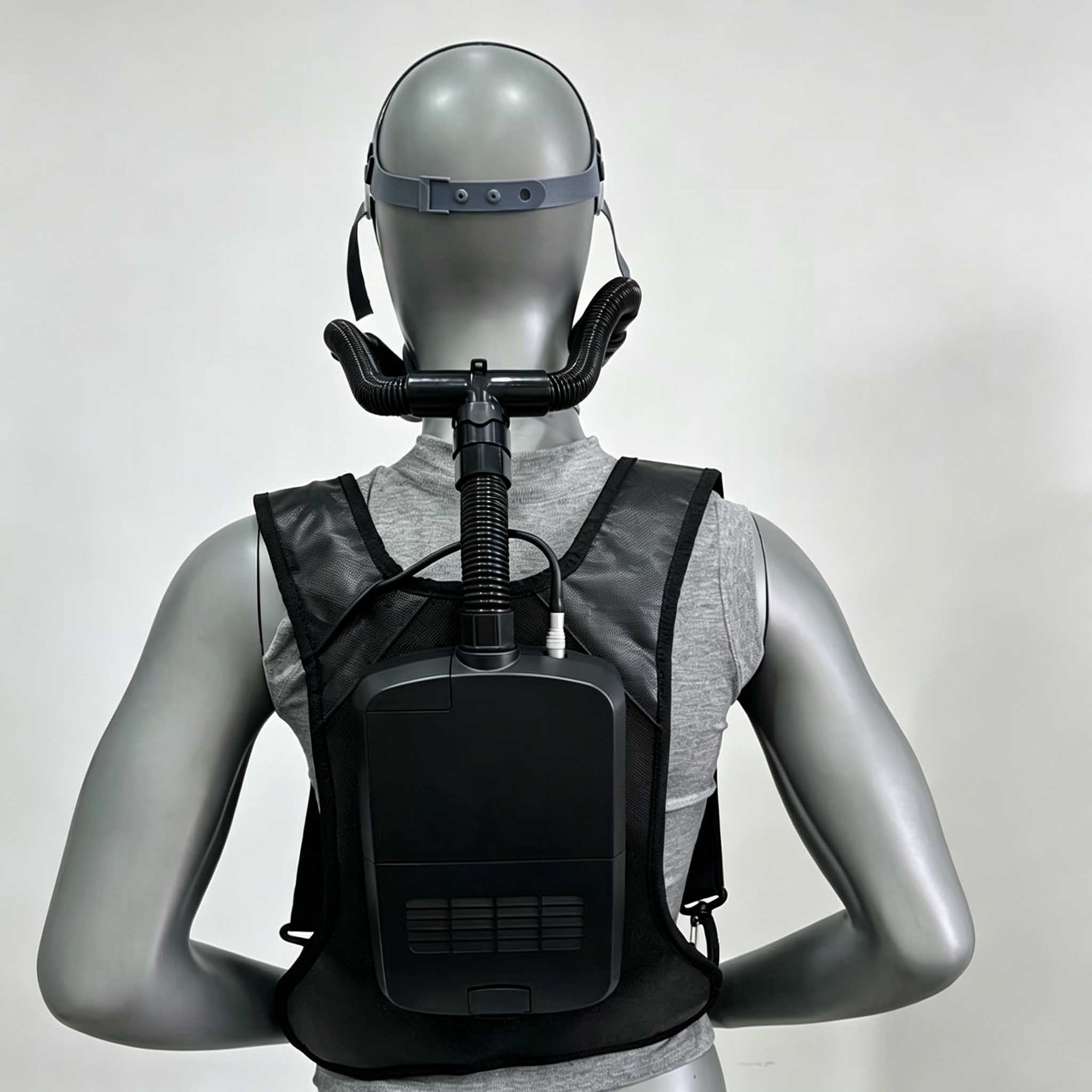
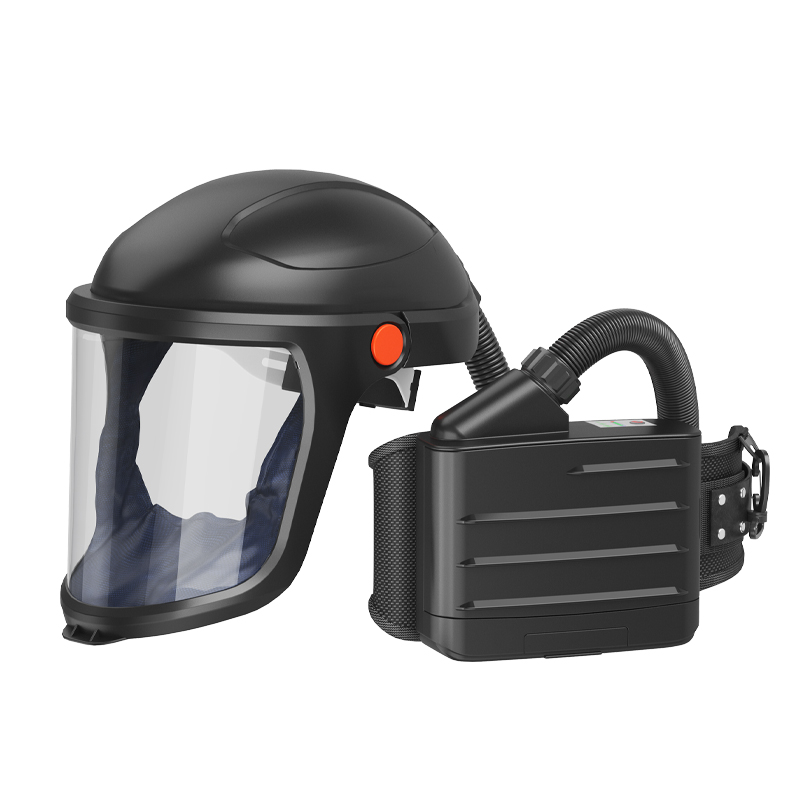
In high-risk work scenarios such as chemical engineering, metallurgy, and construction, air fed respirator serves as the "lifeline" safeguarding workers' respiratory safety. The stable operation of this system relies not only on the power output of the core fan but also on the coordinated cooperation of a series of consumable components, including spark arrestors, pre-filters, HEPA filters, and breathing tubes. However, in practical use, many enterprises encounter a tricky problem: the sizes of consumable components for PAPRs from different brands vary greatly, which directly results in incompatibility between components of different fans.Choosing incompatible parts at will not only affect system operation, but may also create serious safety hazards.
Why do consumable components of powered mask respirator from different brands have size differences? The core reason is that there is no fully unified size standard for consumables in the industry. Enterprises usually customize exclusive component size specifications based on their own fan's structural design, power parameters, and protective requirements. On one hand, fundamental parameters such as air duct diameter, interface design, and installation slot position of fans from different brands are essentially different. To achieve optimal sealing and air supply efficiency, supporting consumables must accurately match these parameters. On the other hand, some enterprises intentionally adopt differentiated size designs to build technical barriers and ensure product competitiveness, ensuring that their consumables can only be compatible with their own fans. This fundamentally eliminates the possibility of cross-brand compatibility.
The most representative examples of compatibility issues are spark arrestors and pre-filters. As a key component preventing sparks from entering the fan and causing hazards, spark arrestors vary significantly among different brands in terms of outer diameter, inner mesh aperture, and connecting thread specifications with the fan. A spark arrestor for a fan of Brand A may use an M20 threaded interface with an outer diameter of 35mm, while Brand B's may have an M18 thread and an outer diameter of 32mm. Forced replacement will not only fail to tighten and fix the component but also leave gaps leading to spark leakage. Pre-filters also have obvious size differences: some brands adopt a circular design with a diameter of 150mm, matching the annular slot of their own fans; others have a square structure with a side length of 145mm, paired with a snap-on installation. These two types are completely incompatible with each other.
Compatibility challenges with HEPA filters and breathing tubes are even more directly related to the core effect of respiratory protection. As a key component for filtering fine particles, HEPA filters differ in sealing edge width, installation depth, and docking method with the fan. For example, the sealing edge width of Brand A's HEPA filter is 8mm and the installation depth is 20mm, while the corresponding dimensions of Brand B are 10mm and 18mm. Even if it is barely installed, the poor sealing will cause unfiltered air to leak, significantly reducing the protection level. Breathing tubes also have prominent compatibility issues: different brands have differences in interface diameter and thread design. Some use quick-plug interfaces, while others adopt screw-lock interfaces. Mixing them not only causes abnormal air supply resistance but also may suddenly fall off during operation, triggering safety accidents.
Incompatible components bring not only inconvenience in use but also multiple hidden risks. To save costs, many enterprises try to purchase non-original "universal accessories", which often leads to increased fan operation noise, reduced air supply efficiency, and even fan shutdown due to component jamming. More seriously, inappropriate filter components cannot effectively block harmful substances, which may cause workers to inhale dust and toxic gases; breathing tubes with poor sealing will allow external pollutants to seep in, rendering the PAPR completely ineffective. The root cause of these problems lies in ignoring the uniqueness of consumable sizes for PAPRs of different brands and equating "universal" with "compatible".
To address the compatibility challenges of powered air supply respirator consumables, enterprises and workers should establish a sense of "accurate matching". When replacing components, first check the brand and model of the fan, and give priority to original supporting consumables to ensure that the size, interface, and sealing performance are fully compatible. If changing brands, consult the supplier in advance to confirm the compatibility of new components with existing fans, and conduct on-site tests if necessary. After all, the protective effect of PAPR depends on the precise coordination of each component. Only by rejecting compromised compatibility can this "lifeline of protection" truly play its role and lay a solid foundation for work safety.If you want know more,please click www.newairsafety.com.
Read More





 IPv6 network supported