inquiry
Leave A Message
If you are interested in our products and want to know more details,please leave a message here,we will reply you as soon as we can.
submit
Bengbu Longkai Welding Protection Technology Co.,Ltd.
Home

full face respirator papr

full face respirator papr

  • Why PAPR Is Indispensable for Sanding and Polishing Operations
    Why PAPR Is Indispensable for Sanding and Polishing Operations
    Dec 24, 2025
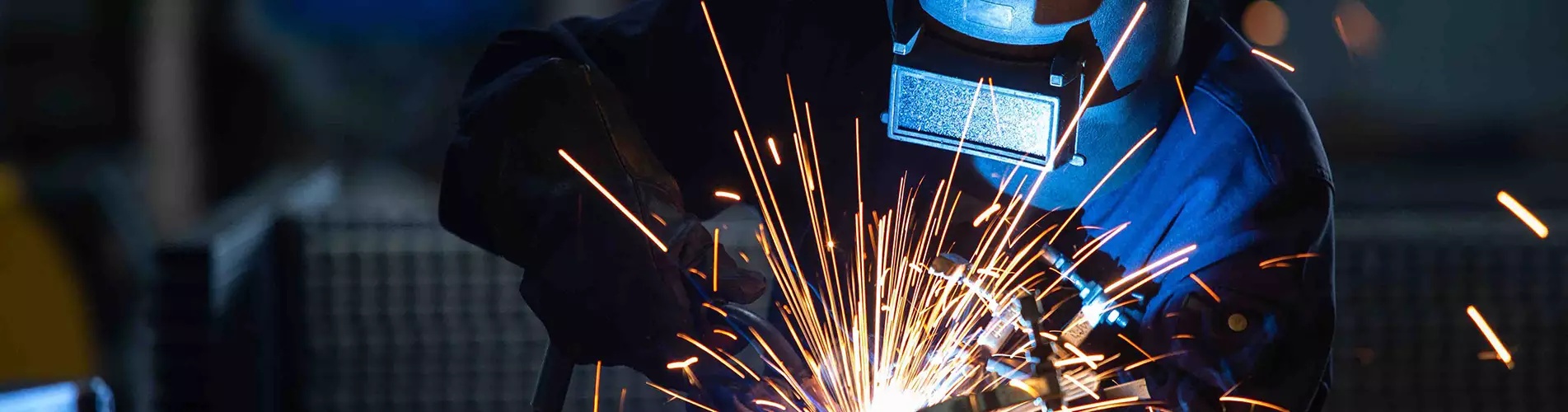
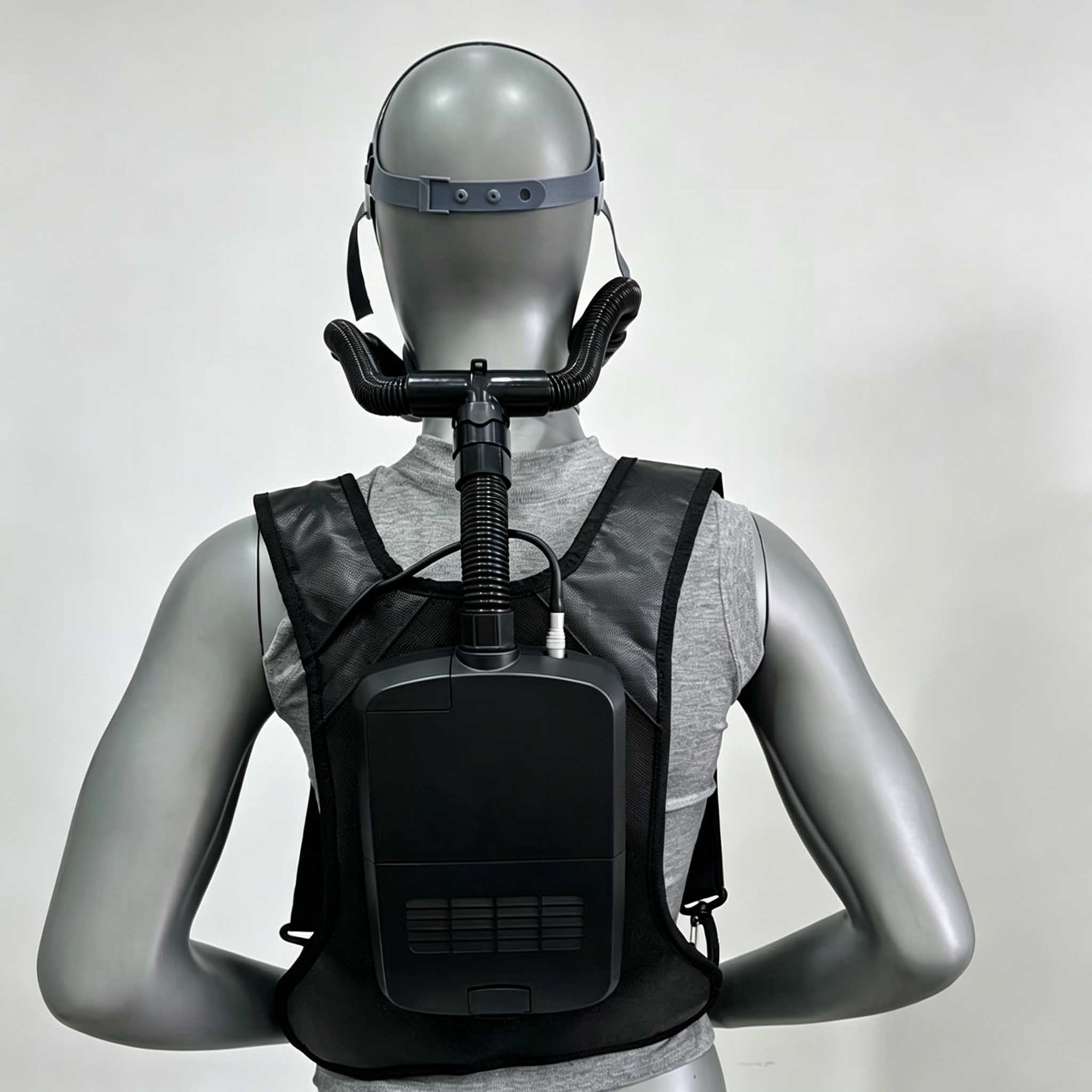
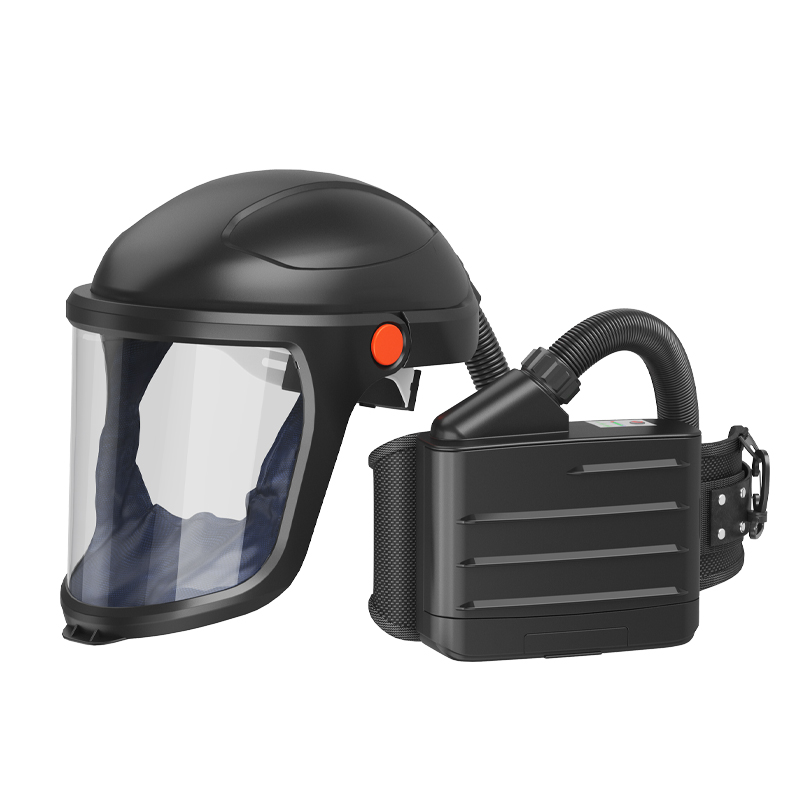
      Sanding and polishing are ubiquitous processes in manufacturing, construction, automotive repair, and woodworking, tasked with refining surfaces to meet precision or aesthetic standards. Yet beneath the seemingly routine nature of these operations lies a hidden hazard: airborne contaminants that pose severe risks to workers’ health. From fine wood dust and metal particles to toxic fumes from polishing compounds, the pollutants generated during sanding and polishing can penetrate deep into the respiratory system, leading to chronic illnesses over time. This is where loose fitting powered air purifying respirators step in as a critical line of defense. Unlike conventional respirators, PAPR offers superior protection, comfort, and usability—making it not just a recommended tool, but an essential one for anyone engaged in sanding and polishing work.   The primary threat driving the need for PAPR in sanding and polishing is the nature of the airborne particles produced. Sanding, whether on wood, metal, or composite materials, generates ultrafine dust particles (often smaller than 10 micrometers) that easily bypass the body’s natural respiratory defenses. For example, wood dust is classified as a carcinogen by the International Agency for Research on Cancer (IARC), linked to nasal cavity and sinus cancers. Metal dust from polishing aluminum, steel, or stainless steel can cause metal fume fever, lung fibrosis, or even neurological damage if lead or cadmium particles are present. Conventional disposable masks or half-face respirators often fail to seal properly during the repetitive, dynamic movements of sanding and polishing, allowing these harmful particles to leak in. PAPR, by contrast, uses a battery-powered blower to deliver filtered air to the user’s face, creating a positive pressure environment that prevents contaminated air from entering the respirator.   Comfort and wearability are another key reason Powered Air Purifying Respirator TH3 is essential for long-duration sanding and polishing tasks. Many sanding and polishing jobs require workers to spend hours in awkward positions, bending, reaching, or leaning over workpieces. Conventional respirators rely on the user’s lung power to draw air through filters, which can cause fatigue, shortness of breath, and discomfort—leading workers to remove the respirator altogether, putting themselves at risk. PAPR’s powered air delivery eliminates this breathing resistance, providing a continuous flow of cool, filtered air that keeps workers comfortable even during extended shifts. Additionally, PAPR hoods or face shields offer full-face protection, shielding not just the respiratory system but also the eyes and skin from flying debris, chemical splatters, and irritant dust—hazards that are common in polishing operations using harsh compounds.   The variability of sanding and polishing environments further underscores the need for PAPR’s versatile protection. Different materials and processes generate different types of contaminants: sanding wood produces organic dust, while polishing metal may release both particles and toxic fumes (e.g., hexavalent chromium from stainless steel polishing). PAPR systems can be equipped with a range of filter cartridges tailored to specific hazards—from particulate filters for dust to combination filters that capture both particles and gases/vapors. This adaptability ensures that workers are protected regardless of the material being processed. In contrast, conventional respirators are often limited to specific contaminant types and may not provide adequate protection when processes or materials change, a common scenario in many workshops.   Regulatory compliance and workplace safety standards also mandate the use of appropriate respiratory protection for sanding and polishing operations. Occupational Safety and Health Administration (OSHA) in the U.S., for example, sets strict limits on permissible exposure levels (PELs) for airborne contaminants like wood dust, metal particles, and hexavalent chromium. Failure to meet these standards can result in hefty fines, legal liabilities, and, more importantly, harm to workers. Full face powered air purifying respirator not only meets or exceeds these regulatory requirements but also provides a more reliable level of protection than many conventional respirators. Employers who invest in PAPR are not just complying with the law—they are demonstrating a commitment to worker safety and reducing the risk of costly workplace injuries and illnesses.   In conclusion, sanding and polishing operations present unique and significant respiratory hazards that demand a robust protection solution. PAPR’s superior filtration, positive pressure design, comfort, versatility, and compliance with safety standards make it indispensable for these tasks. While conventional respirators may seem like a more cost-effective option upfront, the long-term costs of worker illness, regulatory penalties, and lost productivity far outweigh the investment in PAPR. For anyone involved in sanding and polishing—whether as an employer or a worker—choosing PAPR is not just a practical decision, but a necessary one to safeguard health and ensure safe, sustainable operations.If you want know more, please click www.newairsafety.com.
    Read More

  • CE Testing Requirements for Powered Air Purifying Respirators (PAPRs)
    CE Testing Requirements for Powered Air Purifying Respirators (PAPRs)
    Jul 30, 2025
    When it comes to personal protective equipment (PPE) designed to safeguard workers from harmful airborne contaminants, Powered Air Purifying Respirators (PAPRs) stand out as critical tools in industries ranging from manufacturing to healthcare. But to enter the European market, these life-saving devices must meet stringent CE certification requirements. Let’s break down the key testing standards and obligations that manufacturers need to know. ​ Understanding the Regulatory Framework​   First, it’s essential to recognize where PAPRs fit within EU regulations. As devices designed to protect users from respiratory hazards—including dust, fumes, and toxic gases—PAPRs are classified as Category III PPE under Regulation (EU) 2016/425. This classification applies to high-risk equipment where failure could result in serious injury or death, meaning compliance is non-negotiable. ​ Category III PPE requires rigorous testing and oversight by a Notified Body—an EU-accredited organization authorized to verify compliance. Self-declaration is not sufficient here; third-party validation is mandatory.​   Core Standards: EN 12941 and Beyond​   The backbone of CE testing for PAPRs is EN 12941:2001+A1:2009, the European standard specifically governing powered air-purifying respirators. This standard outlines performance, safety, and design criteria, while additional standards address specific components like filters and batteries. Let’s dive into the key testing areas: ​ 1. Airflow Performance: Ensuring Reliable Protection ​ At the heart of a PAPR’s functionality is its ability to deliver a consistent supply of filtered air. Testing here focuses on:​ Minimum airflow rates: For half-masks, the minimum is 160 L/min; for full facemasks, it’s 170 L/min. These rates must remain stable within a 10% tolerance during 30 minutes of continuous operation.​ Positive pressure maintenance: The respirator must maintain a positive pressure (≥20 Pa) inside the mask to prevent unfiltered air from leaking in—even if there’s a small gap (10% leakage) between the mask and the user’s face.​ Flow stability under varying conditions: Tests simulate different breathing rates (from 15 breaths/min at rest to 40 breaths/min during heavy work) to ensure airflow doesn’t drop dangerously.​   2. Protective Efficacy: Blocking Harmful Substances ​ A PAPR’s primary job is to filter out contaminants, so testing verifies both the device’s seal and the performance of its filters:​ Total leakage testing: Using aerosols (like sodium chloride or DOP), testers measure how much unfiltered air enters the mask. For the highest protection levels, total leakage must be ≤0.05%.​ Filter compatibility: Filters must meet standards like EN 149 (for particulate filters) or EN 14387 (for gas/vapor filters). For example, a P100 filter must capture ≥99.97% of 0.3μm particles.​ Seal integrity: The connection between the filter and PAPR host is tested for pressure decay—allowing no more than 50 Pa loss per minute to ensure no bypass.​   3. Mechanical and Structural Safety ​ PAPRs must withstand harsh working conditions without compromising user safety:​ Material durability: Components like masks and hoses undergo extreme temperature cycles (-30°C to +70°C) and UV exposure (72 hours) to check for cracking or deformation.​ Strength testing: Straps, mask attachments, and filter connections must resist forces like 150N (for head straps) and 50N (for filter interfaces) without breaking.​ Impact resistance: Full facemask lenses are tested with a 120g steel ball dropped from 1.3 meters to ensure they don’t shatter.​ 4. Electrical Safety: Powering Protection Safely ​ Since PAPRs rely on motors and batteries, electrical safety is paramount:​ Insulation and grounding: Motors must withstand 2500V AC for 1 minute without breakdown, and metal components must have a ground resistance ≤0.1Ω.​ Battery performance: Batteries (often lithium-ion) must pass EN 62133 tests, including short-circuit, overcharge, and crush scenarios, with no fire or explosion risk. They must also provide at least 4 hours of runtime at rated flow.​ EMC compliance: To avoid interference from tools or radios, PAPRs must meet EN 61000 standards for electromagnetic compatibility.​ 5. Durability and Environmental Adaptability ​ PAPRs are built for long-term use, so testing ensures they stand the test of time:​ Aging tests: Motors run continuously for 500 hours with ≤10% airflow loss, while batteries retain ≥80% capacity after 300 charge cycles.​ Extreme environment performance: Devices must operate in -30°C cold and 40°C/90% humidity without airflow drops or electrical failures.​ Special Cases: Tailoring to Unique Environments​ Certain industries demand extra testing:​ Medical settings: PAPRs used in healthcare must meet EN 14683 for biocompatibility (e.g., no skin irritation) and may require antimicrobial coatings.​ Explosive environments: For use in zones with flammable gases, PAPRs need ATEX certification (EN 13463) to prevent sparks or static discharge.​​   CE testing for best powered air purifying respirator is rigorous, but it’s rooted in a simple goal: ensuring these devices protect users when they need it most. By adhering to EN 12941 and related standards, manufacturers not only gain access to the  EU market but also demonstrate a commitment to safety that builds trust with workers and employers alike.
    Read More

leave a message

leave a message
If you are interested in our products and want to know more details,please leave a message here,we will reply you as soon as we can.
submit
Contact Us: sales@txhyfh.com

home

products

WhatsApp

Contact us