Dec 24, 2025
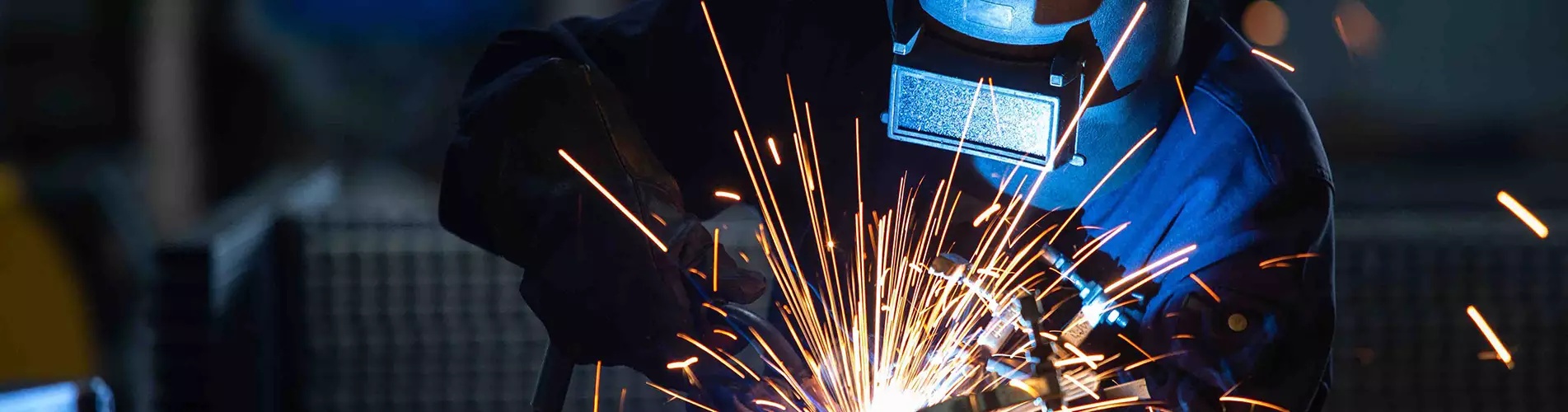
Sanding and polishing are ubiquitous processes in manufacturing, construction, automotive repair, and woodworking, tasked with refining surfaces to meet precision or aesthetic standards. Yet beneath the seemingly routine nature of these operations lies a hidden hazard: airborne contaminants that pose severe risks to workers’ health. From fine wood dust and metal particles to toxic fumes from polishing compounds, the pollutants generated during sanding and polishing can penetrate deep into the respiratory system, leading to chronic illnesses over time. This is where loose fitting powered air purifying respirators step in as a critical line of defense. Unlike conventional respirators, PAPR offers superior protection, comfort, and usability—making it not just a recommended tool, but an essential one for anyone engaged in sanding and polishing work.
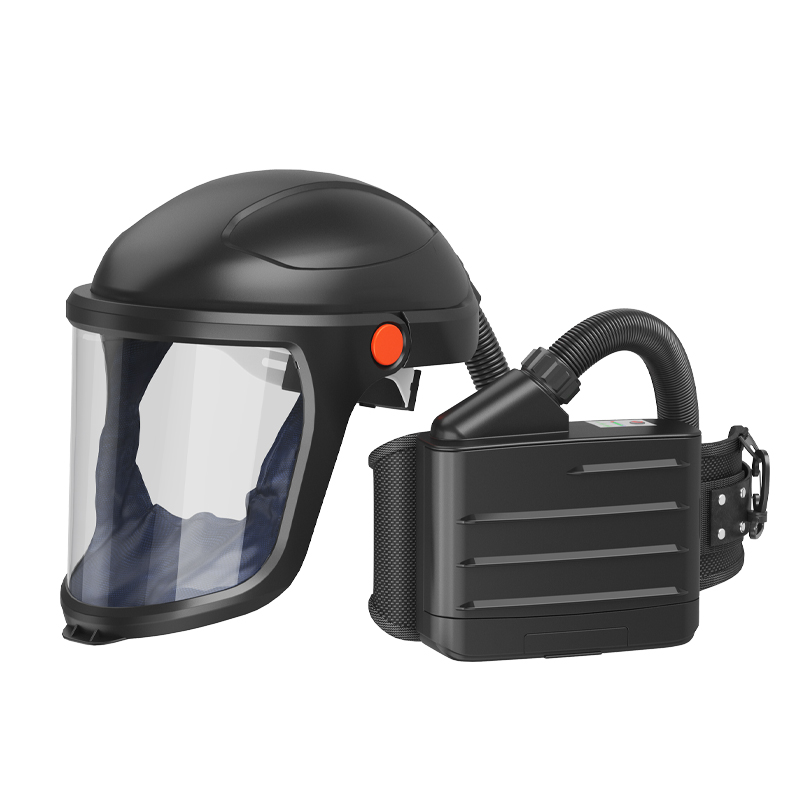
The primary threat driving the need for PAPR in sanding and polishing is the nature of the airborne particles produced. Sanding, whether on wood, metal, or composite materials, generates ultrafine dust particles (often smaller than 10 micrometers) that easily bypass the body’s natural respiratory defenses. For example, wood dust is classified as a carcinogen by the International Agency for Research on Cancer (IARC), linked to nasal cavity and sinus cancers. Metal dust from polishing aluminum, steel, or stainless steel can cause metal fume fever, lung fibrosis, or even neurological damage if lead or cadmium particles are present. Conventional disposable masks or half-face respirators often fail to seal properly during the repetitive, dynamic movements of sanding and polishing, allowing these harmful particles to leak in. PAPR, by contrast, uses a battery-powered blower to deliver filtered air to the user’s face, creating a positive pressure environment that prevents contaminated air from entering the respirator.
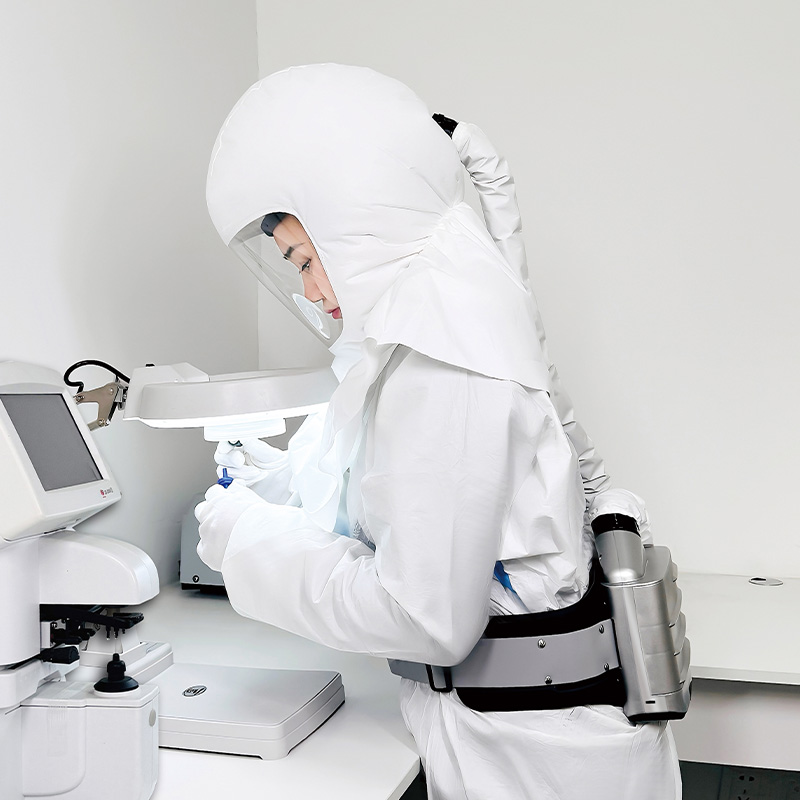
Comfort and wearability are another key reason Powered Air Purifying Respirator TH3 is essential for long-duration sanding and polishing tasks. Many sanding and polishing jobs require workers to spend hours in awkward positions, bending, reaching, or leaning over workpieces. Conventional respirators rely on the user’s lung power to draw air through filters, which can cause fatigue, shortness of breath, and discomfort—leading workers to remove the respirator altogether, putting themselves at risk. PAPR’s powered air delivery eliminates this breathing resistance, providing a continuous flow of cool, filtered air that keeps workers comfortable even during extended shifts. Additionally, PAPR hoods or face shields offer full-face protection, shielding not just the respiratory system but also the eyes and skin from flying debris, chemical splatters, and irritant dust—hazards that are common in polishing operations using harsh compounds.
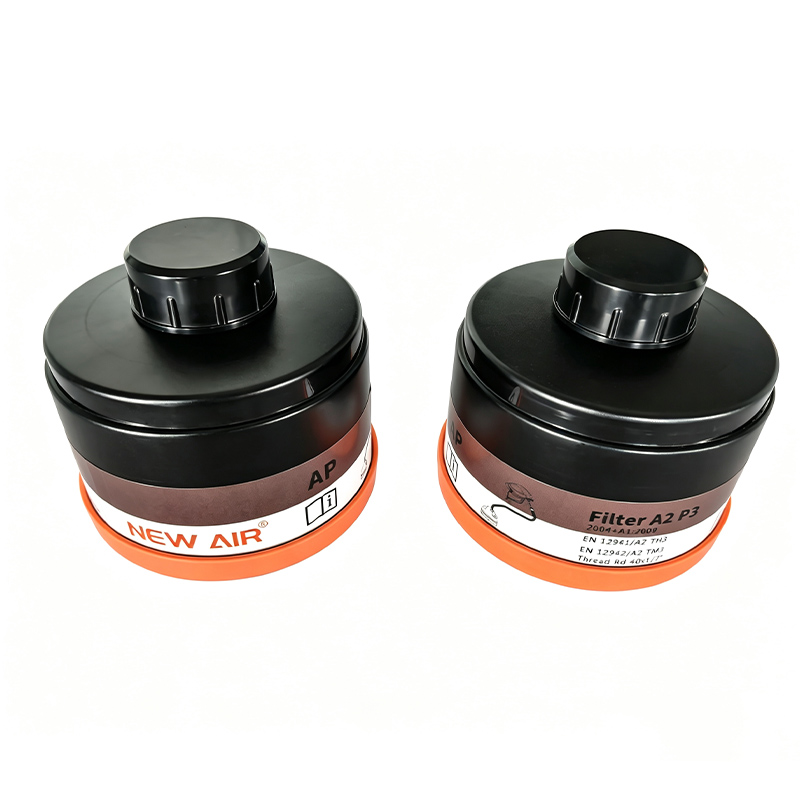
The variability of sanding and polishing environments further underscores the need for PAPR’s versatile protection. Different materials and processes generate different types of contaminants: sanding wood produces organic dust, while polishing metal may release both particles and toxic fumes (e.g., hexavalent chromium from stainless steel polishing). PAPR systems can be equipped with a range of filter cartridges tailored to specific hazards—from particulate filters for dust to combination filters that capture both particles and gases/vapors. This adaptability ensures that workers are protected regardless of the material being processed. In contrast, conventional respirators are often limited to specific contaminant types and may not provide adequate protection when processes or materials change, a common scenario in many workshops.
Regulatory compliance and workplace safety standards also mandate the use of appropriate respiratory protection for sanding and polishing operations. Occupational Safety and Health Administration (OSHA) in the U.S., for example, sets strict limits on permissible exposure levels (PELs) for airborne contaminants like wood dust, metal particles, and hexavalent chromium. Failure to meet these standards can result in hefty fines, legal liabilities, and, more importantly, harm to workers. Full face powered air purifying respirator not only meets or exceeds these regulatory requirements but also provides a more reliable level of protection than many conventional respirators. Employers who invest in PAPR are not just complying with the law—they are demonstrating a commitment to worker safety and reducing the risk of costly workplace injuries and illnesses.
In conclusion, sanding and polishing operations present unique and significant respiratory hazards that demand a robust protection solution. PAPR’s superior filtration, positive pressure design, comfort, versatility, and compliance with safety standards make it indispensable for these tasks. While conventional respirators may seem like a more cost-effective option upfront, the long-term costs of worker illness, regulatory penalties, and lost productivity far outweigh the investment in PAPR. For anyone involved in sanding and polishing—whether as an employer or a worker—choosing PAPR is not just a practical decision, but a necessary one to safeguard health and ensure safe, sustainable operations.If you want know more, please click www.newairsafety.com.
Read More




 IPv6 network supported