inquiry
Leave A Message
If you are interested in our products and want to know more details,please leave a message here,we will reply you as soon as we can.
submit
Bengbu Longkai Welding Protection Technology Co.,Ltd.
Home

papr respirator system

papr respirator system

  • PAPR for Lead-Acid Batteries & Recycling
    PAPR for Lead-Acid Batteries & Recycling
    Jan 22, 2026
      Lead-acid battery manufacturing and lead recycling are high-risk operations, with pervasive lead-containing pollutants such as lead fumes (particle size ≤0.1μm), lead dust (particle size >0.1μm), and sulfuric acid mist in certain processes. These contaminants pose severe threats to workers' respiratory health—chronic lead inhalation can cause irreversible damage to the nervous system, kidneys, and hematopoietic system, while sulfuric acid mist irritates the respiratory tract and corrodes tissues. Papr system with their positive-pressure design that minimizes leakage and reduces breathing fatigue during long shifts, outperform traditional negative-pressure respirators in high-exposure scenarios and have become indispensable protective equipment in these industries.   In lead-acid battery manufacturing, papr system kit selection must match the specific risks of each process. Lead powder preparation, paste mixing, and plate casting generate high concentrations of lead dust and fumes, requiring high-efficiency particulate-filtering PAPRs paired with HEPA filters (filtering efficiency ≥99.97% for 0.3μm particles) to capture fine lead particles. For automated production lines with moderate dust levels, air-fed hood-type PAPRs are ideal—they eliminate the need for facial fit testing, enhance comfort during 6-8 hour shifts, and integrate seamlessly with protective clothing. In the formation process where sulfuric acid mist is prevalent, combined-filtering PAPRs (dual filtration for particulates and acid gases) are mandatory, using chemical adsorption elements to neutralize acidic vapors and prevent corrosion of respiratory tissues.   Lead recycling processes such as battery crushing, desulfurization, and smelting present more complex risks, demanding specialized powered air respirator tailored to the scenario. Mechanical crushing and sorting release mixed lead dust and plastic particles, requiring durable PAPRs with reliable filtration systems and dust-proof enclosures (IP65 protection rating recommended) to withstand harsh operating environments. Smelting operations produce high-temperature lead fumes, sulfur dioxide, and in some cases, dioxins, thus necessitating heat-resistant combined-filtering PAPRs with dual filter elements. These systems must filter both particulates and toxic gases, and the hood design should be resistant to thermal deformation and compatible with flame-retardant protective gear for comprehensive safety.   Practical details in daily use directly affect the protective effectiveness of PAPRs and worker compliance. For mobile operations (e.g., on-site recycling), battery-powered portable PAPRs are preferred, equipped with replaceable batteries to ensure uninterrupted protection throughout an 8-hour workday. Equipment materials must be resistant to common disinfectants such as hydrogen peroxide to facilitate daily decontamination and avoid cross-contamination between shifts. Regular maintenance is indispensable: particulate filters should be replaced promptly when resistance increases, gas filters within 6 months of opening, and PAPR systems calibrated quarterly to ensure positive pressure and air flow rate (minimum 95 L/min for full-face models) comply with standard requirements.   Beyond equipment selection, establishing a comprehensive respiratory protection system is equally critical. Priority should be given to automated processes and enclosed systems to reduce exposure at the source, with PAPRs serving as the key final line of defense. By integrating standard-compliant, process-adapted PAPRs with sound safety protocols, lead-acid battery manufacturing and lead recycling enterprises can protect worker health, meet regulatory requirements, and promote sustainable industry practices.If you want know more, please click www.newairsafety.com.
    Read More

  • PAPR Filter Replacement Guide for Welding
    PAPR Filter Replacement Guide for Welding
    Nov 24, 2025
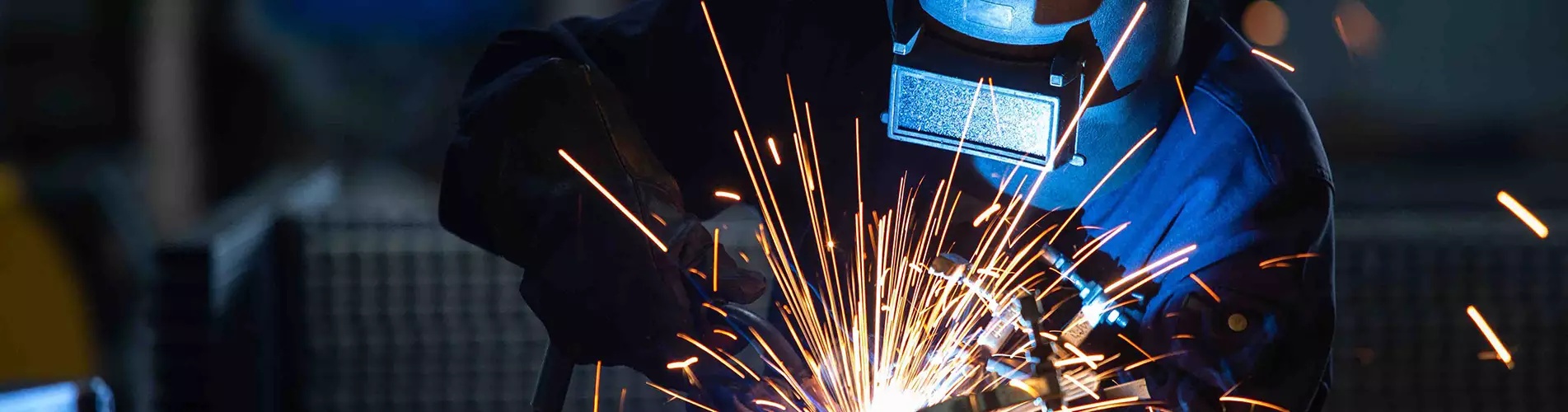
      The Powered Air-Purifying Respirator is a critical piece of protective equipment for welding operations. The replacement cycles of its core components—spark arrestor, pre-filter, and HEPA filter—in a PAPR directly determine the effectiveness of protection and operational safety. This article outlines key replacement guidelines for these three essential components in standard welding environments where a PAPR is used. A standard welding environment (characterized by good ventilation, 8-hour single-shift operation, and primarily carbon steel/stainless steel welding) generates large amounts of fumes, sparks, and metal particles. The three components in a PAPR achieve purification through "layered interception": the spark arrestor blocks sparks and welding slag, the pre-filter traps medium and coarse particles, and the HEPA filter removes fine harmful particles. Overusing these components can lead to fires, poor air supply, or occupational diseases, making proper replacement for the PAPR crucial.   The basic replacement cycles and judgment criteria for the three components in a PAPR differ: The spark arrestor should be replaced every 1-3 months. If visual inspection reveals holes, deformation, or welding slag blockage in the filter screen, immediate replacement is required, and cleaning for reuse in the PAPR is prohibited. As the "first line of defense," the pre-filter has the highest replacement frequency—every 2-4 weeks in standard environments. It must be replaced immediately if it turns noticeably black, accumulates more than 1mm of dust, or triggers the PAPR's resistance alarm. Washable models can be reused no more than 3 times. The HEPA filter, the core purification layer of the PAPR, should be replaced every 3-6 months. Prompt replacement is necessary if the PAPR alarms, welding odors are detected, or breathing resistance increases, and cleaning is not allowed.   Routine maintenance of your PAPR can extend component lifespan without compromising protection: Clean residual fumes and dust from the powered respirator mask and air inlet after each shift; remove welding slag from the PAPR's spark arrestor after the equipment cools down; adjust replacement cycles based on operation intensity (e.g., shorten pre-filter replacement to 1-2 weeks for high-intensity continuous welding with a PAPR); and use specialized components for special scenarios like non-ferrous metal welding, with further shortened replacement intervals for the PAPR. In summary, the core replacement cycles for PAPR components in welding environments are: spark arrestor (1-3 months, prioritize visual inspection), pre-filter (2-4 weeks, use alarm as signal), and HEPA filter (3-6 months, combine alarm and sensory judgment). These basic cycles are for reference only and should be adjusted dynamically based on on-site fume concentration and operation intensity. If you want know more,please click www.newairsafety.com.  
    Read More
  • How to Choose the Right PAPR? A Buying Guide
    How to Choose the Right PAPR? A Buying Guide
    Nov 05, 2025
      In workplaces with respiratory hazards such as chemical engineering, mining, powered air-purifying respirators (PAPRs) are key equipment for safeguarding health. Compared with traditional masks, they offer more stable protection and greater wearing comfort. However, the market is flooded with a wide range of products, so mastering core selection methods is essential to find the right fit.   Clarifying the work scenario is the first step. For dust-prone environments like mines and construction sites, prioritize PAPRs equipped with N95 or higher-grade filter cotton. For scenarios involving hazardous gases such as chemical industry, it is necessary to match corresponding gas cartridges and ensure the protection range matches the type of pollutants. For special environments with humidity, high temperature or electrostatic risks, pay attention to the product's waterproof, high-temperature resistant and anti-static properties.   Core performance parameters are key considerations. Filtration efficiency must meet international standards ( US NIOSH, EU CE), ensuring no less than 95% filtration efficiency for target pollutants. For high-risk scenarios, 99.9% high-efficiency filters are recommended. For continuous operations over 8 hours, choose models with replaceable batteries or fast-charging function to avoid protection gaps caused by power outages.   Wearing comfort and adaptability directly affect user acceptance and compliance. For hooded PAPRs, the weight should preferably be controlled within 1.5 kg, while face-mask types are lighter and won't cause neck fatigue during long-term wear. Fit is also crucial—select styles with adjustable headbands and soft face seals to ensure a snug fit for different head shapes. Meanwhile, check the field of vision to avoid obstructing operational vision. Brand qualifications and after-sales service are essential guarantees. Avoid unqualified products from small manufacturers for low prices; prioritize brands with rich R&D experience in protective equipment and authoritative certifications (such as CE, national standard testing certificates). Confirm sufficient supply of consumables like filter cotton, and check if the brand provides on-site commissioning, staff training and fault repair services.   Additionally, ensure the product supports regular calibration, as papr respirator system performance degrades over time, and calibration maintains protection effectiveness.   Finally, it's important to note that there is no "one-size-fits-all" PAPR, only "suitable models". Before purchasing, investigate frontline needs and conduct trial wears if necessary. Establish a sound usage management system, including regular replacement of filters, battery maintenance and staff operation training, to ensure the PAPR truly exerts its protective effect.If you want know more, please click  www.newairsafety.com.
    Read More
leave a message

leave a message
If you are interested in our products and want to know more details,please leave a message here,we will reply you as soon as we can.
submit
Contact Us: sales@txhyfh.com

home

products

WhatsApp

Contact us