Jan 22, 2026
Lead-acid battery manufacturing and lead recycling are high-risk operations, with pervasive lead-containing pollutants such as lead fumes (particle size ≤0.1μm), lead dust (particle size >0.1μm), and sulfuric acid mist in certain processes. These contaminants pose severe threats to workers' respiratory health—chronic lead inhalation can cause irreversible damage to the nervous system, kidneys, and hematopoietic system, while sulfuric acid mist irritates the respiratory tract and corrodes tissues. Papr system with their positive-pressure design that minimizes leakage and reduces breathing fatigue during long shifts, outperform traditional negative-pressure respirators in high-exposure scenarios and have become indispensable protective equipment in these industries.
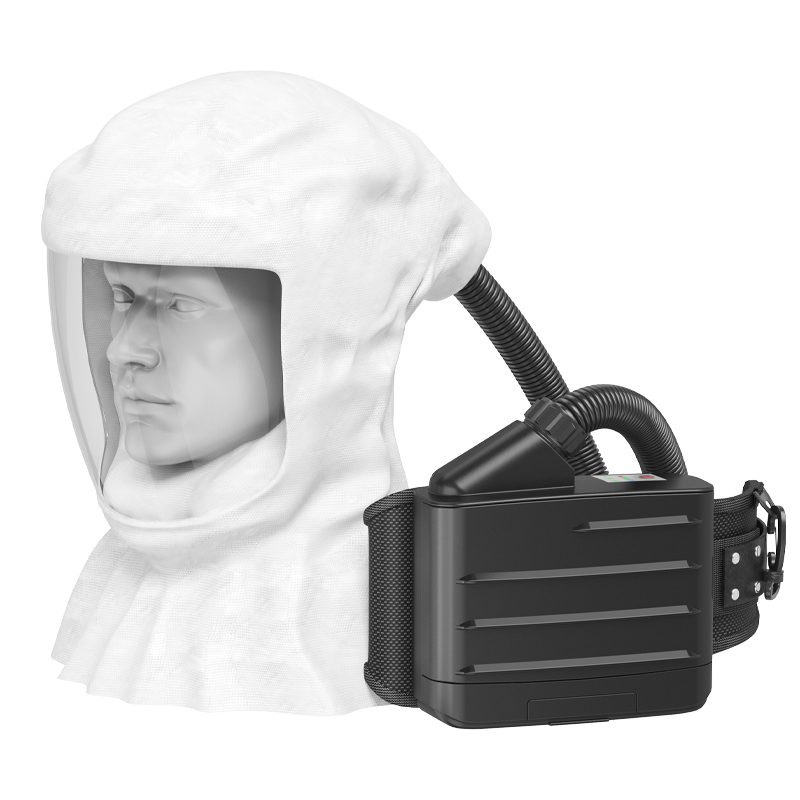
In lead-acid battery manufacturing, papr system kit selection must match the specific risks of each process. Lead powder preparation, paste mixing, and plate casting generate high concentrations of lead dust and fumes, requiring high-efficiency particulate-filtering PAPRs paired with HEPA filters (filtering efficiency ≥99.97% for 0.3μm particles) to capture fine lead particles. For automated production lines with moderate dust levels, air-fed hood-type PAPRs are ideal—they eliminate the need for facial fit testing, enhance comfort during 6-8 hour shifts, and integrate seamlessly with protective clothing. In the formation process where sulfuric acid mist is prevalent, combined-filtering PAPRs (dual filtration for particulates and acid gases) are mandatory, using chemical adsorption elements to neutralize acidic vapors and prevent corrosion of respiratory tissues.
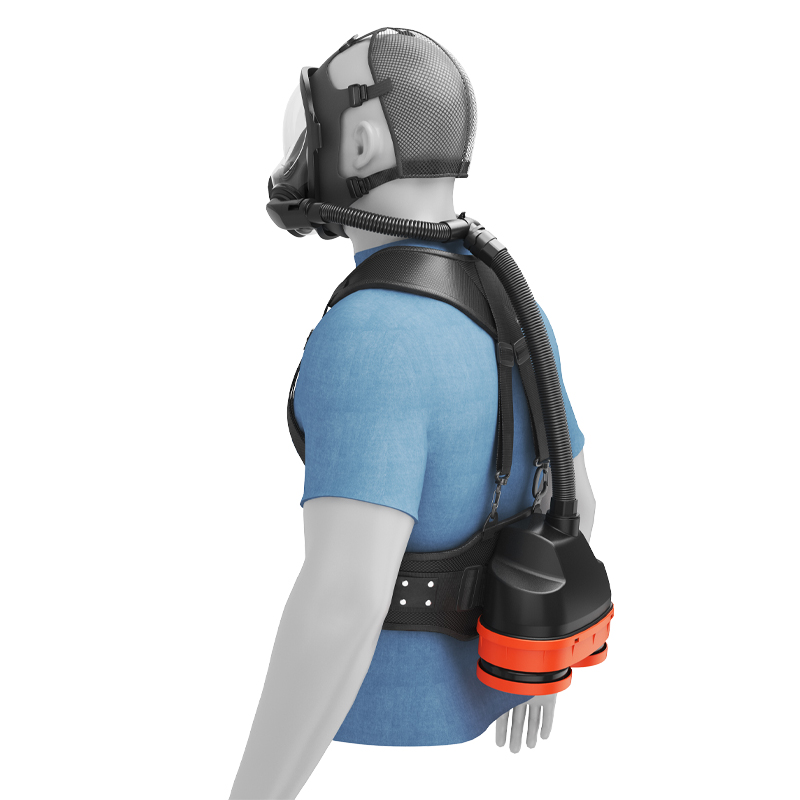
Lead recycling processes such as battery crushing, desulfurization, and smelting present more complex risks, demanding specialized powered air respirator tailored to the scenario. Mechanical crushing and sorting release mixed lead dust and plastic particles, requiring durable PAPRs with reliable filtration systems and dust-proof enclosures (IP65 protection rating recommended) to withstand harsh operating environments. Smelting operations produce high-temperature lead fumes, sulfur dioxide, and in some cases, dioxins, thus necessitating heat-resistant combined-filtering PAPRs with dual filter elements. These systems must filter both particulates and toxic gases, and the hood design should be resistant to thermal deformation and compatible with flame-retardant protective gear for comprehensive safety.
Practical details in daily use directly affect the protective effectiveness of PAPRs and worker compliance. For mobile operations (e.g., on-site recycling), battery-powered portable PAPRs are preferred, equipped with replaceable batteries to ensure uninterrupted protection throughout an 8-hour workday. Equipment materials must be resistant to common disinfectants such as hydrogen peroxide to facilitate daily decontamination and avoid cross-contamination between shifts. Regular maintenance is indispensable: particulate filters should be replaced promptly when resistance increases, gas filters within 6 months of opening, and PAPR systems calibrated quarterly to ensure positive pressure and air flow rate (minimum 95 L/min for full-face models) comply with standard requirements.
Beyond equipment selection, establishing a comprehensive respiratory protection system is equally critical. Priority should be given to automated processes and enclosed systems to reduce exposure at the source, with PAPRs serving as the key final line of defense. By integrating standard-compliant, process-adapted PAPRs with sound safety protocols, lead-acid battery manufacturing and lead recycling enterprises can protect worker health, meet regulatory requirements, and promote sustainable industry practices.If you want know more, please click www.newairsafety.com.
Read More




 IPv6 network supported