inquiry
Leave A Message
If you are interested in our products and want to know more details,please leave a message here,we will reply you as soon as we can.
submit
Bengbu Longkai Welding Protection Technology Co.,Ltd.
Home

powered air respirator

powered air respirator

  • Why Test PAPR Inward Leakage When Powered Off?
    Why Test PAPR Inward Leakage When Powered Off?
    Sep 11, 2026
    PAPR, or Powered Air-Purifying Respirator, relies on its built-in blower to deliver filtered, clean air into a headpiece or face mask. It is a critical piece of personal protective equipment for work environments with industrial dust and hazardous particulate matter. Many users assume that protection is guaranteed as long as the blower runs normally. However, for PAPR systems paired with tight-fitting headpieces, inward leakage testing under power-off conditions is an indispensable part of full system validation. When the purifying respirator blower operates normally, it maintains positive pressure inside the headpiece. This positive pressure blocks external contaminants from seeping through gaps between the face seal and skin, which forms the core protective mechanism of a PAPR. If the blower unexpectedly loses power, the battery drains completely, or the unit malfunctions, this internal positive pressure disappears instantly. Without continuous airflow supporting the tight-fitting headpiece, harmful aerosols and dust from the surrounding environment can penetrate through the seal interface. At this point, the inward leakage rate directly determines the level of exposure risk for the wearer the moment the unit shuts down.   A common misconception among users is that a tight-fitting headpiece, which seals firmly against the face, will perform like a conventional negative-pressure gas mask even after the blower stops. But these two designs serve fundamentally different purposes. The sealing structure of a respiratory papr tight-fitting headpiece is engineered primarily to work with internal positive pressure; it is not independently designed to meet the sealing requirements of negative-pressure respirators. When the blower stops, the wearer's breathing creates negative pressure inside the headpiece, drawing environmental contaminants into the seal gaps. Without power-off inward leakage testing, we cannot quantify what proportion of pollutants will enter the headpiece when the equipment fails.   Sudden PAPR power loss is not a rare edge case in real-world operations. Long-duration work can deplete batteries, loose wiring or physical impact can all cause the blower to shut down without warning. In high-risk sites such as chemical plants, pharmaceutical facilities and heavy metal dust workshops, workers cannot evacuate immediately after a shutdown. They often need several seconds to tens of seconds to secure their work and exit the hazard zone. Power-off inward leakage testing simulates this high-risk scenario, evaluating how much residual protection the headpiece provides during blower failure and verifying whether the equipment meets on-site safety requirements. For compliance and equipment selection, power-off inward leakage data is essential for risk assessment. Relevant respiratory protection standards require performance evaluation under fault conditions, in addition to testing protection during normal air supply. This test helps compare sealing performance across different headpiece models and identify sealing defects, such as insufficient headband tension or deformed face seals. The data also supports enterprises in developing emergency protocols, defining the maximum allowable evacuation window after PAPR shutdown and clarifying emergency response procedures for staff.   In summary, powered face mask respirator protection depends on positive pressure generated by blower airflow. Power-off inward leakage testing essentially acts as a failure contingency test for protective gear. It does not assess performance under normal operation; instead, it verifies the fallback protection capacity during equipment failure. Only by confirming that inward leakage remains controllable when power is lost can we fully understand the true protection limits of the complete PAPR system, preventing hidden health hazards for field operators caused by sudden blower failure. If you want know more, please click www.newairsafety.com.
    Read More
  • H13/H14 Filter vs. PAPR: What’s the Real Difference?
    H13/H14 Filter vs. PAPR: What’s the Real Difference?
    Sep 02, 2026
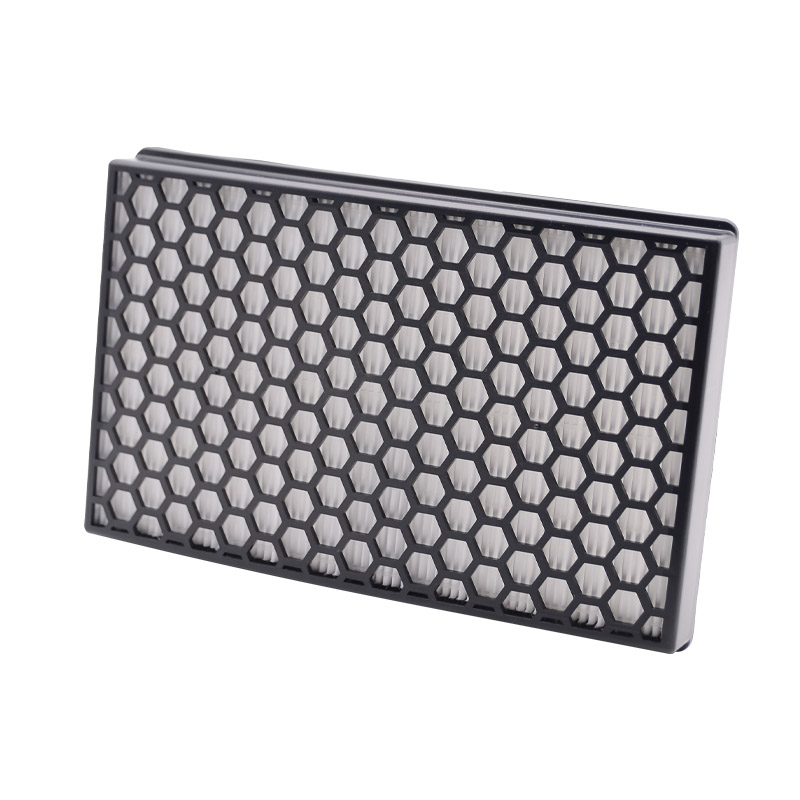
      In daily industrial respiratory protection consultations, we frequently receive questions from customers: “Do you provide H13 or H14 filters?” Many buyers and on-site operators often confuse HEPA filter grades with PAPR protective performance. In fact, H13 and H14 represent an entirely different technical standard system from battery powered air respirator equipment. They are not interchangeable products. Clarifying their core differences is essential for users to select compliant, site-matched respiratory protection solutions. H13 and H14 are HEPA filter grades defined by the EN 1822 standard, which applies to ventilation and air purification systems such as cleanrooms and HVAC equipment. This standard evaluates the particle interception efficiency of filter media under static laboratory conditions. H13 filters achieve a minimum filtration efficiency of 99.95%, while H14 filters reach 99.995%. Although H13/H14 filter media delivers excellent purification performance, the European occupational papr respirator system certification follows PPE standards EN12941 and EN12942, which do not adopt EN1822 H-grade ratings. Industrial PAPRs for workplace use strictly require P-series filters certified to EN143.   Many customers wonder whether PAPR devices can use H13 or H14 filters. Technically speaking, H13/H14 filter media can be physically installed into PAPR equipment. However, such configuration is not legally compliant for European workplace applications. EN1822 H-grade testing is conducted in static, stable ventilation environments, without simulating real PAPR working conditions, including continuous dynamic air supply, high dust load, equipment vibration, and long-term on-site wear. Even if the filter media meets H13 or H14 efficiency, the PAPR cannot obtain official PPE certification, making it unqualified for industrial operation scenarios. This explains why mainstream European PAPR products adopt P3 filters instead of H13/H14 filters. As a professional particulate filter standard for respiratory protective equipment under EN143, P3 filters offer a minimum filtration efficiency of 99.95%, equivalent to H13 grade. More importantly, P3 filters undergo comprehensive workplace-oriented tests, including dust holding capacity, airflow resistance, vibration resistance, and moisture resistance. They are professionally optimized for the dynamic air supply mode of PAPR blowers, balancing high filtration performance and stable airflow to maintain consistent positive pressure inside the facepiece during operation.   A common industry misconception is that higher filter grades equal better protection. In practice, H14 filter media features ultra-high filtration efficiency but comes with significantly increased air resistance. Directly installing H14 filters in standard PAPRs will overload the blower, reduce actual output airflow, and break the stable positive pressure inside the mask. This leads to potential leakage of polluted air and reduced overall protective performance. For most industrial dust scenarios such as metal grinding and powder handling, standard P3 filters fully meet safety protection requirements. When selecting equipment, users should prioritize official PAPR certifications rather than blindly pursuing H13/H14 filter parameters.   NEW AIR focuses on the R&D and manufacturing of professional positive pressure powered respirator protection equipment. With in-depth understanding of global market standards and customer selection pain points, we strictly comply with regional PPE regulations. Our products adopt EU-standard compliant P3 filters for European markets and matched HEPA solutions for North American regions. Every equipment and filter combination is professionally calibrated to balance filtration efficiency, operational stability and wearing comfort, providing global industrial clients with reliable, fully compliant and scenario-oriented respiratory protection solutions.If you want know more, please click www.newairsafety.com.
    Read More
  • PAPR Hard Hat: The Rigorous Testing Journey
    PAPR Hard Hat: The Rigorous Testing Journey
    Dec 01, 2025
      In the field of industrial protection, powered purified air respirator is undoubtedly a robust piece of equipment that safeguards the health of workers. As a key component of the system, the hard hat serves as the first and most crucial line of defense for head safety. Many people regard a hard hat as just an ordinary "hat", but behind its safety functions lies a series of rigorous testing processes that are almost "demanding"—each one is related to life safety and allows no carelessness.   As a key component with core safety helmet functions, the primary mission of a hard hat is to resist external impact and penetration. The stability of its performance in high and low temperature environments is a litmus test for its quality. In low-temperature environments, most materials become brittle and hard, and their impact resistance decreases significantly, which is particularly dangerous for workers operating in cold workshops or outdoor freezing environments. The low-temperature impact resistance test simulates extreme scenarios at temperatures as low as minus 20℃ or even lower. The hard hat is fixed, and an impact hammer of specified weight is dropped from a specific height. The test observes whether the hard hat can effectively absorb impact energy, ensuring that the shell does not crack, the lining does not fall off, and the force on the head is minimized.   Contrary to low-temperature environments, high-temperature environments can soften materials and reduce their strength, which also impairs the protective performance of hard hats. For the high-temperature impact resistance test, the hard hat is placed in a high-temperature chamber at over 50℃ for a constant temperature period to fully adapt to the high-temperature environment, and then the impact test process is repeated. This test is mainly targeted at working scenarios such as metallurgy, casting, and high-temperature baking. It ensures that the hard hat can still maintain stable impact resistance under high-temperature exposure and will not "fail" due to material softening. After all, the protection of the powered face shield respirator is integrated, and a weakness in head protection may greatly compromise the protective effect of the entire system.   If impact resistance testing safeguards "surface" safety, then penetration resistance testing defends against "point" threats. In scenarios such as construction and mechanical processing, falling or splashing sharp objects like steel bars, nails, and fragments can easily cause fatal injuries to the head. The high and low temperature penetration resistance tests also simulate extreme temperature environments. A sharp penetration cone is used to impact key parts of the top or side of the hard hat at a specified speed and force. The requirement is that the penetration cone must not penetrate the shell, let alone touch the test model simulating the head. This test directly relates to the ability to resist "precision strikes" from sharp objects and is one of the core indicators of the hard hat's protective performance.   In addition to specialized tests for extreme environments, the aging resistance test is a strict assessment of the hard hat's "service life". During long-term use, hard hats are affected by various factors such as sunlight exposure, humidity changes, and chemical gas erosion. The materials may gradually age and become brittle, and the protective performance may slowly decline. The aging resistance test uses methods such as ultraviolet radiation and humidity-heat cycling to accelerate aging, simulating years of service environment. After that, impact resistance, penetration resistance and other performance tests are re-conducted to ensure that the hard hat maintains qualified protective levels throughout its specified service life and avoids potential safety hazards of "seeming intact but actually failing" due to material aging.   From low temperature to high temperature, from impact resistance to penetration resistance, and to long-term aging resistance, the hard hat in High-Flow PAPR System has become a "head safety shield" for workers after going through this series of rigorous "tempering" tests. Behind each test data is respect for life; every hard hat that passes the tests is a fulfillment of the safety commitment. Therefore, when we see workers busy at their posts wearing hard hats, we might as well have a deeper understanding—this "hat" has gone through countless trials, all to safeguard every safe operation.If you want know more,please click www.newairsafety.com.
    Read More
  • Laser Welding Helmet & Powered Air Purifying Respirator: Synergizing Protection for Welders
    Laser Welding Helmet & Powered Air Purifying Respirator: Synergizing Protection for Welders
    Sep 04, 2025
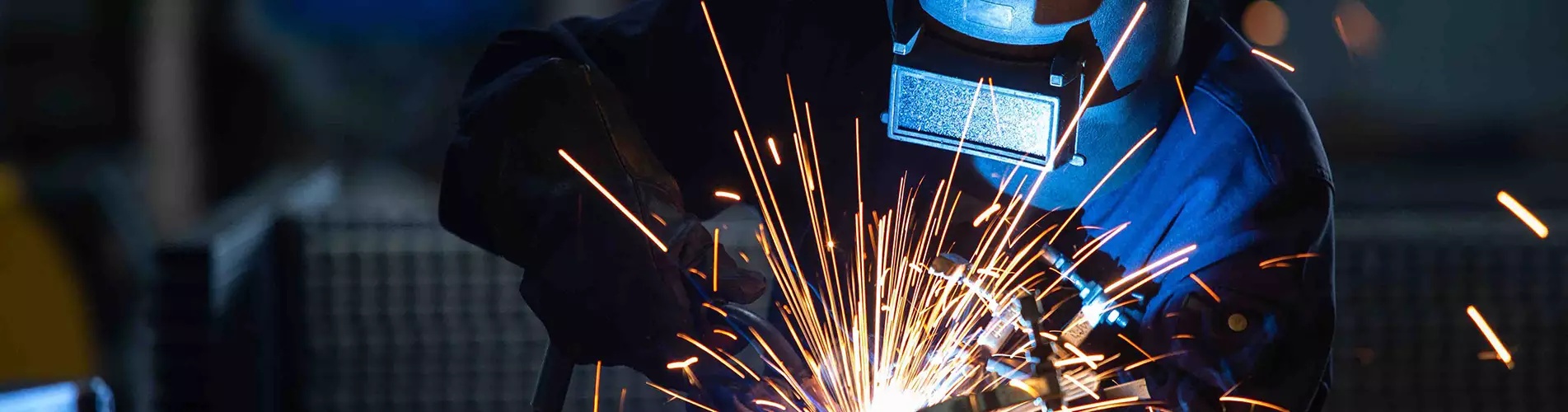
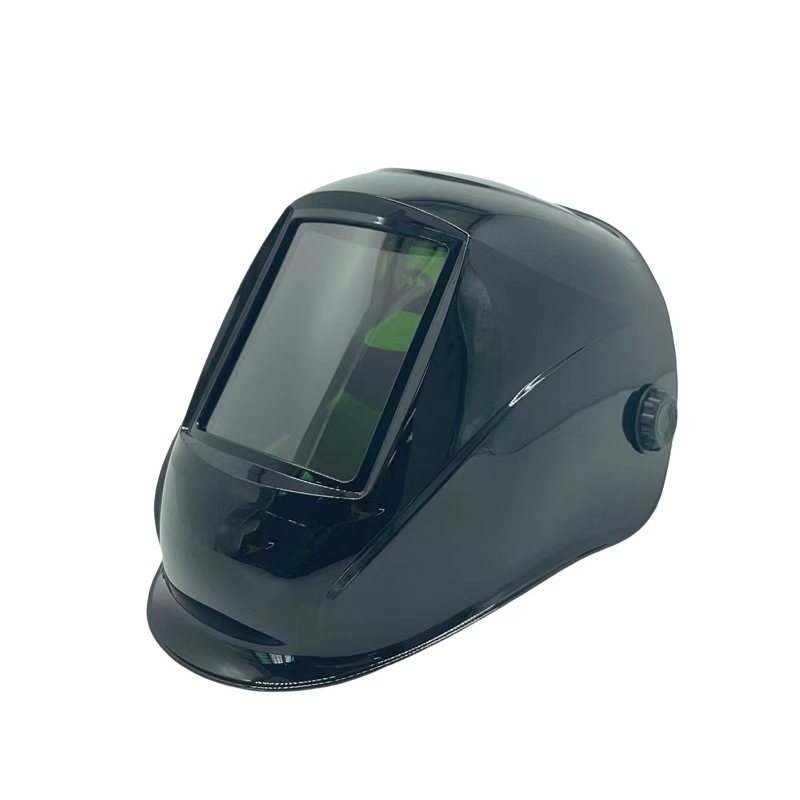
    Laser welding has revolutionized precision manufacturing, but it also brings unique safety challenges—from intense laser radiation to metal fumes. To tackle these risks, specialized protective gear is essential, and today we’ll explore how a laser welding helmet works in tandem with a Powered Air Purifying Respirator to keep welders safe. The Shield for Eyes and Face: NEW AIR Laser Welding Helmet Take the NEW AIR laser welding helmet as an example. Its technical specs reveal a focused defense against 950–1100nm fiber laser radiation—ideal for handheld laser welding machines. The helmet features a durable nylon mask and a PC (polycarbonate) laser-absorbing window. This window boasts an optical density (OD) of over 8 in the 950–1100nm range, blocking nearly all harmful laser energy. With a shade rating of DIN4, it also shields against glare and secondary arc light, ensuring clear visibility while protecting eyes and facial skin from burns or long-term radiation damage. Breathing Easy with a Powered Air Purifying Respirator While the laser welding helmet safeguards the eyes and face, a papr respirator addresses another critical threat: airborne hazards. Laser welding releases fine metal particulates, ozone, and nitrogen oxides—all of which can irritate or damage the respiratory system. A PAPR uses a battery-powered fan to draw air through high-efficiency filters, then delivers clean, pressurized air to the wearer’s breathing zone (often via a hood or facepiece). This active airflow not only filters out contaminants but also reduces breathing resistance, making long welding sessions more comfortable. Synergy: Helmet and PAPR as a Unified Defense The relationship between a laser welding helmet and a powered air respirator is rooted in comprehensive protection. The helmet blocks dangerous light and splashes from reaching the eyes and face, while the PAPR ensures every breath is free of toxic fumes. In environments like confined spaces or high-volume laser welding operations (where fume concentrations soar and radiation remains intense), using both tools isn’t just recommended—it’s a necessity for long-term occupational health. Together, they create a “dual barrier” covering the two most vulnerable areas for welders: vision/skin and respiration. Why Combined Protection Matters Welding safety isn’t a single-layer endeavor. A high-performance laser welding helmet handles optical hazards, but it can’t filter the air you breathe. Conversely, a PAPR safeguards lungs but won’t shield your eyes from laser glare. By integrating a laser welding helmet with a Powered Air Purifying Respirator, welders gain holistic protection that lets them focus on precision work without compromising health. Whether in automotive, aerospace, or small-batch fabrication, this duo ensures safety matches the sophistication of laser welding technology.If you want know more, please check www.newairsafety.com.  
    Read More
  • Key Components of Gas Mask Canisters: "Targeted Formulations" Matched to "Protected Gas Types"
    Key Components of Gas Mask Canisters: "Targeted Formulations" Matched to "Protected Gas Types"
    Aug 26, 2025
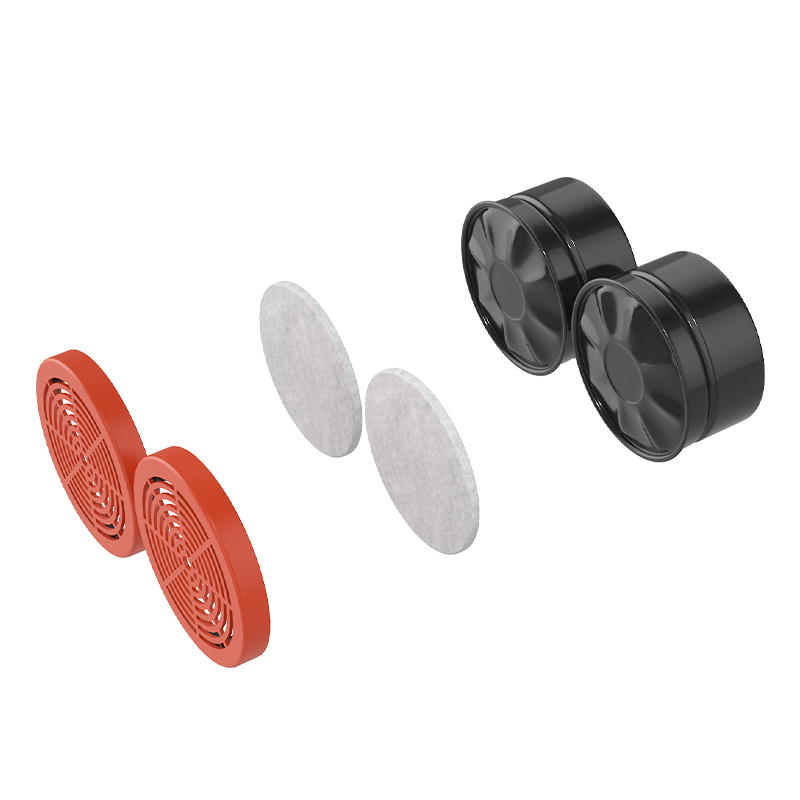
    The core components of gas mask canisters vary significantly depending on the protection target (A/B/E/K series). Essentially, "specific components are used to address the chemical properties of specific gases"—a precision that is vital when these canisters are paired with Powered Air-Purifying Respirators, which cannot compensate for mismatched or ineffective filter materials. The following is an explanation corresponding to the gas type classification mentioned earlier, with a focus on relevance to PAPR: ​ 1. For Series A (Organic Gases/Vapors, e.g., Benzene, Gasoline): Activated Carbon as the Core ​ Main Component: High-specific-surface-area activated carbon (mostly coconut shell carbon or coal-based carbon, with a porosity of over 90%. The surface area of 1 gram of activated carbon is equivalent to that of a football field).​ Working Principle: Utilizes the "physical adsorption" of activated carbon—organic gas molecules are adsorbed in the micropores of activated carbon due to "van der Waals forces" and cannot enter the breathing zone with the airflow. This makes it ideal for use in papr powered air purifying respirators deployed in painting or solvent-handling tasks, where continuous exposure to organic vapors requires reliable, long-lasting adsorption.​ Upgraded Optimization: For low-boiling-point organic gases in Series A3 (e.g., methane, propane, which are extremely volatile), "impregnated activated carbon" (added with small amounts of substances such as silicone) is used to enhance the adsorption capacity for small-molecule organic gases—critical for positive pressure air purifying respirator used in oil refineries or natural gas processing plants.​   2. For Series B (Inorganic Gases/Vapors, e.g., Chlorine, Sulfur Dioxide): Chemical Adsorbents as the Main Component ​ Main Component: Impregnated activated carbon + metal oxides (e.g., copper sulfate, potassium permanganate, calcium hydroxide).​ Working Principle: Most inorganic gases are highly oxidizing or irritating and need to be converted into harmless substances through "chemical reactions". For example:​ Chlorine (Cl₂) reacts with calcium hydroxide to form calcium chloride (a harmless solid);​ Sulfur dioxide (SO₂) is oxidized to sulfate (fixed in the filter material after dissolving in water) by reacting with potassium permanganate.​ This chemical stability is a must for Powered Air-Purifying Respirators used in chemical manufacturing plants, where sudden spikes in inorganic gas concentrations demand rapid, effective neutralization. ​ 3. For Series E (Acidic Gases/Vapors, e.g., Hydrochloric Acid, Hydrogen Fluoride): Alkaline Neutralizers ​ Main Component: Potassium hydroxide (KOH), sodium hydroxide (NaOH), or sodium carbonate (supported on activated carbon or inert carriers).​ Working Principle: Utilizes "acid-base neutralization reaction" to convert acidic gases into salts (harmless and non-volatile). For example:​ Hydrochloric acid (HCl) reacts with potassium hydroxide to form potassium chloride (KCl) and water;​ Hydrogen fluoride (HF) reacts with sodium hydroxide to form sodium fluoride (NaF, a solid), preventing it from corroding the respiratory tract.​ This corrosion-resistant formulation is essential for Powered Air-Purifying Respirators used in 酸洗 (pickling) workshops or semiconductor manufacturing, where acidic vapors pose both health and equipment risks. ​ 4. For Series K (Ammonia and Amine Gases/Vapors, e.g., Ammonia, Methylamine): Acidic Adsorbents ​ Main Component: Phosphoric acid (H₃PO₄)-impregnated activated carbon or calcium sulfate.​ Working Principle: Ammonia and amines are alkaline gases and are fixed through "acid-base neutralization". For example:​ Ammonia (NH₃) reacts with phosphoric acid to form ammonium phosphate ((NH₄)₃PO₄, a solid);​ Methylamine (CH₃NH₂) reacts with calcium sulfate to form stable salts that no longer volatilize.​ This targeted neutralization is key for Powered Air-Purifying Respirators used in fertilizer plants or cold storage facilities, where ammonia leaks are a common hazard. ​ III. "Matching Logic" Between Structure and Components: Why Gas Mask Canisters Cannot Be Mixed? ​ It can be seen from the above content that the "layered structure" and "component selection" of gas mask canisters are completely designed around the "protection target"—a principle that is even more critical when paired with Powered Air-Purifying Respirators, as these devices amplify both the effectiveness of correct canisters and the risks of incorrect ones: ​ If a Series A (activated carbon) gas mask canister is used to protect against Series E acidic gases with Powered Air-Purifying Respirators, the acidic gases will directly penetrate the activated carbon (no neutralization reaction occurs), and the PAPR’s continuous airflow will deliver these unfiltered gases straight to the user;​ If a Series K (acidic adsorbent) gas mask canister is exposed to Series B chlorine (highly oxidizing) in Powered Air-Purifying Respirators, adverse reactions may occur, and even toxic substances may be produced—substances that the PAPR will then circulate into the breathing zone.​ This also echoes the "golden rule of selection" mentioned earlier—gas mask canisters of the corresponding series must be selected according to the type of gas in the working environment to ensure that the structure and components truly play their role, especially when integrated with Powered Air-Purifying Respirators. ​ Conclusion​ A gas mask canister is not a "single-material container" but a sophisticated combination of "layered structure + targeted components"—one that is engineered to work in harmony with Powered Air-Purifying Respirators. The outer shell ensures sealing for PAPR airflow, the preprocessing layer filters impurities to maintain PAPR efficiency, and the core adsorption/neutralization layer accurately addresses specific gases to keep PAPR-supplied air clean. Ultimately, it achieves the protection effect of "preventing harmful gases from entering and allowing clean air to exit".​   Understanding these details not only helps us select gas mask canisters more scientifically for standard masks but is even more critical for users of Powered Air-Purifying Respirators—who rely on the canister-PAPR synergy for consistent, reliable protection. It also enables us to more clearly judge "when to replace canisters" during use (e.g., the protection effect will drop sharply after the core adsorption layer is saturated), adding an "awareness line of defense" for respiratory safety—especially for those depending on Powered Air-Purifying Respirators in high-risk environments.If you want know more, please click www.newairsafety.com.
    Read More

  • Explore a New Experience in Safety Protection - NEW AIR 3002 PAPR for Air Canister
    Explore a New Experience in Safety Protection - NEW AIR 3002 PAPR for Air Canister
    Aug 13, 2025
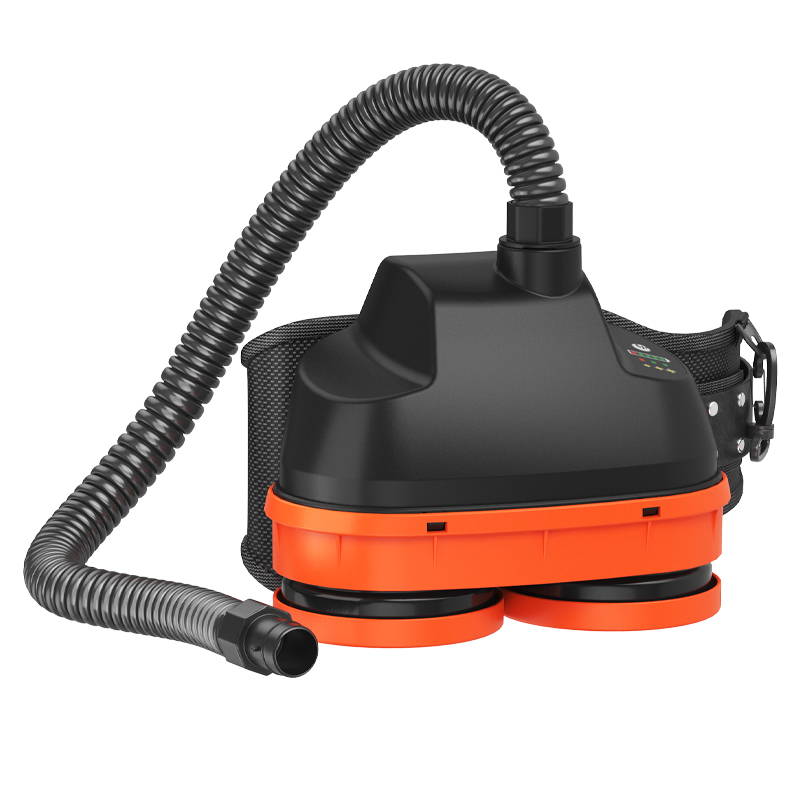
    In the field of safety protection, an excellent protective device can build a solid safety defense for workers. Today, I would like to strongly recommend the 3002 PAPR for air canister from NEW AIR. With many outstanding advantages, it brings users an intimate and reliable protective experience.           First of all, looking at the interface design, it adopts the standard threaded interface RD40 (for the canister). This standardized interface makes the installation and replacement of the canister extremely convenient, enabling quick preparation of the equipment and saving time.   In terms of carrying, the double shoulder strap design is very user-friendly. When wearing protective equipment for a long time, the shoulder burden is often heavy. The double shoulder straps can effectively distribute the weight and reduce the user's sense of load, making the shoulders more relaxed even when used for a long time.   In operation, the large bump design of the control button is particularly practical. In some complex or poorly visible environments, users can easily find and operate the buttons by touch without carefully looking, which greatly improves the convenience and efficiency of operation.   It is also lightweight and the whole body is washable. The lightweight feature allows users not to have a heavy sense of restraint and move more freely. The whole-body washable design facilitates cleaning after use, keeping the equipment clean and hygienic for the next use.   In terms of core air supply and alarm functions, it has intelligent and continuous stable air volume, which can continuously provide clean air for users and ensure breathing safety. The dual alarm system can timely issue an alarm when an abnormal situation occurs, reminding users to take measures. The double guarantee makes people more at ease.   In addition, it is equipped with an external pre-filter cotton. This design can extend the service life of the canister, reduce the frequency of canister replacement, which not only saves costs but also reduces the trouble of replacement. The unique canister protective cover design allows the equipment to easily cope with various complex environments. Whether it is a harsh industrial scene or other special environments, it can provide good protection for the canister and ensure the stable performance of the equipment.   In general, the NEW AIR 3002 powered air purifying respirator for air canister performs excellently in many aspects such as interface, carrying, operation, weight, cleaning, core functions, and protection. It is a trustworthy good helper in the field of safety protection.
    Read More

leave a message

leave a message
If you are interested in our products and want to know more details,please leave a message here,we will reply you as soon as we can.
submit
Contact Us: sales@txhyfh.com

home

products

WhatsApp

Contact us