inquiry
Leave A Message
If you are interested in our products and want to know more details,please leave a message here,we will reply you as soon as we can.
submit
Bengbu Longkai Welding Protection Technology Co.,Ltd.
Home

loose fitting powered air purifying respirators

loose fitting powered air purifying respirators

  • NIOSH PAPR: US Compliance & Testing Requirements
    NIOSH PAPR: US Compliance & Testing Requirements
    Jul 17, 2026
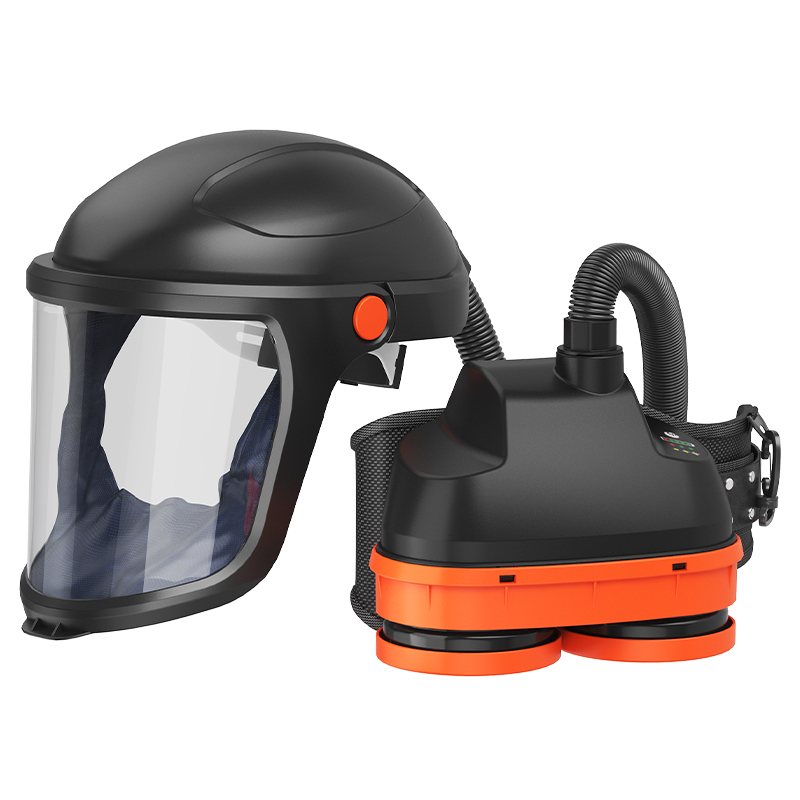
      In all industrial work environments across the United States, the compliance of Powered Air-Purifying Respirators (PAPRs) is strictly regulated under federal code 42 CFR Part 84. NIOSH certification serves as the only legally recognized qualification for respiratory protection devices and is fully enforced by OSHA. Unlike flexible regional protection standards, NIOSH approval is mandatory for all workplace applications, including general industry, construction, healthcare, and manufacturing.Only officially NIOSH-listed and approved PAPRs are permitted for on-site deployment. While most EHS managers and procurement professionals understand that PAPRs require NIOSH certification, many are unfamiliar with the full range of performance and durability tests required for official approval. This article provides a detailed breakdown of the complete NIOSH testing criteria that all qualified PAPRs must pass, helping safety professionals evaluate product quality, eliminate non-compliant equipment, and maintain standardized workplace safety.   Filter performance and filtration efficiency testing form the foundation of NIOSH’s PAPR grading system and represent the first critical stage of certification. Before formal testing, filter cartridges undergo standardized environmental preconditioning to simulate performance changes caused by long-term storage and humid working conditions. Two types of aerosol challenges are applied according to different hazard types: sodium chloride aerosol for solid dust environments and DOP oil aerosol for oil-based fume contaminants, which differentiates the application scope of N-series and P-series filters. Testing airflow rates are strictly defined based on papr system construction: 115 L/min for tight-fitting facepiece models and a minimum of 170 L/min for loose-fitting hood and helmet-style units. Throughout the full loading test, high-concentration particulate aerosol is continuously injected until the filter reaches saturation. Certified PAPRs must maintain stable filtration efficiency without excessive particulate penetration at any stage.   As motor-driven respiratory devices, PAPRs must pass NIOSH-specific airflow performance and battery durability tests. Under 42 CFR Part 84, PAPRs must sustain airflow above the minimum rated output even as filters become fully loaded and battery voltage gradually declines. Consistent positive pressure inside the facepiece or hood is essential to prevent external contaminant ingress. Professional breathing simulators are used to monitor inhalation and exhalation resistance throughout operation. Emergency power failure scenarios are also tested to ensure residual resistance does not hinder breathing during sudden motor shutdown. Additionally, PAPRs undergo extended continuous operation and extreme temperature cycling tests to verify battery and motor stability during full-shift, 8-hour work cycles, eliminating common field risks such as airflow dropouts, low-temperature shutdowns, and high-temperature battery failure. Total inward leakage and system tightness testing are core evaluations that determine real-world protective effectiveness. NIOSH enforces distinct testing protocols for the two mainstream PAPR designs. Tight-fitting facepiece PAPRs require quantitative fit testing with human test panels and corn oil aerosol to measure particle penetration through facial seals, headband connections, and assembly gaps. Loose-fitting hood and helmet papr respirator systems are exempt from facial fit testing but must comply with strict overall inward leakage limits. Critical inspection areas include neck seals, duct connections, and hood stitching joints. All units also undergo accelerated aging through repeated donning, doffing, and hose bending cycles to simulate long-term wear and seal degradation. Any leakage exceeding the standard threshold results in test failure.   Beyond core protection performance, NIOSH mandates a comprehensive set of structural durability, ergonomic, and functional tests to ensure long-term operational safety. Structural evaluations include drop resistance, repeated hose flexing, lens impact and abrasion resistance, and headband tensile strength, verifying component reliability under daily industrial wear. Ergonomic assessments are conducted with test subjects of different body types to ensure easy donning, unobstructed field of view, and comfortable long-duration wear. Additional functional tests cover operational noise levels and speech intelligibility to support effective on-site communication. For PAPRs equipped with gas cartridges, extra adsorption lifespan tests for organic vapors and acid gases are required to confirm certified service duration.   Overall, NIOSH establishes a rigorous, multi-dimensional testing framework under 42 CFR Part 84, covering filter efficiency, powered airflow stability, system tightness, structural durability, and ergonomic safety. These standardized requirements define the minimum safety benchmark for all respirators entering the U.S. market. For workplace safety and procurement teams, verifying PAPRs against these official NIOSH test criteria is essential to protecting workers from particulate and aerosol hazards, avoiding OSHA penalties for non-compliant PPE, and sustaining long-term regulatory compliance at industrial facilities.If you want know more, please click www.newairsafety.com.
    Read More

  • Key Components and Structure of Gas Mask Canisters: Understanding the "Core Architecture" Behind Protection
    Key Components and Structure of Gas Mask Canisters: Understanding the "Core Architecture" Behind Protection
    Aug 25, 2025
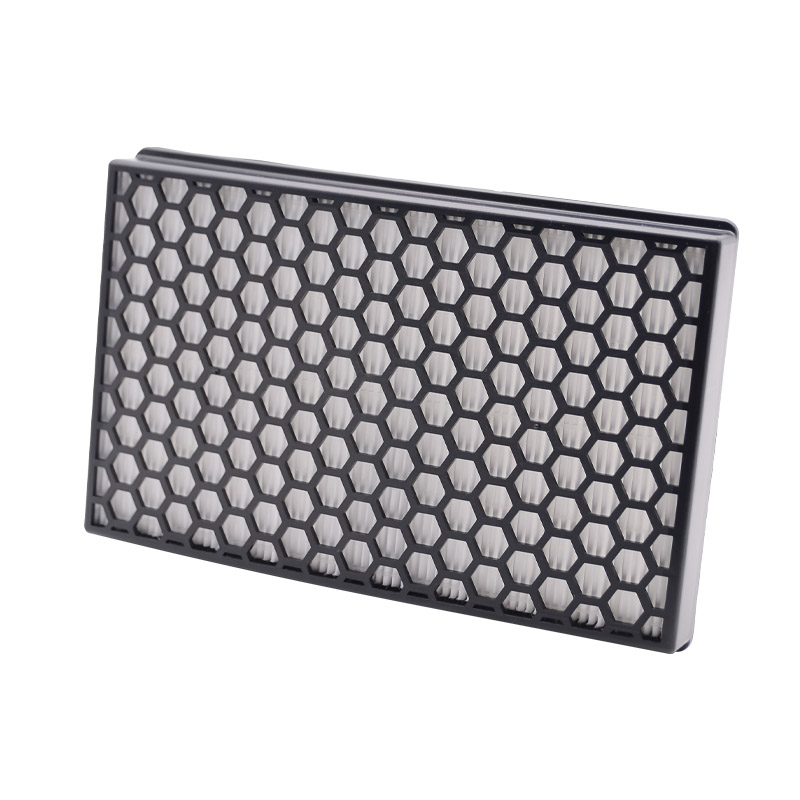
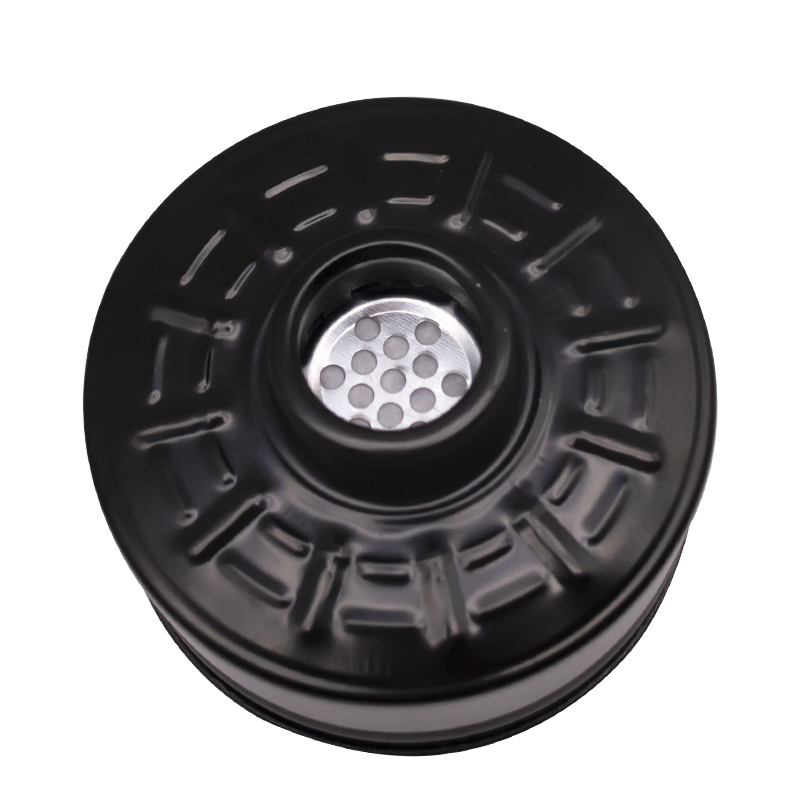
    In the respiratory protection system, gas mask canisters serve as the "core line of defense" against harmful gases/vapors—especially when paired with Powered Air-Purifying Respirators (PAPRs), which rely on high-quality canisters to deliver clean, filtered air. Their structural design and component selection directly determine the protection effectiveness against gas series such as A, B, E, and K (corresponding to organic gases, inorganic gases, acidic gases, and ammonia/amine gases mentioned earlier), making this match critical for users of powered respirator mask .Below is a breakdown of the working principle of gas mask canisters from two aspects: "layered structure" and "key components," with a focus on how they integrate with best papr respirator.   I. Typical Structure of Gas Mask Canisters: "Layered Protection Design" from Outside to Inside​   Gas mask canisters usually adopt a cylindrical sealed structure (made of metal or high-strength plastic to ensure impact resistance and leakproofness)—a design tailored to fit the airflow systems of Powered Air-Purifying Respirators. Internally, they are divided into 4 core functional layers according to the "airflow direction." These layers work together to implement the protection logic of "first filtering impurities, then adsorbing/neutralizing harmful gases"—a process that aligns with the continuous air supply mechanism of papr respirator welding:​   1. Outer Shell and Sealing Layer​ Function: Protect internal filter materials from moisture and damage, while ensuring airflow only passes through preset channels (to avoid "short-circuit leakage")—a non-negotiable requirement for Powered Air-Purifying Respirators, which depend on unobstructed, sealed airflow to maintain positive pressure in the mask.​ Details: The top/bottom of the shell is equipped with threaded interfaces, which can be accurately connected to the pipelines of face masks or Powered Air-Purifying Respirators (PAPRs). Rubber gaskets are usually installed at the interfaces to enhance sealing—this prevents unfiltered gas from directly entering the breathing zone, a risk that could undermine the protective effect of Powered Air-Purifying Respirators entirely.​ 2. Pre-Filtration Preprocessing Layer (Optional)​ Function: Filter particulates such as dust and water mist in the air to prevent them from clogging the pores of the subsequent adsorption layer, thereby extending the service life of the gas mask canister. For Powered Air-Purifying Respirators used in mixed-hazard environments (e.g., dusty chemical plants), this layer reduces the frequency of canister replacement and maintains consistent airflow.​ Applicable Scenarios: If particulates exist in the working environment (e.g., paint mist in spray booths, dust in chemical workshops), the gas mask canister will integrate this layer. Its material is similar to the "P-series particulate filter materials" mentioned earlier (e.g., melt-blown polypropylene fiber), which can achieve P1-P3 level filtration efficiency—ideal for pairing with Powered Air-Purifying Respirators in scenarios where both gases and particulates are present.​ 3. Core Adsorption/Neutralization Layer (Most Critical)​ Function: Capture and remove harmful gases/vapors through physical adsorption or chemical neutralization. It is the "core functional area" of the gas mask canister, and its components must be accurately matched to the type of gas to be protected (A/B/E/K series)—a match that directly affects the safety of users relying on Powered Air-Purifying Respirators for continuous protection.​ Structural Features: Adopts a "granular filter material filling" or "honeycomb filter element" design to increase the contact area between the filter material and airflow. This ensures full reaction of gases—essential for Powered Air-Purifying Respirators, which deliver a steady stream of air that must be fully purified before reaching the user.​ 4. Rear Support and Dust-Proof Layer​ Function: Fix the filter material of the core adsorption layer to prevent particles from falling off and entering the breathing zone; at the same time, block a small amount of fine impurities not filtered by the pre-filtration layer to further purify the airflow. This layer is particularly important for Powered Air-Purifying Respirators that operate at higher airflow rates, as faster air movement could dislodge loose filter particles without proper support.​ Material: Mostly breathable non-woven fabric or metal mesh, which has both support and air permeability—balancing structural stability with the airflow demands of Powered Air-Purifying Respirators.If you want know more, please click www.newairsafety.com.
    Read More

leave a message

leave a message
If you are interested in our products and want to know more details,please leave a message here,we will reply you as soon as we can.
submit
Contact Us: sales@txhyfh.com

home

products

WhatsApp

Contact us