inquiry
Leave A Message
If you are interested in our products and want to know more details,please leave a message here,we will reply you as soon as we can.
submit
Bengbu Longkai Welding Protection Technology Co.,Ltd.
Home

powered respirator

powered respirator

  • A2P3 Filter for NEW AIR BXH‑3002 PAPR Spray Painting
    A2P3 Filter for NEW AIR BXH‑3002 PAPR Spray Painting
    Sep 15, 2026
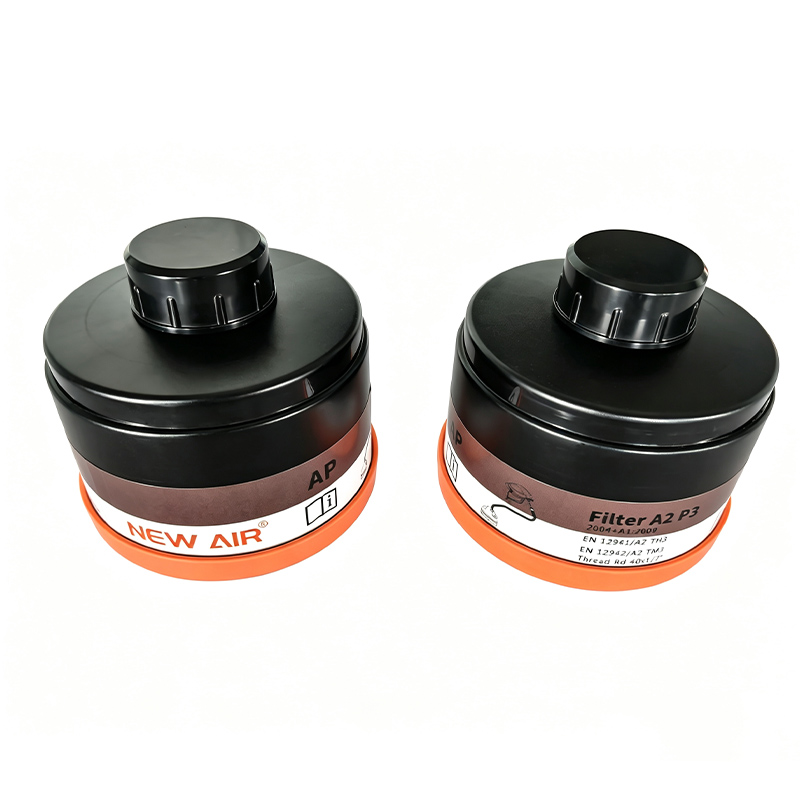
    Workers performing spray painting, adhesive application and chemical processing are exposed to two major respiratory hazards: harmful organic vapours and fine airborne particles. Standard particulate filters can only trap dust and aerosols, but cannot block toxic solvent fumes. The NEW AIR A2P3 combined filter cartridge is the matching filter for the BXH‑3002 Powered Air Purifying Respirator (PAPR). Purpose-built for spray applications, it delivers dual protection against organic vapours and particulate matter. The A2 class protects against organic vapours with boiling points above 65°C, such as paint solvents, thinners and fumes released by adhesives. The P3 filter layer captures solid and liquid aerosols including paint mist, grinding dust and smoke. When fitted to the BXH‑3002 respirator air purifying, the A2P3 cartridge first adsorbs organic gases via its activated carbon layer, then traps tiny droplets and particles with high-efficiency filter media. This two-stage purification continuously supplies clean airflow into the visor, offering reliable respiratory protection for spray operators.   The A2P3 filter cartridge acts as the core accessory when the BXH‑3002 respirator is used for solvent-based paint spraying. In coating workshops, paint mist floats in the air alongside evaporated solvent vapours. Using a standalone P3 particulate filter here creates significant safety risks, as it cannot remove solvent vapours. Equipped with the A2P3 filter, the BXH‑3002 can defend against both paint mist and organic vapours. It is widely used for automotive refinishing, furniture spraying and other solvent coating operations.   Despite its strong filtration performance, users need to understand its limitations. The A2P3 filter for BXH‑3002 only protects against organic vapours. It does NOT protect against acid gases, ammonia or other inorganic toxic gases. It is not recommended for spraying 2K polyurethane paints containing isocyanates, which require a higher level of respiratory protection. The service life of the filter cartridge depends on onsite chemical concentration, humidity and working hours. Regular replacement is mandatory. Great compatibility is another advantage of the BXH‑3002 system. The A2P3 filter cartridge adopts a standard threaded connection. It can be quickly mounted onto the BXH‑3002 main unit or swapped out for a P3 particulate filter as needed. Operators can easily switch filter types: use the P3 filter for welding and grinding, then fit the A2P3 combined cartridge for coating work. There is no need to replace the whole respirator. One main unit adapts to multiple working scenarios, cutting equipment costs and improving workshop productivity.   NEW AIR specialises in developing reliable respiratory protection solutions. Paired with the original A2P3 filter cartridge, the BXH‑3002 loose fitting powered air purifying respirator is manufactured and tested in compliance with relevant EN standards, delivering stable dual protection against gases and particulates for spray booths. We supply the complete BXH‑3002 PAPR system, replacement filter cartridges and supporting accessories to meet diverse demands from welding, grinding and spray coating industries. Every product is engineered to safeguard workers’ respiratory safety in harsh workshop environments.If you want know more, please click www.newairsafety.com.
    Read More
  • Demolition Work: Choosing the Right PAPR
    Demolition Work: Choosing the Right PAPR
    Jan 20, 2026
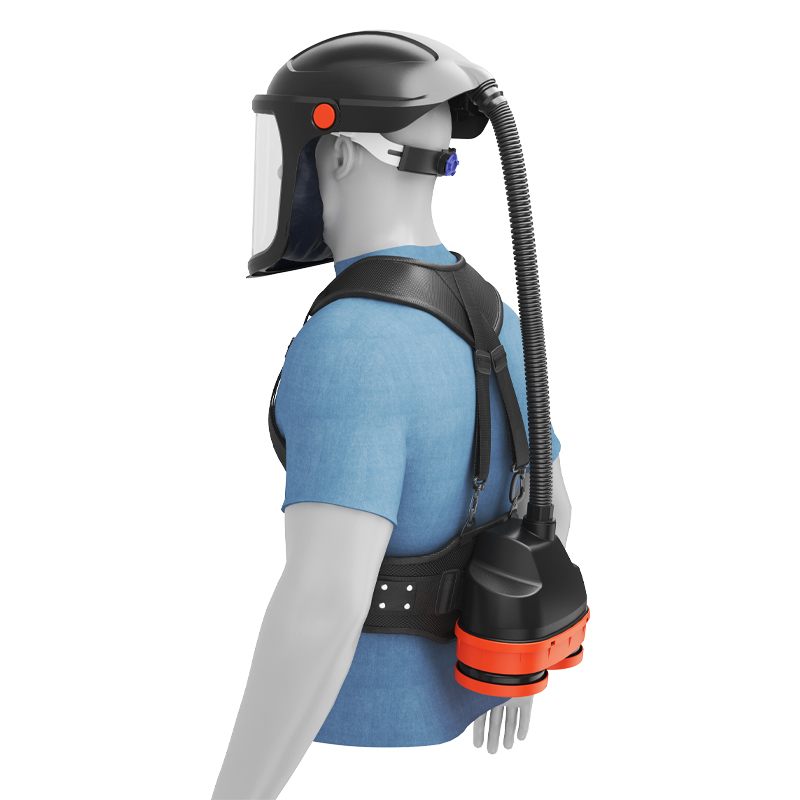
      Demolition work involves complex and variable environments. From breaking down walls of old buildings to dismantling industrial facilities, pollutants such as dust, harmful gases, and volatile organic compounds (VOCs) are pervasive, placing extremely high demands on respiratory protection for workers. battery powered respirator have become core protective equipment in demolition work due to their advantages of positive pressure protection and low breathing load. However, not all PAPRs are suitable for all scenarios; selecting the right type is essential to build a solid line of defense for respiratory safety. Compared with traditional negative-pressure respirators, PAPRs actively deliver air through an electric fan, which not only reduces breathing fatigue during high-intensity operations but also prevents pollutant leakage through the positive pressure environment inside the mask, significantly improving protection reliability.   For general dust-generating demolition operations, particulate-filtering PAPRs are preferred. Such operations commonly involve the demolition of concrete, masonry, wood, and other components, with respirable dust—especially PM2.5 fine particles—as the primary pollutant. Long-term inhalation can easily induce pneumoconiosis. When selecting a model, high-efficiency particulate filters should be used, and the mask can be chosen based on operational flexibility needs. For open-air scenarios such as ordinary wall breaking and floor demolition, air-fed hood-type PAPRs are more suitable. They do not require a facial fit test, offer strong adaptability, and can also provide head impact protection. For narrow workspaces with extremely high dust concentrations, it is recommended to use tight-fitting full-face PAPRs, which have a minimum air flow rate of no less than 95L/min, forming a tight seal on the face to prevent dust from seeping through gaps.   For demolition operations involving harmful gases, combined-filtering PAPRs are required. During the demolition of old buildings, volatile organic compounds such as formaldehyde and benzene are emitted from paints and coatings, while the dismantling of industrial facilities may leave toxic gases such as ammonia and chlorine. In such cases, a single particulate-filtering PAPR cannot meet protection needs. Dual-filter elements (particulate + gas/vapor) should be used, with precise selection based on pollutant types: activated carbon filter cartridges for organic vapors, and chemical adsorption filter elements for acid gases. For these scenarios, positive-pressure tight-fitting PAPRs are preferred. Combined with forced air supply, they not only effectively filter harmful gases but also reduce pollutant residue inside the mask through continuous air supply, while avoiding poisoning risks caused by mask leakage.   Special scenarios require targeted selection of dedicated loose fitting powered air purifying respirators. Demolishing asbestos-containing components is a high-risk operation—once inhaled, asbestos fibers cause irreversible lung damage. PAPRs complying with asbestos protection standards should be used, paired with high-efficiency HEPA filters. Additionally, hood-type designs must be adopted to avoid fiber leakage due to improper wearing of tight-fitting masks. Meanwhile, the hood should be used with chemical protective clothing to form full-body protection. For demolition in confined spaces such as basements and pipe shafts, oxygen levels must first be tested. If the oxygen concentration is not less than 19% (non-IDLH environment), portable positive-pressure PAPRs can be used with forced ventilation systems. If there is a risk of oxygen deficiency, supplied-air respirators must be used instead of relying on PAPRs.   PAPR selection must balance compliance with standards and operational practicality.  Adjustments should also be made based on labor intensity: most demolition work is moderate to high intensity, so Powered Air Purifying Respirator TH3 are more effective in reducing breathing load, preventing workers from removing protective equipment due to fatigue. Battery life must match operation duration—for long-term outdoor operations, replaceable battery models are recommended to ensure uninterrupted protection. Furthermore, filter elements must be replaced strictly on schedule: gas filter cartridges should be replaced within 6 months of opening, or immediately if odors occur or resistance increases, to avoid protection failure.   Finally, it should be noted that PAPRs are not universal protective equipment, and their use must be based on a comprehensive risk assessment. Before demolition work, on-site testing should be conducted to identify pollutant types, concentrations, and environmental characteristics, followed by selecting the appropriate PAPR type for the scenario.  Only by selecting and using PAPRs correctly can we build a reliable barrier for respiratory health in complex demolition work, balancing operational efficiency and safety protection.If you want know more, please click www.newairsafety.com.
    Read More

  • Welding Respiratory Protection: PAPR in 4 Welding Methods
    Welding Respiratory Protection: PAPR in 4 Welding Methods
    Oct 25, 2025
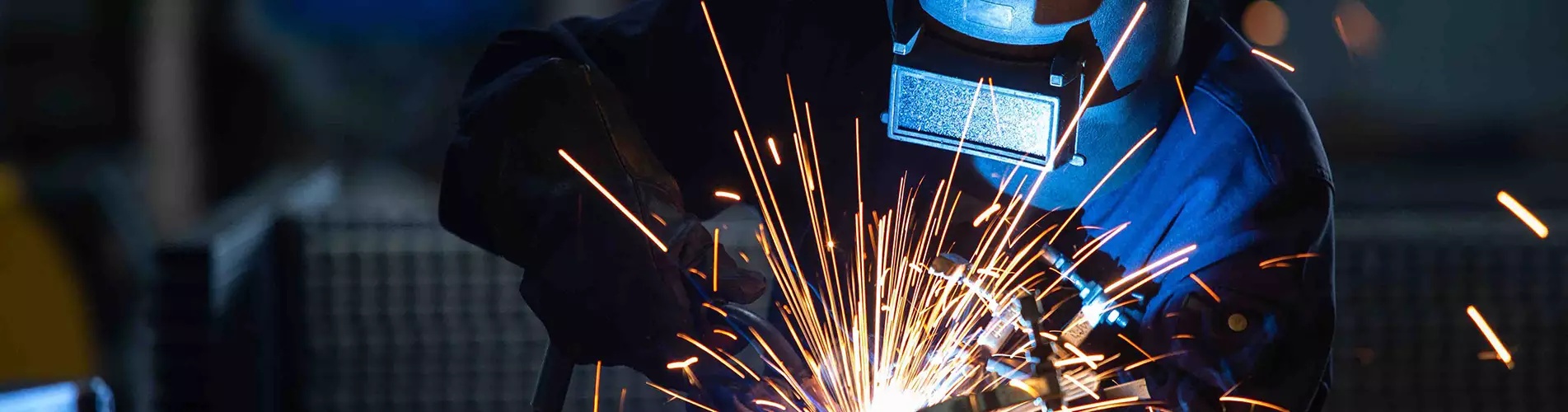
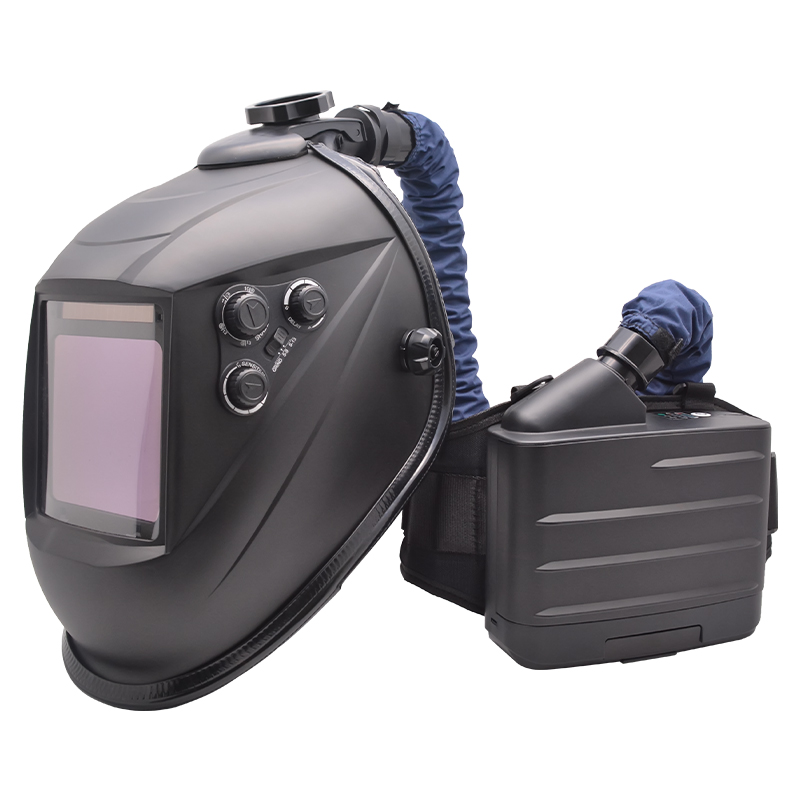
    In welding, fumes and toxic gases threaten workers’ respiratory health. As an efficient protective device, Powered Air Respirator System  act as a "breathing barrier" for various welding scenarios. Understanding how PAPR adapts to different welding methods is critical for safety.   Shielded Metal Arc Welding (SMAW) produces large amounts of metal fumes (e.g., iron oxide, manganese dioxide) that cause pneumoconiosis. Traditional masks have limited effect and high breathing resistance. Powered respirator uses a built-in fan to deliver filtered air, solving resistance issues and blocking over 95% of fine fumes with high-efficiency filter cartridges.   Plasma Arc Welding & Cutting generates high-concentration metal vapor and ozone due to extreme temperatures. PAPR offers "dual protection" with ozone-specific canisters and high-efficiency filters. Its wide-view face shield also meets the precision needs of plasma operations without hindering efficiency.   Carbon Arc Gouging releases carbon dust, iron oxide fumes, and toxic gases (CO, nitrogen oxides). PAPR uses composite filters to tackle both fumes and gases, while its sealed face shield prevents pollutant leakage, providing comprehensive protection.   Oxyfuel Welding & Cutting relies on combustible gases, producing toxic gases (CO, acetylene) that accumulate in poorly ventilated areas. Powered air supply respirator is equipped with organic vapor canisters to absorb harmful gases, and its positive-pressure system blocks external pollutants, even in enclosed spaces.   From SMAW to oxyfuel cutting, PAPR adapts to diverse pollutant characteristics via flexible filtering, active air supply, and sealed protection. Choosing the right PAPR safeguards workers’ health and boosts operational safety.If you want know more, please www.newairsafety.com.
    Read More

leave a message

leave a message
If you are interested in our products and want to know more details,please leave a message here,we will reply you as soon as we can.
submit
Contact Us: sales@txhyfh.com

home

products

WhatsApp

Contact us