inquiry
Leave A Message
If you are interested in our products and want to know more details,please leave a message here,we will reply you as soon as we can.
submit
Bengbu Longkai Welding Protection Technology Co.,Ltd.
Home

papr powered air purifying respirator

papr powered air purifying respirator

  • BXH-3003 Super Thin Backpack Style PAPR
    BXH-3003 Super Thin Backpack Style PAPR
    Jun 01, 2026
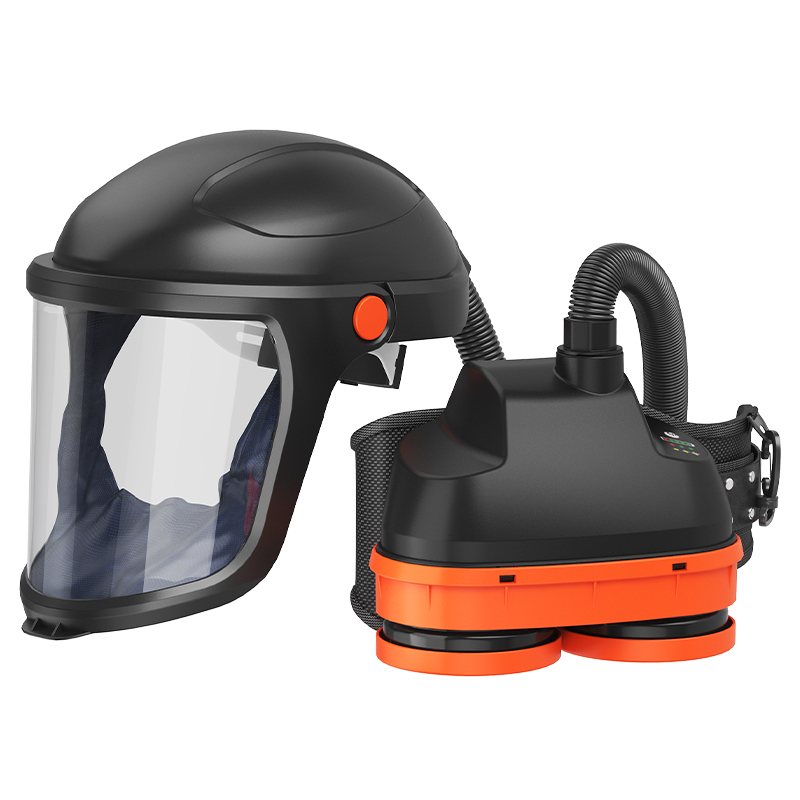
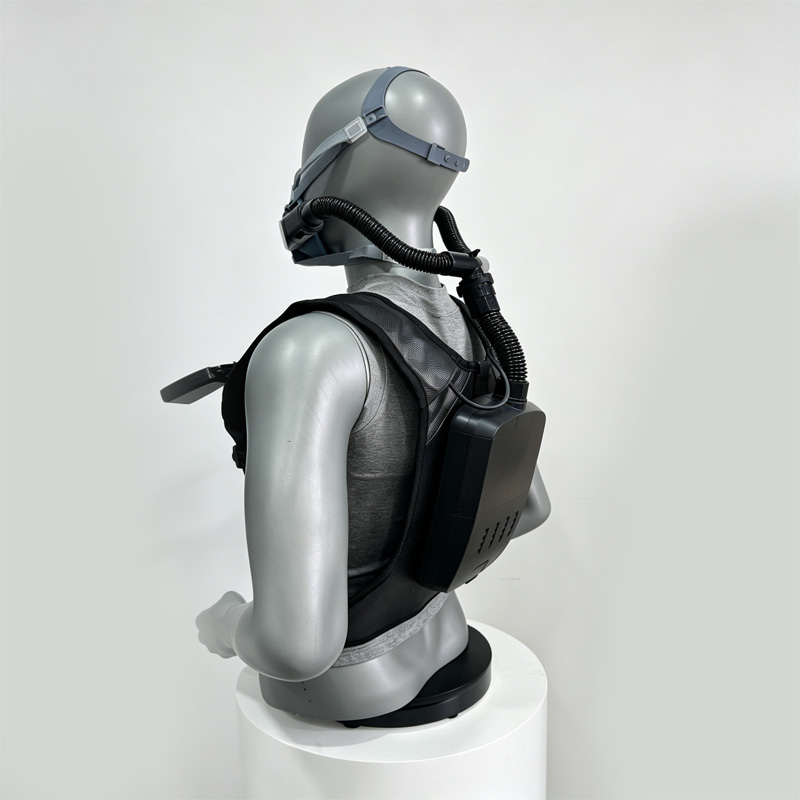
    The BXH-3003 is the latest PAPR from NEW AIR .It serves as the core blower unit of a high-performance Powered Air-Purifying Respirator , a professional personal respiratory protection system engineered for use in high-risk environments such as industrial operations and contaminated work sites. As the power heart of the entire system, this PAPR actively draws in ambient air, purifies it through multi-stage filtration, and delivers a continuous stream of clean, positive-pressure airflow to the user’s facepiece. This positive pressure acts as a critical barrier, preventing contaminants from entering the breathing zone and establishing a robust, reliable line of defense for the user. A key advantage of this air papr blower lies in its powerful and stable airflow performance. It features three adjustable airflow levels, reaching a maximum of 130 L/min, which adapts to different work intensities and ensures consistent positive pressure inside the facepiece—even during periods of heavy breathing—to guarantee uncompromised protection. Furthermore, the blower operates at a noise level below 65 dB, eliminating auditory distractions and significantly enhancing user comfort and focus during long shifts. Its core motor boasts a service life of over 50,000 hours, built to withstand the rigors of frequent, heavy-duty industrial use and reduce long-term replacement costs.   The BXH-3003 PAPR is equipped with a scientifically designed, high-efficiency multi-stage filtration system that provides layered protection for clean air. Air first passes through a spark arrester and optional pre-filter media to capture large particulate matter. It can then be paired with an optional carbon pre-filter to adsorb odors and certain organic vapors, before undergoing final purification by a HEPA filter with a filtration efficiency of 99.97%, meeting the TM3 filter grade. This modular filtration structure not only simplifies maintenance and replacement but also allows the entire PAPR system to adapt flexibly to diverse work environments, offering reliable protection against dust, fumes, and microbial aerosols.   In terms of power and runtime, the BXH-3003 PAPR is powered by a dedicated 3400mAh (25.16Wh) lithium battery, providing ample endurance for extended work periods. Depending on the airflow setting, operating times reach 11 hours, 9 hours, and 7 hours respectively, fully covering a complete single work shift. The battery operates at a rated voltage of 7.4V, charges in just 2.5 hours, and supports over 500 charge-discharge cycles for excellent durability. Additionally, the unit features a comprehensive system alarm function: in the event of low battery power or a clogged filter (low airflow), both audible and visual alerts (flashing red light) activate, promptly notifying the user to replace the filter or recharge the battery and preventing loss of protection due to equipment failure. The design of the BXH-3003 PAPR prioritizes practicality and portability for industrial use. The main unit weighs only 542±10g without the battery, and just 720±10g with the battery installed. When paired with the dedicated harness and breathing hose, it adds minimal physical burden to the user. With compact dimensions of 237×158×48mm, the blower is easy to store and transport. The system’s modular design allows for quick, tool-free removal and replacement of the front cover, filters, battery, and other components, greatly improving on-site maintenance efficiency and ensuring the papr respirator system is always ready for use.   As the central unit of the entire PAPR system, the BXH-3003 blower is not merely the power source for air purification—it is a reliable safeguard for the user’s ability to breathe safely. It perfectly combines powerful airflow performance, high-efficiency multi-stage filtration, stable battery life, and user-centric design, delivering a professional-grade respiratory protection solution for a wide range of scenarios including industrial manufacturing, construction, and healthcare. With the BXH-3003 PAPR, users can work confidently in high-contamination environments without worrying about the risk of contaminant exposure.If you want know more, please click www.newairsafety.com.
    Read More

  • Key Components and Structure of Gas Mask Canisters: Understanding the "Core Architecture" Behind Protection
    Key Components and Structure of Gas Mask Canisters: Understanding the "Core Architecture" Behind Protection
    Aug 25, 2025
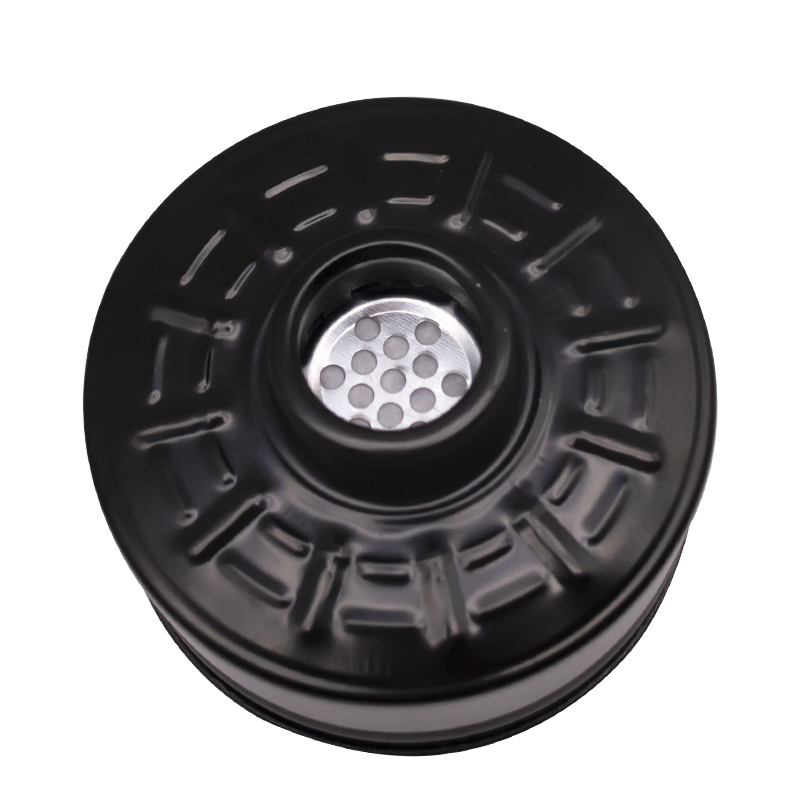
    In the respiratory protection system, gas mask canisters serve as the "core line of defense" against harmful gases/vapors—especially when paired with Powered Air-Purifying Respirators (PAPRs), which rely on high-quality canisters to deliver clean, filtered air. Their structural design and component selection directly determine the protection effectiveness against gas series such as A, B, E, and K (corresponding to organic gases, inorganic gases, acidic gases, and ammonia/amine gases mentioned earlier), making this match critical for users of powered respirator mask .Below is a breakdown of the working principle of gas mask canisters from two aspects: "layered structure" and "key components," with a focus on how they integrate with best papr respirator.   I. Typical Structure of Gas Mask Canisters: "Layered Protection Design" from Outside to Inside​   Gas mask canisters usually adopt a cylindrical sealed structure (made of metal or high-strength plastic to ensure impact resistance and leakproofness)—a design tailored to fit the airflow systems of Powered Air-Purifying Respirators. Internally, they are divided into 4 core functional layers according to the "airflow direction." These layers work together to implement the protection logic of "first filtering impurities, then adsorbing/neutralizing harmful gases"—a process that aligns with the continuous air supply mechanism of papr respirator welding:​   1. Outer Shell and Sealing Layer​ Function: Protect internal filter materials from moisture and damage, while ensuring airflow only passes through preset channels (to avoid "short-circuit leakage")—a non-negotiable requirement for Powered Air-Purifying Respirators, which depend on unobstructed, sealed airflow to maintain positive pressure in the mask.​ Details: The top/bottom of the shell is equipped with threaded interfaces, which can be accurately connected to the pipelines of face masks or Powered Air-Purifying Respirators (PAPRs). Rubber gaskets are usually installed at the interfaces to enhance sealing—this prevents unfiltered gas from directly entering the breathing zone, a risk that could undermine the protective effect of Powered Air-Purifying Respirators entirely.​ 2. Pre-Filtration Preprocessing Layer (Optional)​ Function: Filter particulates such as dust and water mist in the air to prevent them from clogging the pores of the subsequent adsorption layer, thereby extending the service life of the gas mask canister. For Powered Air-Purifying Respirators used in mixed-hazard environments (e.g., dusty chemical plants), this layer reduces the frequency of canister replacement and maintains consistent airflow.​ Applicable Scenarios: If particulates exist in the working environment (e.g., paint mist in spray booths, dust in chemical workshops), the gas mask canister will integrate this layer. Its material is similar to the "P-series particulate filter materials" mentioned earlier (e.g., melt-blown polypropylene fiber), which can achieve P1-P3 level filtration efficiency—ideal for pairing with Powered Air-Purifying Respirators in scenarios where both gases and particulates are present.​ 3. Core Adsorption/Neutralization Layer (Most Critical)​ Function: Capture and remove harmful gases/vapors through physical adsorption or chemical neutralization. It is the "core functional area" of the gas mask canister, and its components must be accurately matched to the type of gas to be protected (A/B/E/K series)—a match that directly affects the safety of users relying on Powered Air-Purifying Respirators for continuous protection.​ Structural Features: Adopts a "granular filter material filling" or "honeycomb filter element" design to increase the contact area between the filter material and airflow. This ensures full reaction of gases—essential for Powered Air-Purifying Respirators, which deliver a steady stream of air that must be fully purified before reaching the user.​ 4. Rear Support and Dust-Proof Layer​ Function: Fix the filter material of the core adsorption layer to prevent particles from falling off and entering the breathing zone; at the same time, block a small amount of fine impurities not filtered by the pre-filtration layer to further purify the airflow. This layer is particularly important for Powered Air-Purifying Respirators that operate at higher airflow rates, as faster air movement could dislodge loose filter particles without proper support.​ Material: Mostly breathable non-woven fabric or metal mesh, which has both support and air permeability—balancing structural stability with the airflow demands of Powered Air-Purifying Respirators.If you want know more, please click www.newairsafety.com.
    Read More

leave a message

leave a message
If you are interested in our products and want to know more details,please leave a message here,we will reply you as soon as we can.
submit
Contact Us: sales@txhyfh.com

home

products

WhatsApp

Contact us