inquiry
Leave A Message
If you are interested in our products and want to know more details,please leave a message here,we will reply you as soon as we can.
submit
Bengbu Longkai Welding Protection Technology Co.,Ltd.
Home

Blog

Blog

  • PAPR Hard Hat: The Rigorous Testing Journey
    PAPR Hard Hat: The Rigorous Testing Journey
    Dec 01, 2025
      In the field of industrial protection, powered purified air respirator is undoubtedly a robust piece of equipment that safeguards the health of workers. As a key component of the system, the hard hat serves as the first and most crucial line of defense for head safety. Many people regard a hard hat as just an ordinary "hat", but behind its safety functions lies a series of rigorous testing processes that are almost "demanding"—each one is related to life safety and allows no carelessness.   As a key component with core safety helmet functions, the primary mission of a hard hat is to resist external impact and penetration. The stability of its performance in high and low temperature environments is a litmus test for its quality. In low-temperature environments, most materials become brittle and hard, and their impact resistance decreases significantly, which is particularly dangerous for workers operating in cold workshops or outdoor freezing environments. The low-temperature impact resistance test simulates extreme scenarios at temperatures as low as minus 20℃ or even lower. The hard hat is fixed, and an impact hammer of specified weight is dropped from a specific height. The test observes whether the hard hat can effectively absorb impact energy, ensuring that the shell does not crack, the lining does not fall off, and the force on the head is minimized.   Contrary to low-temperature environments, high-temperature environments can soften materials and reduce their strength, which also impairs the protective performance of hard hats. For the high-temperature impact resistance test, the hard hat is placed in a high-temperature chamber at over 50℃ for a constant temperature period to fully adapt to the high-temperature environment, and then the impact test process is repeated. This test is mainly targeted at working scenarios such as metallurgy, casting, and high-temperature baking. It ensures that the hard hat can still maintain stable impact resistance under high-temperature exposure and will not "fail" due to material softening. After all, the protection of the powered face shield respirator is integrated, and a weakness in head protection may greatly compromise the protective effect of the entire system.   If impact resistance testing safeguards "surface" safety, then penetration resistance testing defends against "point" threats. In scenarios such as construction and mechanical processing, falling or splashing sharp objects like steel bars, nails, and fragments can easily cause fatal injuries to the head. The high and low temperature penetration resistance tests also simulate extreme temperature environments. A sharp penetration cone is used to impact key parts of the top or side of the hard hat at a specified speed and force. The requirement is that the penetration cone must not penetrate the shell, let alone touch the test model simulating the head. This test directly relates to the ability to resist "precision strikes" from sharp objects and is one of the core indicators of the hard hat's protective performance.   In addition to specialized tests for extreme environments, the aging resistance test is a strict assessment of the hard hat's "service life". During long-term use, hard hats are affected by various factors such as sunlight exposure, humidity changes, and chemical gas erosion. The materials may gradually age and become brittle, and the protective performance may slowly decline. The aging resistance test uses methods such as ultraviolet radiation and humidity-heat cycling to accelerate aging, simulating years of service environment. After that, impact resistance, penetration resistance and other performance tests are re-conducted to ensure that the hard hat maintains qualified protective levels throughout its specified service life and avoids potential safety hazards of "seeming intact but actually failing" due to material aging.   From low temperature to high temperature, from impact resistance to penetration resistance, and to long-term aging resistance, the hard hat in High-Flow PAPR System has become a "head safety shield" for workers after going through this series of rigorous "tempering" tests. Behind each test data is respect for life; every hard hat that passes the tests is a fulfillment of the safety commitment. Therefore, when we see workers busy at their posts wearing hard hats, we might as well have a deeper understanding—this "hat" has gone through countless trials, all to safeguard every safe operation.If you want know more,please click www.newairsafety.com.
    Read More

  • PAPR Filter Replacement Guide for Welding
    PAPR Filter Replacement Guide for Welding
    Nov 24, 2025
      The Powered Air-Purifying Respirator is a critical piece of protective equipment for welding operations. The replacement cycles of its core components—spark arrestor, pre-filter, and HEPA filter—in a PAPR directly determine the effectiveness of protection and operational safety. This article outlines key replacement guidelines for these three essential components in standard welding environments where a PAPR is used. A standard welding environment (characterized by good ventilation, 8-hour single-shift operation, and primarily carbon steel/stainless steel welding) generates large amounts of fumes, sparks, and metal particles. The three components in a PAPR achieve purification through "layered interception": the spark arrestor blocks sparks and welding slag, the pre-filter traps medium and coarse particles, and the HEPA filter removes fine harmful particles. Overusing these components can lead to fires, poor air supply, or occupational diseases, making proper replacement for the PAPR crucial.   The basic replacement cycles and judgment criteria for the three components in a PAPR differ: The spark arrestor should be replaced every 1-3 months. If visual inspection reveals holes, deformation, or welding slag blockage in the filter screen, immediate replacement is required, and cleaning for reuse in the PAPR is prohibited. As the "first line of defense," the pre-filter has the highest replacement frequency—every 2-4 weeks in standard environments. It must be replaced immediately if it turns noticeably black, accumulates more than 1mm of dust, or triggers the PAPR's resistance alarm. Washable models can be reused no more than 3 times. The HEPA filter, the core purification layer of the PAPR, should be replaced every 3-6 months. Prompt replacement is necessary if the PAPR alarms, welding odors are detected, or breathing resistance increases, and cleaning is not allowed.   Routine maintenance of your PAPR can extend component lifespan without compromising protection: Clean residual fumes and dust from the powered respirator mask and air inlet after each shift; remove welding slag from the PAPR's spark arrestor after the equipment cools down; adjust replacement cycles based on operation intensity (e.g., shorten pre-filter replacement to 1-2 weeks for high-intensity continuous welding with a PAPR); and use specialized components for special scenarios like non-ferrous metal welding, with further shortened replacement intervals for the PAPR. In summary, the core replacement cycles for PAPR components in welding environments are: spark arrestor (1-3 months, prioritize visual inspection), pre-filter (2-4 weeks, use alarm as signal), and HEPA filter (3-6 months, combine alarm and sensory judgment). These basic cycles are for reference only and should be adjusted dynamically based on on-site fume concentration and operation intensity. If you want know more,please click www.newairsafety.com.  
    Read More
  • Why Do PAPRs Require IP Ratings?
    Why Do PAPRs Require IP Ratings?
    Nov 15, 2025
      In scenarios such as spray cleaning in chemical workshops, dusty environments of mine excavation, and rainy or snowy weather during outdoor electrical maintenance, positive pressure powered respirator have always been the "respiratory barrier" for workers. However, while many people focus on the filtration efficiency and battery life of PAPRs, they often overlook a key indicator — IP rating. As a core standard for measuring the dust and water resistance performance of electrical equipment, the IP rating directly determines the reliability of PAPRs in complex environments. Why is the IP rating so important for PAPRs? This requires in-depth analysis from the perspectives of its working principle, application scenarios, and protection requirements for core components.   First of all, it is necessary to clarify that the IP rating is not a dispensable "additional attribute" but a prerequisite for papr powered air purifying respirators to achieve basic protection functions. The IP rating consists of the prefix "IP" followed by two digits: the first digit represents the dust resistance level (0-6), with a higher number indicating stronger dust resistance; the second digit represents the water resistance level (0-8), with a higher level indicating better water resistance. The core power components of PAPRs are motors and fans, and the filtration system relies on a sealed structure to ensure efficiency. Dust and water are the "natural enemies" of these components. Without corresponding IP rating protection, dust will invade the motor bearings, causing wear and jamming, and water may cause short circuits in the circuit, leading to equipment shutdown. This ultimately directly undermines the continuity of respiratory protection — which will undoubtedly pose a life-threatening risk to users in toxic and harmful environments.   The harsh environments of different application scenarios directly force PAPRs to have matching IP ratings. In heavy dust scenarios such as coal mining and cement production, the concentration of suspended particles in the air can reach hundreds of milligrams per cubic meter. If the dust resistance level of the PAPR is insufficient (e.g., lower than IP6X), dust will enter the interior through equipment gaps, which not only clogs the filter cotton and accelerates its wear but also adheres to the motor rotor, leading to a sharp drop in air supply efficiency. In scenarios such as chemical spraying and outdoor emergency rescue, liquid splashing or rain and snow intrusion is inevitable, and the water resistance level becomes crucial at this time: if it only reaches IPX3 (protection against splashing water), it may enter water and short-circuit when facing high-pressure spraying; while protection above IPX5 (protection against jetting water) can ensure the normal operation of the equipment in complex water environments.   The IP rating is also directly related to the service life and maintenance cost of PAPRs, and is an important consideration for the cost-effectiveness of enterprise safety investments. PAPRs with high IP ratings adopt special designs such as sealing rings and waterproof connectors on their casings, which can effectively prevent dust and water from invading core components.   In summary, the IP rating is the core guarantee for powered air purifying device to "stand firm" in complex environments, which is not only related to the life safety of users but also affects the operational efficiency of enterprises. When selecting models, it is necessary to accurately match them with specific scenarios: for heavy dust environments, prioritize the IP6X dust resistance level; for liquid contact scenarios, focus on the water resistance level of IPX4 or above; for outdoor multi-environment scenarios, it is recommended to choose a comprehensive protection level of IP65 or above. At the same time, it should be noted that a higher IP rating is not always better. It is necessary to balance protection needs with equipment performance such as weight and battery life — after all, protection suitable for the scenario is the most effective protection. Attaching importance to the IP rating of PAPRs is essentially attaching importance to the safety baseline of every worker.If you want know more, please click www.newairsafety.com.
    Read More
  • Differences Between TH3 and TM3 in PAPRs
    Differences Between TH3 and TM3 in PAPRs
    Nov 11, 2025
       Among the protection level designations of PAPRs (Powered Air-Purifying Respirators), TH3 and TM3 are two categories that are easily confused. Many practitioners may wonder when selecting products: if both are "Level 3" protection, why is there a distinction between "TH" and "TM"? In fact, these two designations are not randomly assigned, but are specialized protection levels defined based on internationally accepted classification standards for respiratory protective equipment, targeting different environmental risks, pollutant types, and usage requirements. Clarifying the core differences between them is crucial for accurately matching PAPRs to work scenarios.   To understand the difference between the two, it is first necessary to clarify the core definition of the designations: the "3" in TH3 and TM3 represents the intensity of the protection level (usually corresponding to protection requirements for high-concentration or long-term exposure scenarios), while the prefixes "TH" and "TM" directly point to the core risks of the protection scenarios. "TH" is the abbreviation of "Thermal/High-humidity", which is mainly suitable for high-temperature, high-humidity scenarios accompanied by particulate pollution; "TM" is the abbreviation of "Toxic/Mist", focusing on environments with toxic gases, vapors, or misty pollutants. In simple terms, the essential difference between the two lies in "different core risks of the protection scenarios", which in turn leads to differences in key performances such as design, filtration system, and materials.    In terms of applicable scenarios and protection objects, the boundaries between TH3 and TM3 are clear and highly targeted. The core application scenarios of TH3-type PAPRs are concentrated in fields with high-temperature, high-humidity and particulate pollution, such as blast furnace maintenance in the metallurgical industry, boiler maintenance, and ceramic firing workshops. In these scenarios, the ambient temperature often exceeds 40°C, the relative humidity is over 80%, and there are a large amount of metal dust and slag particles. Therefore, the protection focus of TH3 is "high-temperature resistance + damp-heat protection + particulate filtration", which needs to ensure that the motor does not shut down at high temperatures, the mask does not fog up, and the filter cotton does not fail due to moisture absorption. The TM3-type air papr, on the other hand, are mainly used in scenarios with toxic and harmful gases/vapors or misty pollutants, such as solvent volatilization operations in the chemical industry, paint spraying, and pesticide production. The pollutants are mostly organic vapors (such as toluene and xylene) and acidic droplets (such as sulfuric acid mist). Its protection core is "efficient toxin filtration + anti-leakage". The filtration system needs to be equipped with a special toxic gas filter canister (instead of a simple filter cotton), and the mask has higher requirements for sealing performance to prevent toxic substances from infiltrating.   Differences in design processes and core performances are the technical support for TH3 and TM3 to adapt to different scenarios. TH3-type papr respirators focus on "environmental stability resistance" in key components: the motor uses high-temperature resistant materials (such as insulation coatings resistant to 120°C), the mask is equipped with an anti-fog coating and a ventilation and diversion structure, the filter cotton uses hydrophobic materials to avoid clogging due to moisture absorption, and some models also add heat dissipation holes. The design focus of TM3-type PAPRs is "toxicity prevention and sealing": the toxic gas filter canister adopts a layered adsorption structure (such as a combination of activated carbon and chemical adsorbents), and the adsorption materials are customized for different toxic substances; the fitting part of the mask and the face uses high-elastic silica gel to reduce gap leakage; some high-end models also integrate a gas concentration alarm function to monitor the failure risk of the toxic gas filter canister in real time. In addition, the certification standards for the two are also different - TH3 needs to pass the particulate filtration efficiency test in high-temperature and high-humidity environments, while TM3 needs to pass the penetration rate test of specific toxic gases.   Confusing TH3 and TM3 during selection may lead to "protection failure" or "excessive investment". If a TH3-type PAPR is incorrectly used in a chemical spraying scenario, it can only filter paint mist particles but cannot adsorb organic vapors, leading to inhalation of toxic substances. If a TM3-type PAPR is selected for boiler maintenance scenarios, although it can filter dust, the motor is prone to overload in high-temperature environments, and the toxic gas prevention function of the filter canister is completely redundant, increasing equipment costs. Therefore, the core principle for selection is to "target the core risks of the scenario": first determine whether the environment is "high-temperature and high-humidity + particulate matter" or "toxic gas/mist + particulate matter", then select TH3 or TM3 accordingly. In short, the difference between TH3 and TM3 is not "level height", but "scenario adaptation". Accurate matching is the key to respiratory protection.If you want know more,please click www.newairsafety.com.
    Read More
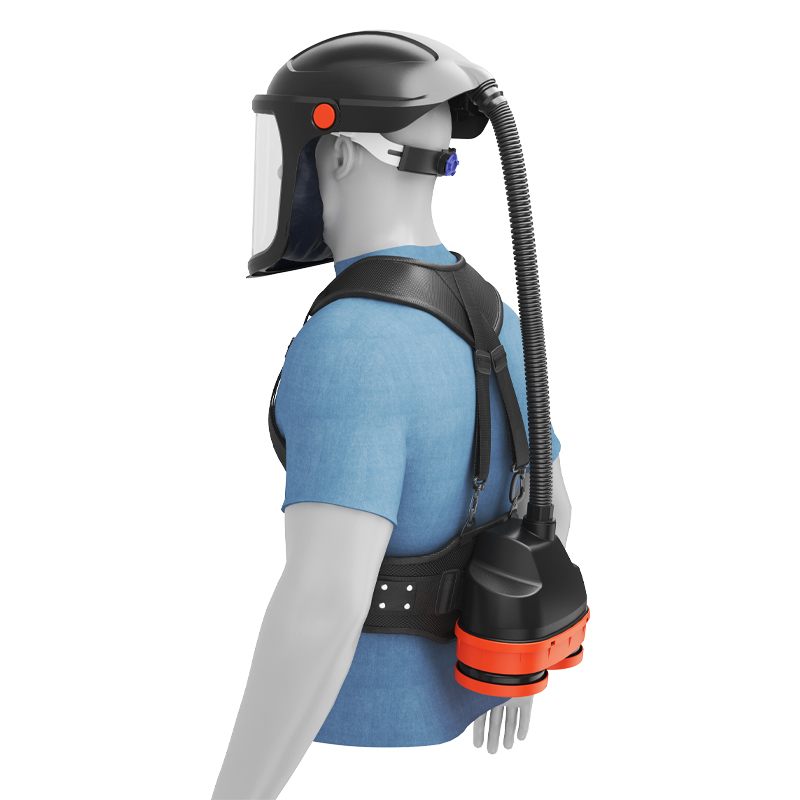
  • How to Choose the Right PAPR? A Buying Guide
    How to Choose the Right PAPR? A Buying Guide
    Nov 05, 2025
      In workplaces with respiratory hazards such as chemical engineering, mining, powered air-purifying respirators (PAPRs) are key equipment for safeguarding health. Compared with traditional masks, they offer more stable protection and greater wearing comfort. However, the market is flooded with a wide range of products, so mastering core selection methods is essential to find the right fit.   Clarifying the work scenario is the first step. For dust-prone environments like mines and construction sites, prioritize PAPRs equipped with N95 or higher-grade filter cotton. For scenarios involving hazardous gases such as chemical industry, it is necessary to match corresponding gas cartridges and ensure the protection range matches the type of pollutants. For special environments with humidity, high temperature or electrostatic risks, pay attention to the product's waterproof, high-temperature resistant and anti-static properties.   Core performance parameters are key considerations. Filtration efficiency must meet international standards ( US NIOSH, EU CE), ensuring no less than 95% filtration efficiency for target pollutants. For high-risk scenarios, 99.9% high-efficiency filters are recommended. For continuous operations over 8 hours, choose models with replaceable batteries or fast-charging function to avoid protection gaps caused by power outages.   Wearing comfort and adaptability directly affect user acceptance and compliance. For hooded PAPRs, the weight should preferably be controlled within 1.5 kg, while face-mask types are lighter and won't cause neck fatigue during long-term wear. Fit is also crucial—select styles with adjustable headbands and soft face seals to ensure a snug fit for different head shapes. Meanwhile, check the field of vision to avoid obstructing operational vision. Brand qualifications and after-sales service are essential guarantees. Avoid unqualified products from small manufacturers for low prices; prioritize brands with rich R&D experience in protective equipment and authoritative certifications (such as CE, national standard testing certificates). Confirm sufficient supply of consumables like filter cotton, and check if the brand provides on-site commissioning, staff training and fault repair services.   Additionally, ensure the product supports regular calibration, as papr respirator system performance degrades over time, and calibration maintains protection effectiveness.   Finally, it's important to note that there is no "one-size-fits-all" PAPR, only "suitable models". Before purchasing, investigate frontline needs and conduct trial wears if necessary. Establish a sound usage management system, including regular replacement of filters, battery maintenance and staff operation training, to ensure the PAPR truly exerts its protective effect.If you want know more, please click  www.newairsafety.com.
    Read More
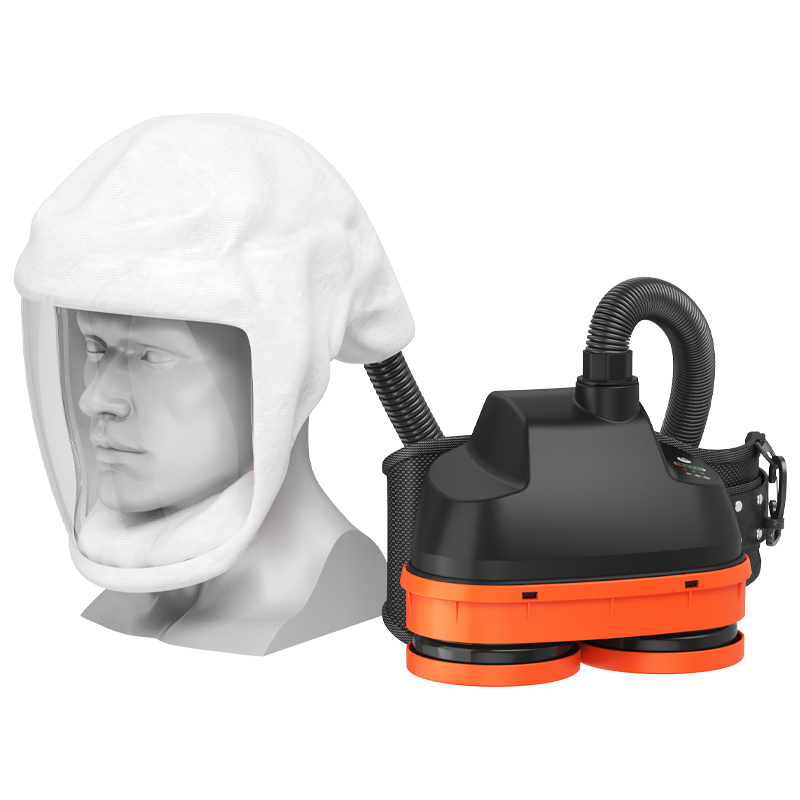
  • Practical Guide – PAPR Adaptation Tips for Four Welding Methods
    Practical Guide – PAPR Adaptation Tips for Four Welding Methods
    Oct 28, 2025
    For welders, choosing the right protective gear matters more than just "wearing gear." While PAPR offers high protection, it needs tailored adjustments for different welding scenarios. Mastering PAPR adaptation tips ensures effective protection.   For SMAW (frequent torch movement, spark splashes), papr system kit requires impact-resistant face shields (meeting industrial standards) to avoid spark damage. Use standard high-efficiency filter cartridges and clean dust from filters regularly to maintain air supply efficiency.   Plasma Arc Welding & Cutting emits intense UV/IR radiation alongside high-concentration fine fumes. PAPR’s face shield must have UV-protective coating. Select higher-efficiency filters and check fan strength to ensure sufficient clean air supply.   Carbon Arc Gouging (high intensity, splashes, thick fumes) demands durable, sealed PAPR face shields. Check face shield fit to prevent splash leakage. Shorten filter replacement cycles – inspect filters before work and replace them if breathing resistance increases.   Oxyfuel Welding & Cutting often occurs in narrow spaces with flammable gas risks. Choose explosion-proof PAPR models to avoid spark hazards. Use gas-specific canisters, and check canister validity (no moisture/expiry) before work.   Welding rhythms affect air papr usability: SMAW (long continuous work) needs backup batteries; carbon arc gouging (short intervals) requires quick-change filters. After work, clean PAPR (remove residual fumes) and inspect parts to extend service life.   PAPR adaptation hinges on "customization" – select filters by pollutant type, protective performance by environment, and configuration by work rhythm. Optimizing PAPR use ensures efficient, practical protection for welders.If you want know more, please click www.newairsafety.com.
    Read More
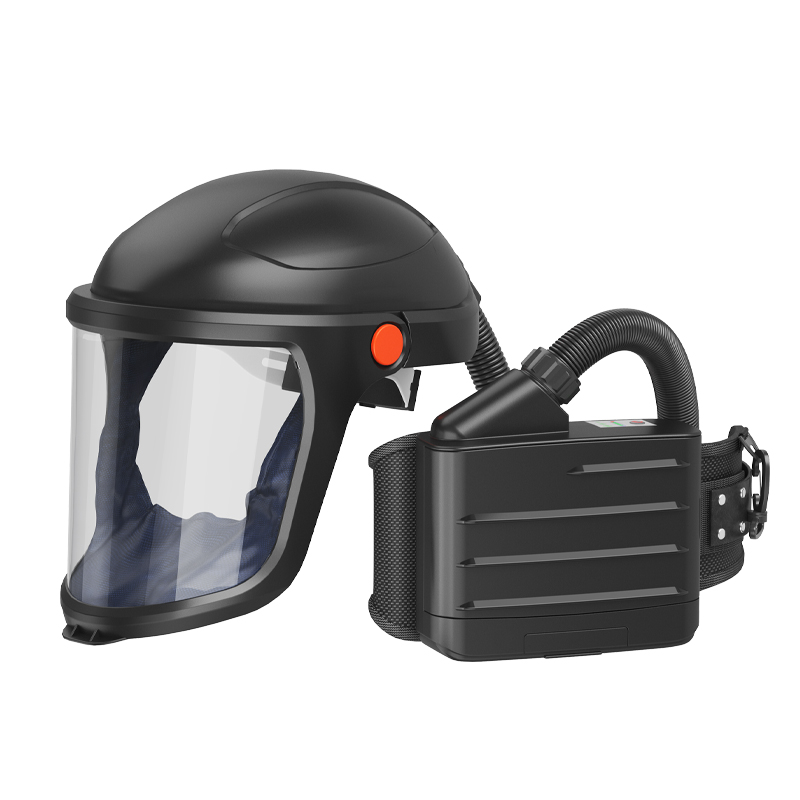
  • Welding Respiratory Protection: PAPR in 4 Welding Methods
    Welding Respiratory Protection: PAPR in 4 Welding Methods
    Oct 25, 2025
    In welding, fumes and toxic gases threaten workers’ respiratory health. As an efficient protective device, Powered Air Respirator System  act as a "breathing barrier" for various welding scenarios. Understanding how PAPR adapts to different welding methods is critical for safety.   Shielded Metal Arc Welding (SMAW) produces large amounts of metal fumes (e.g., iron oxide, manganese dioxide) that cause pneumoconiosis. Traditional masks have limited effect and high breathing resistance. Powered respirator uses a built-in fan to deliver filtered air, solving resistance issues and blocking over 95% of fine fumes with high-efficiency filter cartridges.   Plasma Arc Welding & Cutting generates high-concentration metal vapor and ozone due to extreme temperatures. PAPR offers "dual protection" with ozone-specific canisters and high-efficiency filters. Its wide-view face shield also meets the precision needs of plasma operations without hindering efficiency.   Carbon Arc Gouging releases carbon dust, iron oxide fumes, and toxic gases (CO, nitrogen oxides). PAPR uses composite filters to tackle both fumes and gases, while its sealed face shield prevents pollutant leakage, providing comprehensive protection.   Oxyfuel Welding & Cutting relies on combustible gases, producing toxic gases (CO, acetylene) that accumulate in poorly ventilated areas. Powered air supply respirator is equipped with organic vapor canisters to absorb harmful gases, and its positive-pressure system blocks external pollutants, even in enclosed spaces.   From SMAW to oxyfuel cutting, PAPR adapts to diverse pollutant characteristics via flexible filtering, active air supply, and sealed protection. Choosing the right PAPR safeguards workers’ health and boosts operational safety.If you want know more, please www.newairsafety.com.
    Read More
  • Advanced Welding Protection: MAG Welding & PAPR Maintenance
    Advanced Welding Protection: MAG Welding & PAPR Maintenance
    Oct 15, 2025
    In part 1, we covered TIG/MIG-PAPR matching. Now, let’s tackle MAG (Metal Active Gas Welding)—a heavy-duty process for steel bridges or construction equipment. It uses argon-CO₂ mixes, creating 3–5x more fumes than TIG, plus toxic CO and nitrogen oxides. We’ll also share universal PAPR rules to keep your protection reliable. MAG Welding: "Heavy-Duty Hazards" Need "Heavy-Duty PAPRs" MAG’s triple threats (high fumes, toxic gases, harsh environments) demand PAPRs with:   Combination filters: HEPA for dust + activated carbon for CO/NOₓ (critical for enclosed shops); Hooded facepieces: Cover shoulders to block wind-blown fumes (key for outdoor jobs like bridge work); Rugged design: Vibration-resistant fans (MAG welds vibrate heavily) and swappable batteries (for 8-hour outdoor shifts without power). Universal PAPR Selection: 3 Simple Steps Don’t pick by brand or price—follow this:   Hazard type: TIG (gas + light dust) → basic filters; MIG (heavy dust + spatter) → high-airflow/spatter-resistant; MAG (dust + toxins) → combo filters + hoods. Shift length: ≤2 hours → lightweight PAPRs; ≥4 hours → high-capacity filters/airflow. Environment: Indoor fixed stations → fixed PAPRs; outdoor/mobile → portable battery-powered models. PAPR Maintenance: Don’t Let Gear "Fail Silently" Papr system lose effectiveness if neglected—here’s what to do:   Replace filters: TIG (1–2 weeks), MIG (3–5 days), MAG (daily if dirty); swap carbon filters every month or if you smell fumes. Check airflow: Test weekly—TIG/MIG need ≥150 L/min, MAG ≥180 L/min. Clean fan intakes with compressed air if low. Care for facepieces: Wipe fog/oil after use; replace anti-fog films when scratched (fog blocks vision and safety).   From TIG to MAG, PAPRs work best when matched to hazards and maintained well. For welders, a powered air respirator  isn’t just gear—it’s your first line of defense for long-term health.If you want know more, you can click www.newairsafety.com.
    Read More
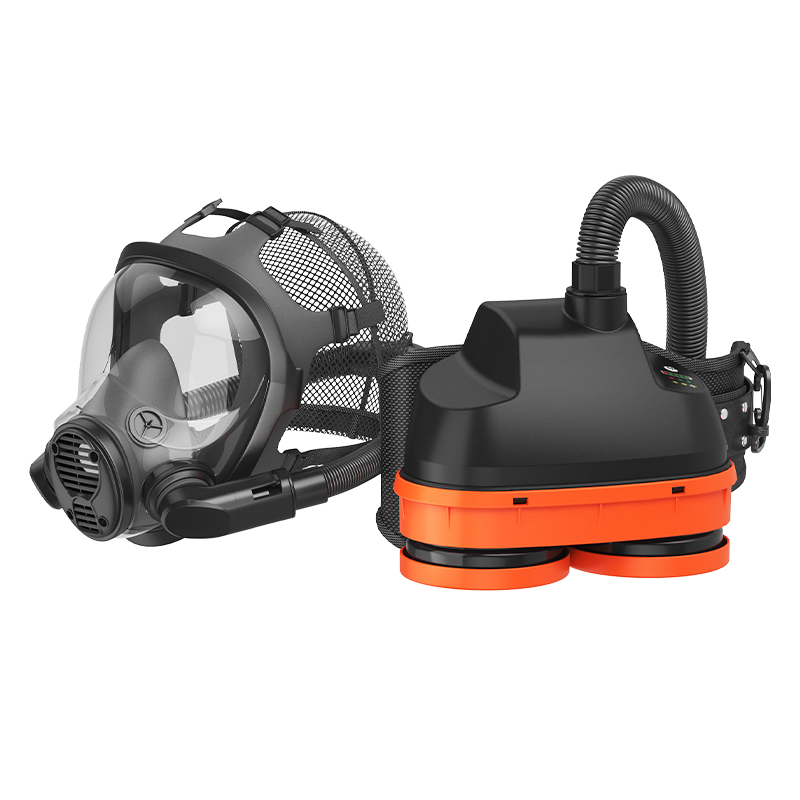
  • Welding Safety Basics: TIG, MIG, and How PAPRs Protect You
    Welding Safety Basics: TIG, MIG, and How PAPRs Protect You
    Oct 06, 2025
    Welding exposes workers to hidden risks—metal fumes, toxic gases (like ozone), and UV radiation— which can cause lung disease, metal fume fever, or even skin damage over time. Regular masks fall short; Powered Air-Purifying Respirators (PAPRs) are game-changers, thanks to their active air supply, high-efficiency filtration, and full-face protection. But papr for welding choice depends on the welding process—here’s how to match them to TIG and MIG. TIG Welding: Precision Needs "Targeted Protection" TIG (Tungsten Inert Gas Welding) is ideal for precise work (e.g., stainless steel pipes) but creates unique hazards: argon gas reacts with the arc to form ozone, and worn tungsten electrodes release lung-damaging tungsten dust. Since TIG welders work close to the arc, PAPRs must be lightweight and non-intrusive. Opt for head-mounted PAPRs (under 500g) with flip-up, anti-fog/anti-scratch face shields—they shield eyes from UV rays while delivering filtered air directly to the breathing zone. In enclosed spaces (e.g., pipe interiors), PAPRs also reduce local ozone buildup.   MIG Welding: Efficiency Needs "High-Capacity Protection" MIG (Metal Inert Gas Welding) is fast (used for car bodies or appliances) but generates 2–3x more metal fumes (iron oxide, manganese) than TIG. Continuous welding and hot spatter add more challenges. For MIG, choose PAPRs with:   High airflow (≥170 L/min) to prevent stuffiness during long shifts; HEPA 13 filters (traps 99.97% of 0.3μm fumes); Spatter-resistant face shields (silicone-coated to block molten droplets).   Fixed PAPRs (host mounted nearby, connected via hoses) work best for assembly lines—they cut weight on the welder and support 8-hour shifts without filter changes.Next up: MAG welding (the "toughest" process) and welding air respirator maintenance tips to keep your gear effective.If you want know more, please click www.newairsafety.com.
    Read More
  • What is PPE? Understand PAPR’s Key Role
    What is PPE? Understand PAPR’s Key Role
    Sep 29, 2025
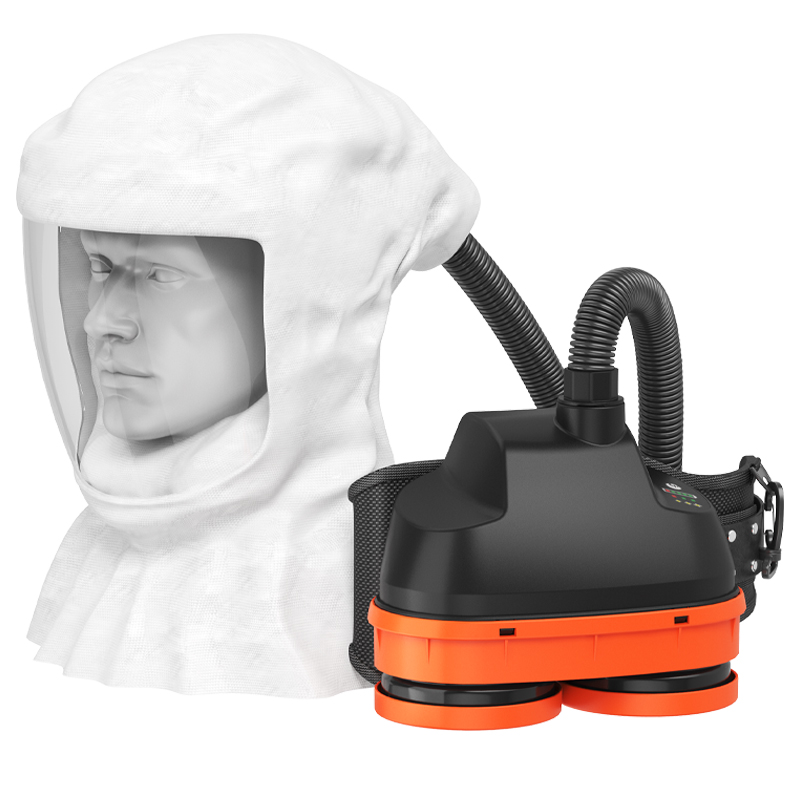
    PPE (Personal Protective Equipment) is the last line of defense for workers against workplace hazards. It refers to equipment worn to mitigate physical, chemical, biological, and other forms of harm, covering multi-part protection such as head protection (e.g., hard hats), eye protection (e.g., safety goggles), torso protection (e.g., protective clothing), and respiratory protection (e.g., face masks). Its core purpose is to "targeted hazard mitigation" rather than replacing safety management measures. ​ Among various types of PPE, respiratory protection equipment directly safeguards a critical aspect of life. Ordinary dust/mist masks rely on proper fit to function, but in high-risk scenarios, powered air respirator emerges as a more reliable option. Unlike traditional face masks, it is an active protection system composed of an "air supply unit, filter component, and face shield/hood" — the air supply unit generates positive-pressure airflow via a motor, which, after passing through the filter to remove hazardous substances, is continuously delivered into the face shield. This design not only prevents the intrusion of external contaminants but also reduces breathing resistance for the wearer.​ The core advantage of papr air purifier lies in its "dual benefits of high protection + comfort". Compared to ordinary face masks, it can filter higher concentrations of dust, toxic gases, or bioaerosols. Additionally, its positive-pressure design avoids reduced face shield fit caused by the wearer's inhalation. Meanwhile, the continuous airflow minimizes stuffiness, making it suitable for long-duration tasks (e.g., chemical maintenance, high-risk epidemic care). It is particularly ideal for individuals with facial hair who cannot wear ordinary face masks properly. ​ However, the use of air papr must comply with professional standards — a requirement common to all PPE management. Firstly, it is essential to select filter materials (e.g., organic vapor filter cartridges, particulate filter cotton) that match the workplace hazards. Secondly, regular checks of the air supply unit's battery level and filter life are necessary to prevent equipment failure. Before use, a "positive pressure test" should be conducted to ensure no leaks in the face shield — these steps align with the logic of impact testing for hard hats and pressure resistance checks for insulated shoes, all of which are critical to ensuring PPE effectiveness.​ Overall, PAPR is a typical representative of "specialized protection" in the PPE system. Its introduction fills the gap left by ordinary respiratory protection equipment in high-risk scenarios. Nevertheless, whether choosing PAPR or basic PPE, the core principle remains unchanged: first, identify hazards through risk assessment, then select appropriate protective equipment, and finally implement usage and maintenance procedures — only in this way can PPE truly serve as the "safety armor" for workers.If you want knon more, please click www.newairsafety.com.
    Read More
  • PAPR vs. N95 Masks: Key Differences & Selection Guide
    PAPR vs. N95 Masks: Key Differences & Selection Guide
    Sep 19, 2025
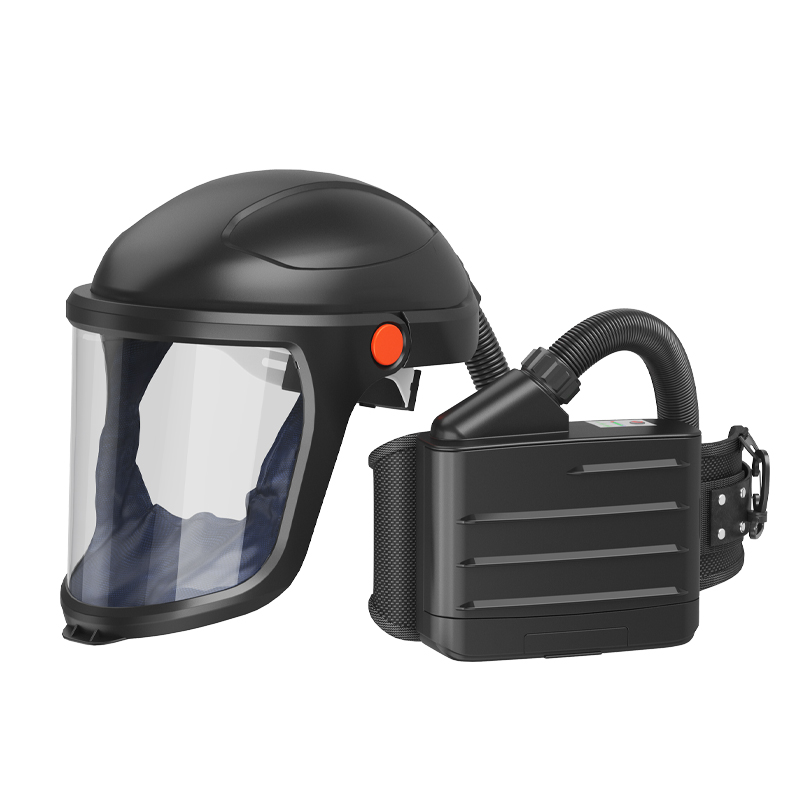
    PAPR (Powered Air-Purifying Respirator) and N95 masks are common respiratory protection tools, but their protection logic and use cases differ significantly. The key to choosing lies in "matching risk needs."   In terms of protection principle: N95 is "passive filtration"—it uses non-woven filters to trap ≥95% of non-oil-based particles, driven by the wearer’s inhalation (negative pressure). Its effectiveness depends entirely on a tight fit to the face—gaps render it useless. paprs, by contrast, is "active air-supply": a power unit delivers filtered air into the mask at positive pressure, no tight fit required, and prevents external contaminants from seeping in.   For performance and scenarios: N95 only blocks non-oil-based particles, suitable for low-to-moderate risks (e.g., everyday epidemic prevention, general dust work) and short wear times. papr respirators works with replaceable filters (for particles/toxic gases), offering higher protection. It fits high-risk scenarios (e.g., ICU care, chemical maintenance) or users with facial hair (who can’t get a tight N95 fit).   Comfort varies greatly: N95s require a tight fit, leading to labored breathing and facial marks during prolonged wear. PAPR’s active air-supply eliminates breathing resistance, reduces moisture/heat, and supports over 8 hours of continuous wear—ideal for long shifts.   Cost and management: N95s are mostly disposable—low per-unit cost but high long-term consumption costs, with simple management. PAPR has a high initial cost , but is reusable (only filters/batteries need replacement), lowering long-term costs. However, it needs regular maintenance and user training.   The core of selection: Choose N95 for low-to-moderate risks, short wear, and a tight facial fit. Choose PAPR for high risks, long wear, or poor facial fit. Always conduct a risk assessment first to ensure effective protection.If you want know more, please click www.newairsafety.com.
    Read More
  • Experience Laser Safety with ADF Laser Welding Helmet and PAPR
    Experience Laser Safety with  ADF Laser Welding Helmet and PAPR
    Sep 08, 2025
    When it comes to laser - related work, safety is always the top priority. Today, I want to share with you the NEW AIR laser protective helmet (automatic dimming version ADF) and the PAPR (Powered Air - Purifying Respirator) that works in tandem with it, which are excellent choices for ensuring safety in laser operations.   The ADF helmet is specifically designed for laser safety protection. Its main protection wavelength range is 950 - 1100nm, perfectly matching the 950 - 1100nm fiber laser commonly used in many laser applications. Made of PP and PC materials, it is not only durable but also provides reliable protection. The automatic dimming feature is a highlight. In the dark state, it can adjust to DIN4/5 - 8/9 - 13, and the PC absorbing laser window offers a light density of OD8+ for the 950 - 1100nm range, effectively shielding the eyes and face from harmful laser radiation during laser handheld welding.   Now, let's talk about PAPR. A PAPR is a powered air - purifying respirator that supplies filtered air to the wearer. When used together with the ADF helmet, it forms a comprehensive protection system. While the helmet protects the eyes and face from laser damage, the PAPR ensures that the respiratory system is safeguarded from any fumes, particles, or harmful gases that may be generated during laser operations. This combination is especially crucial in environments where there are potential respiratory hazards along with laser risks.   In summary, the ADF laser protective helmet, with its precise laser protection parameters, and the powered air purifying respirator helmet, which addresses respiratory safety, together create a safer working environment for those engaged in laser - related tasks. Whether you are a professional in laser manufacturing or research, this safety combination is definitely worth considering.If you want know more, please click www.newairsafety.com.
    Read More
1 2 3
A total of 3 pages

leave a message

leave a message
If you are interested in our products and want to know more details,please leave a message here,we will reply you as soon as we can.
submit
Contact Us: sales@txhyfh.com

home

products

WhatsApp

Contact us